Why you should know this
“Higher highs and higher lows” sounds simple until two people choose different swings. Market structure becomes useful only when the marking rule, timeframe and invalidation are explicit.
This foundation connects directly to trends, entries, stops, liquidity zones and later backtests. Advanced vocabulary cannot rescue inconsistent swing selection.
The four swing labels
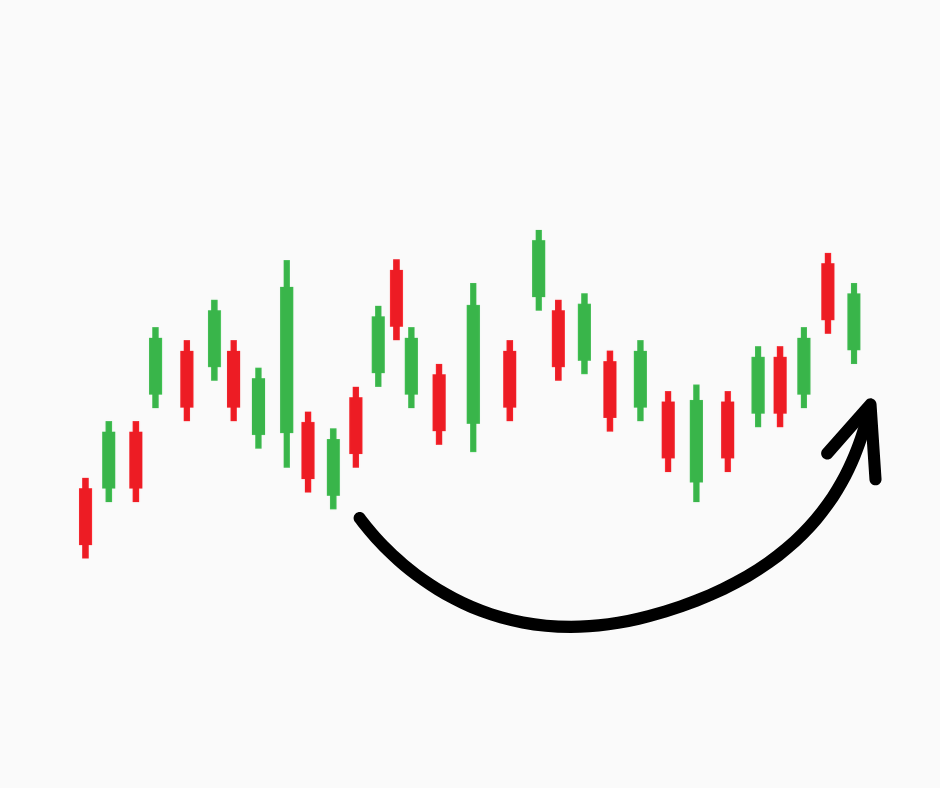
Relative to prior meaningful swings:
- HH — higher high: high above the previous defined swing high.
- HL — higher low: low above the previous defined swing low.
- LH — lower high: high below the previous defined swing high.
- LL — lower low: low below the previous defined swing low.
An uptrend often displays HH and HL. A downtrend often displays LH and LL. A range or transition can mix them.
Define a swing before finding one

Possible rules include:
- a pivot high with a fixed number of lower highs on each side;
- a reversal greater than a chosen percentage;
- a move greater than a multiple of recent volatility;
- a visible structural turn on a defined higher timeframe.
Every method trades speed for noise. A five-bar pivot confirms late because future bars are needed. A sensitive percentage rule marks more swings. Choose according to purpose and keep it fixed for the test.
External and internal structure

Analysts may distinguish major “external” swings from smaller “internal” movements. This can help explain a daily pullback within a weekly uptrend.
But the terms are not universal. State the timeframe and rule rather than assuming readers share a proprietary definition.
Continuation, damage and transition
Suppose an uptrend has a defined higher low at ₱100:
- price remains above and makes a new HH: continuation evidence;
- price wicks below but closes back above: possible damage under some rules, noise under others;
- price closes below and later forms a lower high: stronger transition evidence;
- price immediately recovers and makes a new HH: the break may have failed.
One break can matter, but a complete opposite trend requires opposite structure. Write separately: “uptrend damaged” and “downtrend confirmed.”
Break of structure and change of character

Online communities use terms such as BOS and CHoCH differently. One analyst may call any swing break BOS; another reserves it for trend continuation. “Change of character” may mean the first counter-trend break.
Avoid jargon disputes by defining the event mathematically or visually. Example: “A daily close below the last confirmed HL, followed by an LH.” The observation matters more than the acronym.
Close, wick and acceptance rules
Decide whether a break requires:
- intraperiod trade beyond the swing;
- candle close beyond it;
- percentage or volatility buffer;
- a second close or retest;
- volume/liquidity confirmation.
Stricter rules reduce some false changes but react later. There is no free certainty.
Multi-timeframe hierarchy
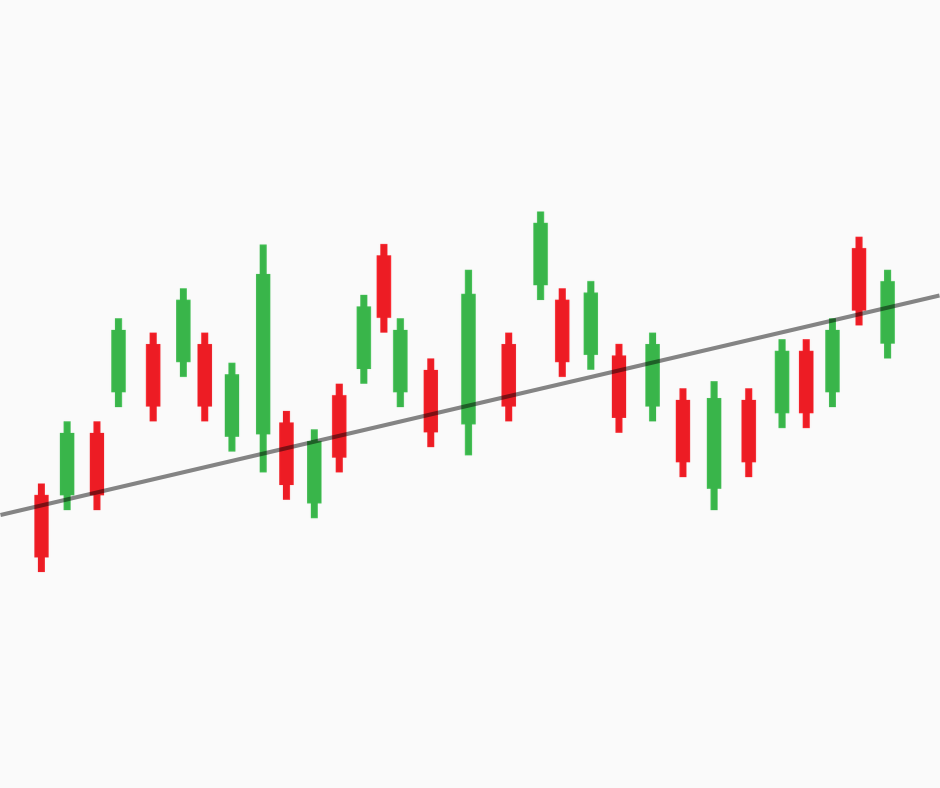
The weekly market can remain in an uptrend while the one-hour chart forms a downtrend. Label each independently and state which owns the decision.
A useful hierarchy:
- context structure;
- decision structure;
- execution structure.
Do not let a tiny execution swing redefine the long-term thesis unless the plan says it can.
Philippine pair context
BTC/USD and BTC/PHP structure can differ due to FX and local liquidity. If the plan settles in PHP, review the actual local pair and route. Avoid calling the market globally broken based on one thin venue wick.
Common mistakes
- Choosing swings by eye after the move.
- Mixing major and minor swings without labels.
- Calling the first counter-trend break a confirmed opposite trend.
- Moving the defining swing after invalidation.
- Treating BOS or CHoCH as universal definitions.
- Ignoring close/wick rules and volatility.
- Applying one venue’s wick to the entire market.
A no-money swing lab
Freeze 100 historical candles. Define a pivot rule before marking. Label each confirmed swing and the current state. State:
- defining high and low;
- continuation condition;
- damage condition;
- opposite-trend confirmation;
- confidence and alternative.
Reveal 20 more candles without changing the labels. Review lag and false changes.
How this connects to market mastery
Market structure converts a visual chart into testable conditions. It provides the skeleton for entries, exits, breakouts and liquidity analysis. Mastery is not naming every wiggle; it is knowing which swing matters to the decision and admitting when structure is transitioning.
Key takeaways
- Swing labels are relative and rule-dependent.
- Uptrend damage is not automatically a downtrend.
- Break rules must specify wick, close and buffer.
- Jargon should never replace an observable definition.
- Timeframes and pairs can carry different structures.
Completion check: Annotate frozen history using one swing rule and name exactly what changes the current label.