
A setup can be interesting without being tradable
A trader may have a strong opinion about direction but still lack a valid trade. The market may be too illiquid, the invalidation may be unclear, portfolio exposure may already be concentrated, or a major event may make normal risk estimates unreliable.
No-trade conditions prevent those problems from being negotiated away because of excitement.
Five reasons to refuse new exposure

Analytical: the thesis cannot be stated clearly or there is no meaningful invalidation.
Execution: spread, depth or volatility makes the expected fill too uncertain for the risk budget.
Portfolio: the new idea repeats exposure already held elsewhere.
Operational: the venue, network, custody route or data source is unreliable or not understood.
Personal: fatigue, anger, urgency, intoxication or recovery-chasing makes rule-following doubtful.
The categories matter because they point to different remedies. Poor liquidity may improve later. An unclear thesis requires more analysis. Impaired judgment requires distance from the market, not a tighter stop.
A no-trade decision needs an observable trigger
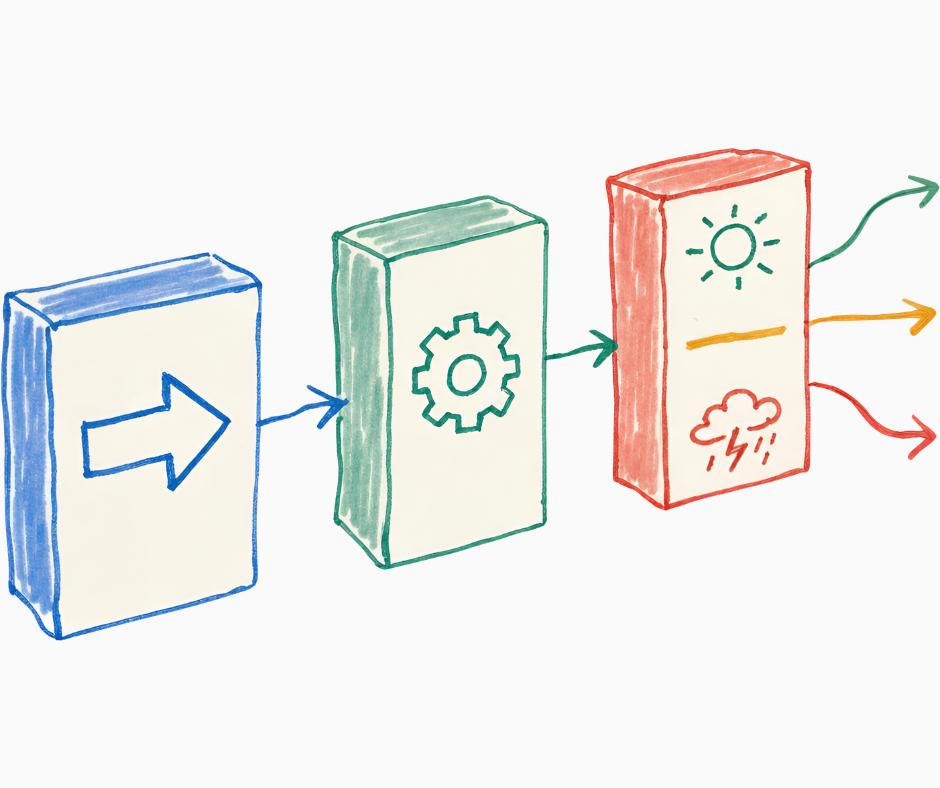
“Trade only when conditions are good” is too vague. Better rules specify what must be present: a defined thesis, invalidation, acceptable spread, executable depth, available risk budget and normal personal state.
If one required condition is missing, the decision can simply be “not yet.”
No-money practice
Review ten historical or fictional setups and force yourself to reject at least some of them for a named reason. The exercise trains the ability to preserve capital by doing nothing.


