Why you should know this
It is easy to agree with a sentence such as “protect your capital.” The difficult part is turning that idea into a decision when a market is moving quickly and your emotions are involved.
A useful risk worksheet removes some of that negotiation. It records which money cannot be touched, what loss is planned, what could make the real loss worse, and what event requires a pause. The worksheet will not predict the market. Its purpose is to stop you from inventing new rules halfway through a stressful situation.
Build the capital map first

Use a fictional example. Assume a person has PHP 100,000 in total savings, but only PHP 20,000 is genuinely available for trading after essential and near-term needs are separated.
| Field | Fictional entry | What the field controls |
|---|---|---|
| Total savings | PHP 100,000 | Context only; not the trading base |
| Essential/emergency money | PHP 70,000 | Must not be exposed |
| Near-term obligations | PHP 10,000 | Must not be exposed |
| Trading capital | PHP 20,000 | The account on which trading risk is calculated |
This step matters because a percentage applied to the wrong base creates a false sense of discipline. “Two percent risk” means something very different if it is calculated on true risk capital rather than on all available household money.
Add the first risk boundary
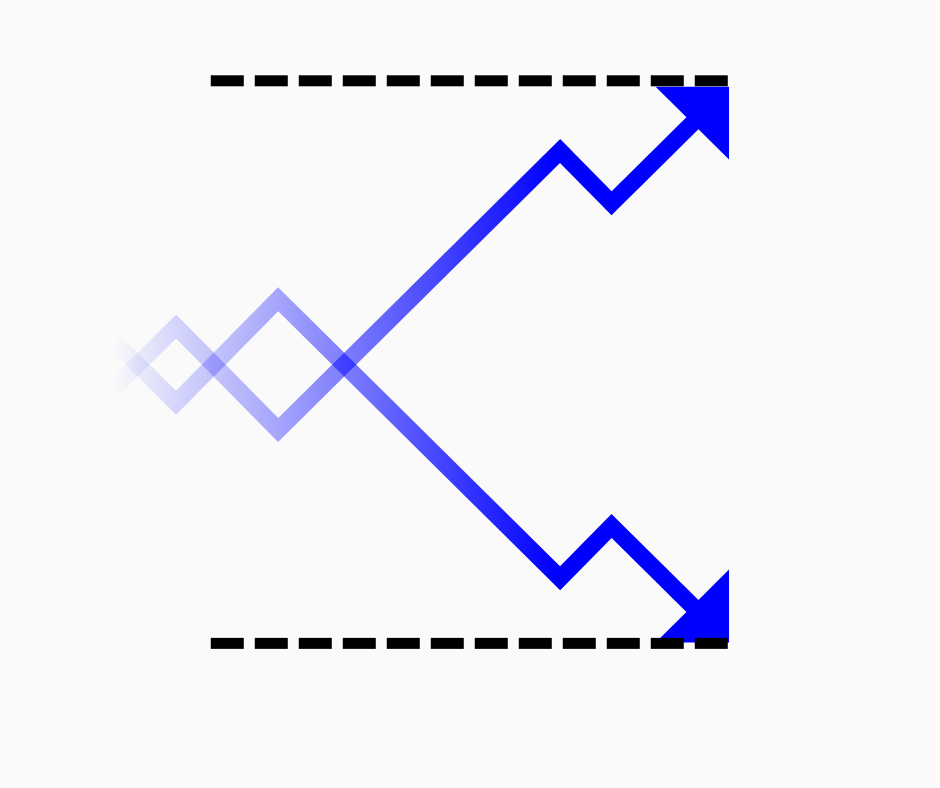
Suppose the fictional trader decides that one planned loss should be PHP 400. At this stage we are not yet deciding the exact position size; that comes in later lessons. We are simply defining the normal-loss budget.
Planned risk = PHP 400
Against a PHP 20,000 trading account, that is:
PHP 400 ÷ PHP 20,000 = 2%
Again, the number is an example, not a universal recommendation. The teaching point is that the loss boundary is written before the trade exists.
Now add a daily circuit breaker. Suppose the fictional worksheet says activity pauses once total realised losses for the day reach PHP 800. Two ordinary PHP 400 losses could therefore trigger the pause, but one stressed loss might reach it faster.
Stress-test the neat number
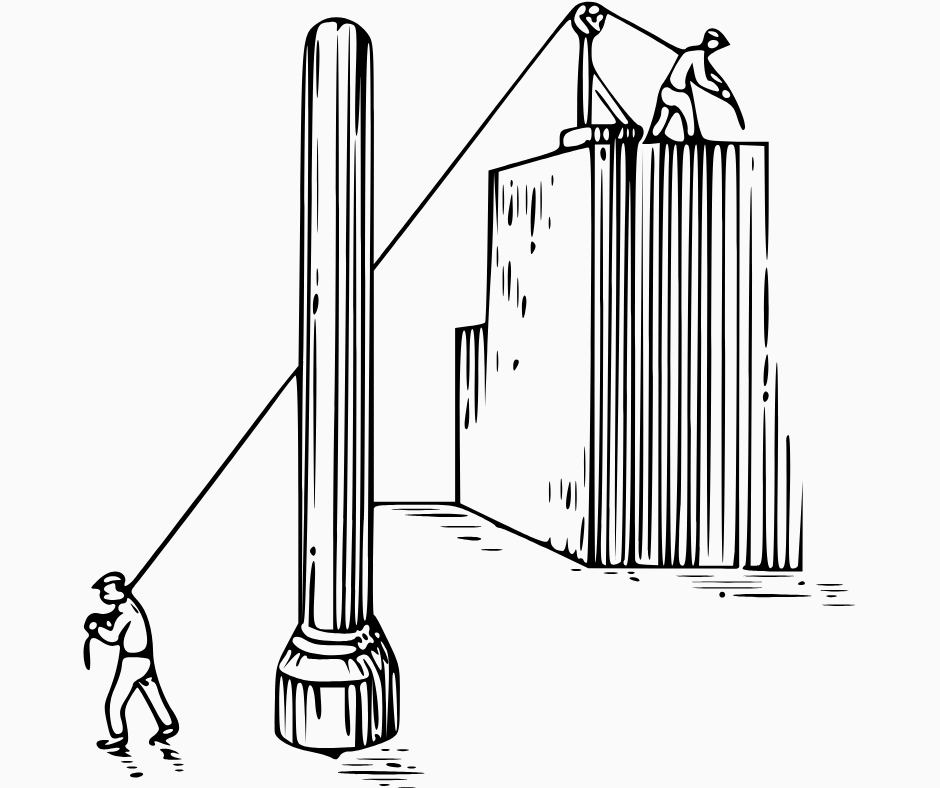
A worksheet becomes more realistic when it includes the possibility that execution is imperfect.
Imagine the trader plans to lose PHP 400 if the market reaches the invalidation level. In a normal case, the order fills near that level and the account falls from PHP 20,000 to about PHP 19,600 before other costs.
Now imagine a fast market. The price moves through the intended exit level, the spread widens and the position closes with a realised loss of PHP 520.
The important lesson is not “the stop failed.” The more accurate conclusion is that the PHP 400 figure depended on assumptions about execution. Once the realised loss is PHP 520, the worksheet should use PHP 520 when checking the daily loss limit. Pretending the loss was still “supposed to be PHP 400” would hide the information the control system needs.
Write the hidden assumptions next to the number

A risk card is incomplete when it shows only amounts. Beside the planned loss, write what must be true for the number to remain reasonable.
For this fictional case, the assumptions might include:
- the market remains liquid enough to exit near the planned level;
- the trading venue remains available;
- the position is not using leverage that changes the liquidation path;
- no second highly correlated position creates the same exposure twice;
- fees, spread and conversion costs remain small enough not to dominate the loss estimate;
- the trader is able to follow the plan rather than moving the exit because the loss feels uncomfortable.
You do not need perfect certainty about each assumption. You do need to know which assumptions matter.
Turn concern into a pause rule
A vague warning such as “be careful during volatility” is not very useful. A control needs a decision attached to it.
For example:
| Warning condition | Pre-written response |
|---|---|
| Planned loss cannot be calculated | Do not open the position |
| Spread/depth changes materially before entry | Recalculate size or do not trade |
| Trading venue has an unexplained access problem | Pause new exposure |
| Daily loss limit is reached | Stop new trading for the defined review period |
| Judgment is impaired by fatigue, anger or urgency | Pause rather than negotiate the rule |
The exact rules will differ between people and strategies. What matters is that the response is written before the warning condition happens.
Complete the no-money survival check
Create your own fictional risk card with the following fields:
- trading capital;
- money that is explicitly off-limits;
- planned loss on one idea;
- daily loss limit;
- one liquidity assumption;
- one platform/custody assumption;
- one personal-behaviour assumption;
- one normal-loss scenario;
- one stress-loss scenario;
- one pause condition.
Then ask a simple question: if someone else received this sheet without speaking to you, could that person tell what may be lost, what must remain protected, and when the plan says to stop?
If the answer is no, the worksheet is still too vague.
What this worksheet cannot do
The worksheet cannot guarantee that a stop executes at the expected price, that a venue stays available, that an asset remains liquid or that a trader follows the plan perfectly. It also cannot determine a suitable personal risk amount without knowing the person’s full financial situation.
Its value is different: it gives later calculations a disciplined starting point. In the next family, we will take the idea of an affordable planned loss and examine risk per trade more carefully, including why one universal percentage is not appropriate for every trader or strategy.