Diversification is about different risk drivers, not different labels
Imagine a PHP 100,000 portfolio holding five crypto assets at PHP 20,000 each. By asset count, the portfolio looks diversified. But suppose all five are highly sensitive to the same broad crypto market direction and are traded through the same exchange using the same stablecoin pair.
A broad selloff, stablecoin problem or venue outage could affect most of the portfolio at once. The investor has five tickers but fewer independent risk factors than the list suggests.
Correlation is useful, but it is not stable
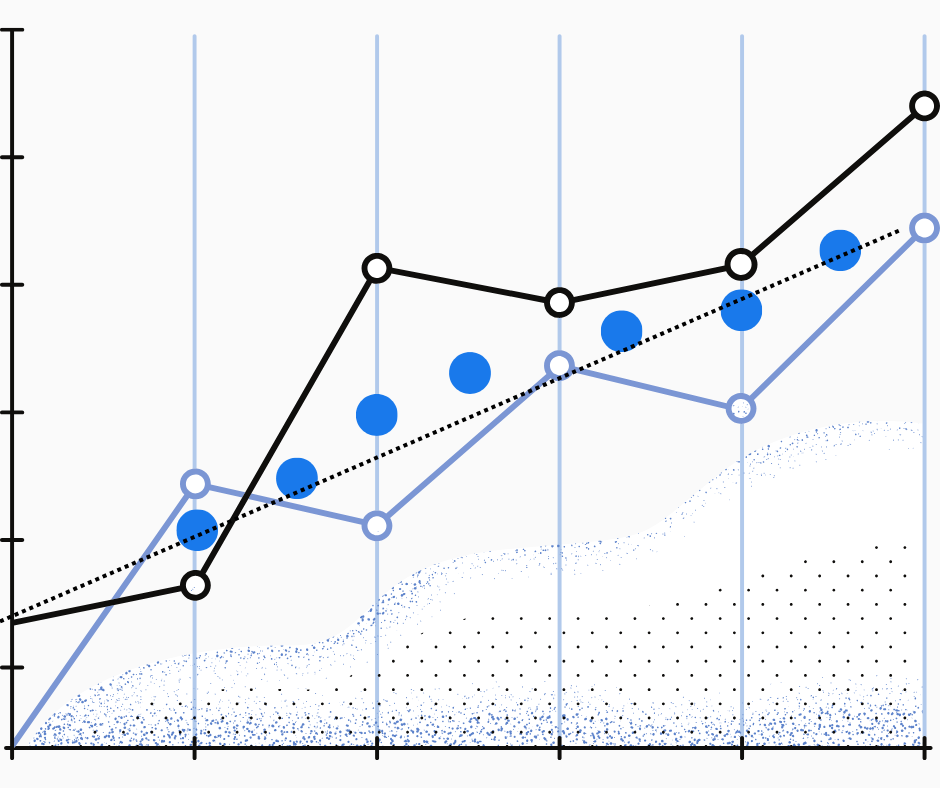
Correlation measures how returns have moved together over a chosen historical window. A value near +1 suggests strong same-direction movement; near 0 suggests little linear relationship; near -1 suggests opposite movement. But the result depends on the time window and can change during stress.
Two assets that looked only moderately related in quiet markets may both fall sharply during a liquidity shock. Therefore historical correlation is evidence, not a guarantee of diversification.
Look through the portfolio by factor
Instead of only listing assets, add columns for common drivers:
- broad crypto beta;
- same ecosystem or sector;
- same stablecoin dependency;
- same exchange/custodian;
- same jurisdiction or banking route;
- same liquidity source.
A portfolio with three unrelated narratives can still have one shared exchange dependency.
A simple concentration stress
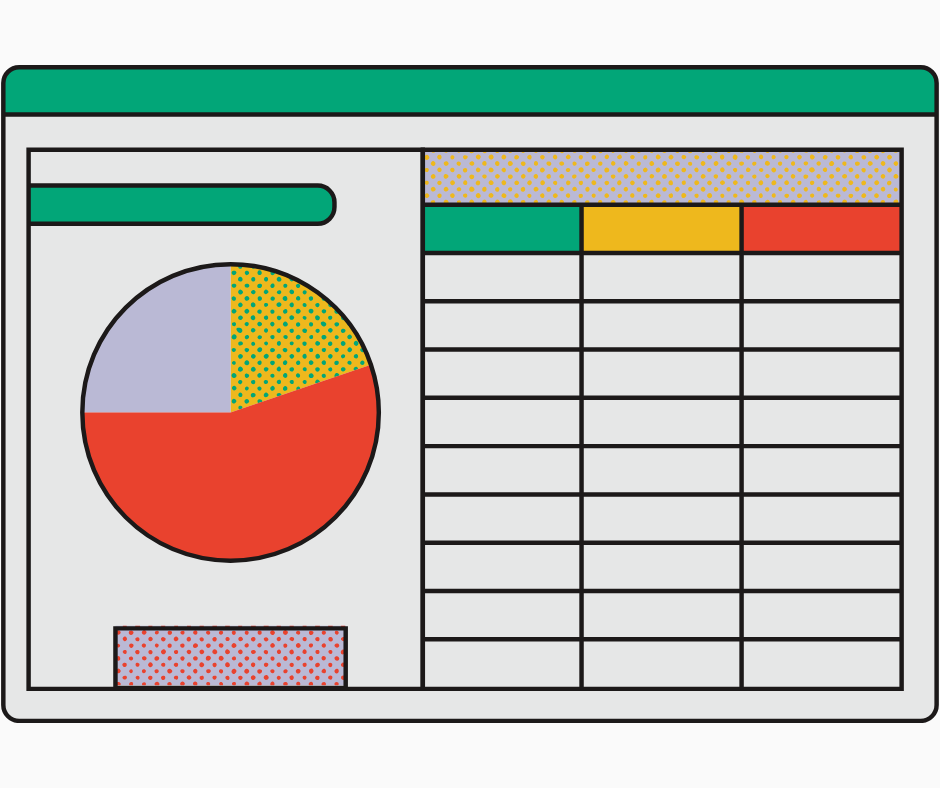
Suppose PHP 60,000 of a PHP 100,000 portfolio is in assets that could all fall 20% during the same market shock. The direct loss on that cluster would be:
PHP 60,000 × 20% = PHP 12,000
That is a 12% portfolio loss before considering the remaining positions. The useful insight comes from the cluster, not from the number of individual coins.
No-money practice
Create a fictional six-asset portfolio and assign each asset two risk-factor tags. Group the portfolio by shared factor and calculate how much capital depends on each one. Then stress the largest cluster with a 20% decline.