
Build the buckets before adding market risk

Create rows for emergency reserve, next-three-month obligations, discretionary savings and trading capital. Give each a fictional peso amount and an explicit purpose.
Then apply two stresses at the same time: a 40% decline in trading assets and a PHP 50,000 unexpected household expense.
Check for forced-sale risk
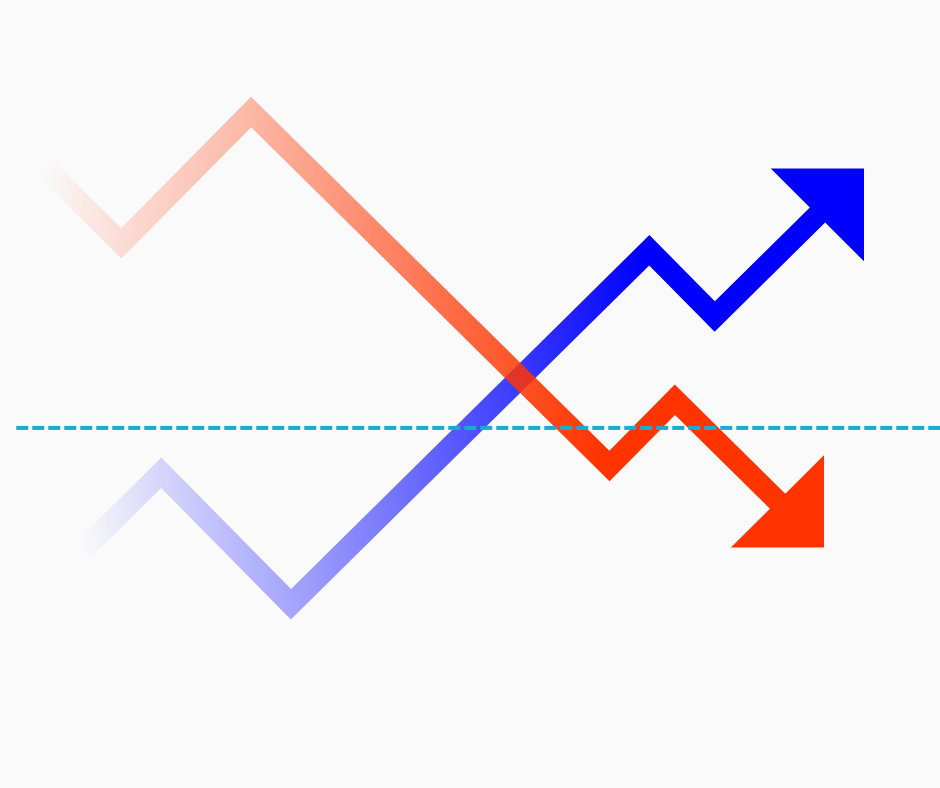
If the emergency reserve covers the expense without touching trading assets, the capital structure passes that particular stress. If the household must sell the trading position to pay the expense, record the amount that must be liquidated and the market loss crystallized at that moment.
Add a replenishment rule
If emergency savings are used, the worksheet should state whether new trading contributions pause until the reserve is restored. This prevents the boundary from disappearing gradually after an emergency.


