Record each result in R before looking at pesos
Define 1R as the planned risk amount for that trade. If one trade planned to risk PHP 500 and lost PHP 550 after slippage, the realised result is -1.10R.
If another trade planned to risk PHP 400 and earned PHP 600, the realised result is +1.50R.
Using R makes trades with different peso risk budgets comparable, provided each trade’s 1R is recorded honestly before entry.
Build a ten-trade fictional sample
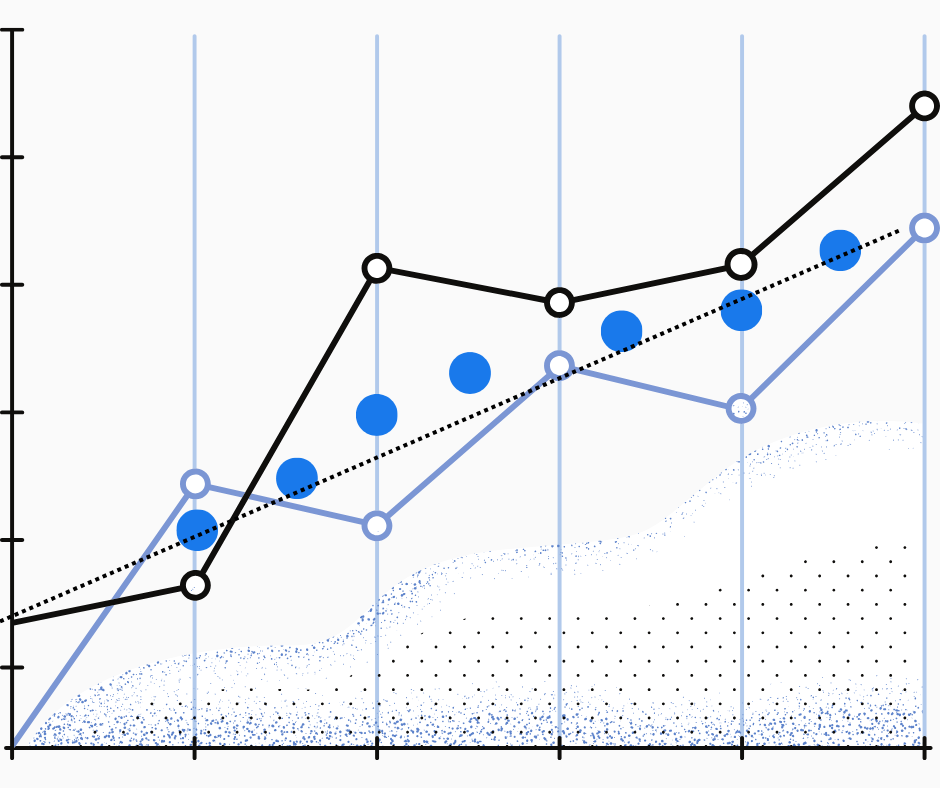
Create columns for planned reward, planned risk, realised result and reason for the difference. A sample might reveal that the trader regularly plans for +2R but exits winners near +1R while allowing some losses to become -1.2R.
Now calculate:
- average realised win in R;
- average realised loss in R;
- win rate;
- simplified expectancy.
For example, if win rate is 45%, average win is +1.1R and average loss is -1.05R:
0.45 × 1.1 - 0.55 × 1.05 = -0.0825R
The strategy is negative in this simplified sample even though many setups may have been advertised as “2:1.”
Diagnose why planned and realised R differ

Do not treat every difference as a mistake. A trader may exit early because the thesis changed. A stop may fill worse because of a gap. The important part is to classify the reason.
Useful categories include:
- planned discretion;
- fear-driven early exit;
- slippage or gap;
- stop moved wider;
- target unrealistic for volatility;
- partial exits;
- costs or funding.
When one category repeats, the worksheet has found something the pre-trade ratio was hiding.
Completion check
Build a fictional ten-trade table and calculate realised expectancy. Then change one assumption—average win, average loss or win rate—and see how the result changes.
If the worksheet shows that actual execution no longer resembles the planned payoff structure, the correct response is to review the process, not to keep quoting the original ratio.