Why you should know this
Prices do not move because a chart decided to move. People, firms, protocols and infrastructure act for different reasons. Learning to separate who may be acting, what they may want, and what evidence we can actually observe helps us avoid turning a plausible story into a fact.
Every executed trade has an opposite side
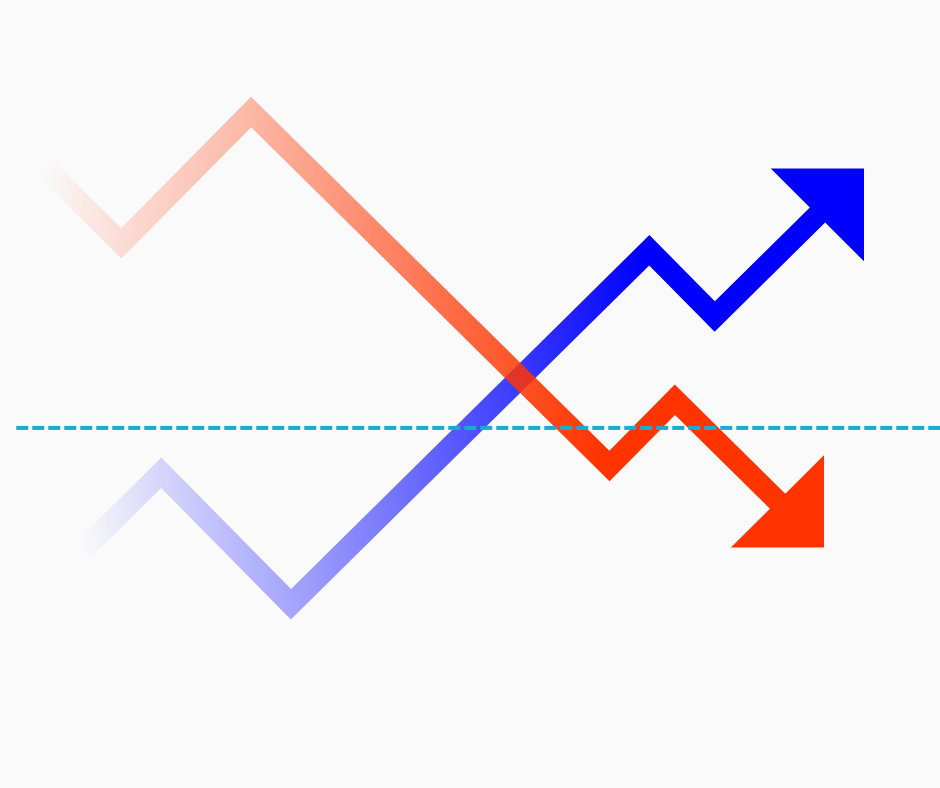
If you buy, someone or some liquidity mechanism sells. If you sell, someone buys. The opposite side may be a long-term investor, market maker, arbitrageur, hedger, liquidated trader or algorithm.
You rarely know the exact identity, but thinking about possible motives improves trade quality.
Counterparty thinking challenges your thesis
Instead of asking only “Why am I right?”, ask “Why might a rational participant take the other side?” They may have a different time horizon, cost basis, information set, hedge or liquidity need.
Execution is part of the answer
The other side may not disagree with your long-term view at all. A market maker can sell to you while remaining neutral after hedging. A fund can sell because of a mandate even while management remains bullish.
Position direction alone does not reveal belief.
Practice check — no money needed

Build a participant map with four columns: role, likely incentive, observable evidence, and one alternative explanation. No money or live trading is needed.
The goal is not to identify a hidden actor with certainty. If you can explain the mechanism, name the main limitation and state what evidence would strengthen or weaken your explanation, the lesson has done its job.
How this connects to market mastery
Participant analysis sits between market mechanics and market interpretation. The same habit later supports execution analysis, liquidity assessment, risk control and scenario building: identify the actor, identify the constraint, then test the story against evidence.