Why you should know this
“A whale moved coins” is one of crypto media’s favorite alarms. Sometimes the movement matters. Sometimes it is custody maintenance. The alert itself can move sentiment even when the coins never reach an order book.
Whale analysis becomes useful when we compare position size with liquidity, identify the venue and separate what the network proves from what people imagine.
The survival lesson is simple: do not trade an alert before understanding its uncertainty.
What is a crypto whale?

A whale is an informal market label for a person or entity holding or controlling enough of an asset to influence price, liquidity, governance or sentiment.
There is no universal threshold. One thousand units may be irrelevant in a deep market and overwhelming in a small token. The better measure is position or order size relative to:
- circulating and liquid supply;
- normal trading volume;
- order-book depth;
- market capitalization and free float;
- governance participation;
- borrow and derivatives markets.
Always define the threshold used in a report.
Who can appear to be a whale?
Large addresses may belong to:
- an early holder or founder;
- a venture fund or institution;
- a project treasury or foundation;
- an exchange or custodian holding customer assets;
- a bridge, smart contract or staking pool;
- a market maker or OTC desk;
- many users combined through one service.
A wallet label is an analytical claim, not a fact merely because it appears on a dashboard.
Channel 1: consuming order-book liquidity
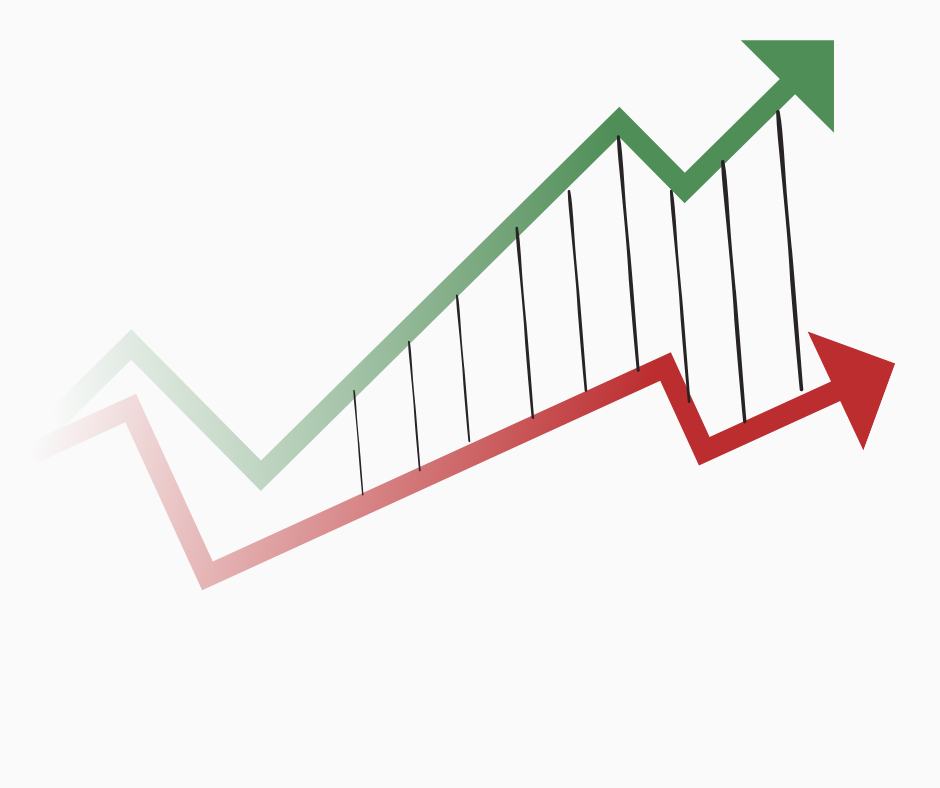
If a large market sell order is bigger than bids near the current price, it executes through multiple price levels. The average sale price falls below the first displayed bid. This is slippage.
Likewise, a large market buy can lift several ask levels. The impact is greater in thin markets and during stress. A skilled large trader may split execution or use algorithms and OTC arrangements to reduce visible impact.
The order that everyone sees may be only part of the position.
Channel 2: changing expectations

A transfer from a long-dormant address to an exchange can cause other traders to sell in anticipation. A withdrawal from a venue can encourage a scarcity story.
The expectation can move price before the whale places any order. If the interpretation is wrong, the move may reverse. This is why “wallet alert” and “confirmed sale” must not be treated as synonyms.
Channel 3: collateral and liquidation
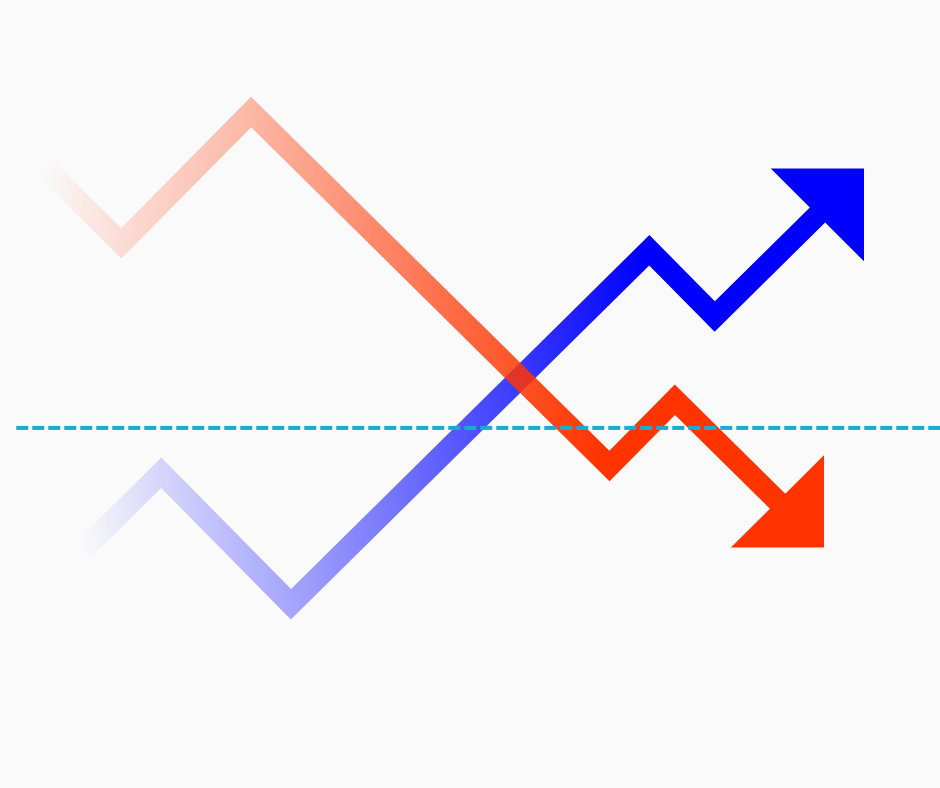
Large holders may borrow against assets or use derivatives. A price decline can create margin calls or liquidation. Forced selling may consume liquidity and trigger further liquidations.
The public blockchain may show collateral movement without revealing every off-chain loan or hedge. Analysts should avoid claiming a liquidation cascade from a transfer alone.
Channel 4: governance influence

In token-voting systems, concentrated holdings can influence proposals, delegates, treasury spending or protocol changes. Voting power may be borrowed, delegated or separated from economic ownership.
Check quorum, delegation, timelock, multisignature control and whether votes are binding. A large balance that never votes may have less practical governance influence than a smaller organized bloc.
Channel 5: signaling and narrative

Known founders or funds can affect confidence by disclosing a purchase, sale or commitment. Their reputation can attract followers.
Disclosure quality matters. Ask whether the position, compensation, lockup and conflicts are clear. A public statement can be truthful while presenting only one part of a portfolio.
Why large traders often avoid public order books
An OTC desk can negotiate a block away from visible depth. A time-weighted or volume-weighted execution algorithm can split an order. A market maker can hedge across venues or derivatives.
These methods do not make market impact vanish. They distribute it across time, instruments and counterparties. Settlement, credit and information leakage remain risks.
Whale tracking: what is actually observable?

A public network can show an address, amount, timestamp, transaction and destination address. With additional evidence, an analyst may label a service or contract.
It normally cannot prove:
- the legal person controlling the address;
- beneficial ownership behind a custodian;
- the purpose of the transfer;
- whether an exchange deposit was sold;
- the holder’s complete off-chain position;
- whether a transfer was internal;
- the next action.
Good reporting states the observation first and interpretation second.
A fictional whale alert

An address inactive for five years sends 5,000 Token X to an address labeled “Exchange Z.” Token X usually trades 20,000 units per day.
Facts: the address moved 5,000 units; the destination has an exchange label under a stated method; the amount equals 25% of recent reported daily volume.
Possible explanations: intended sale, collateral deposit, custody migration, account restructuring or service mislabeling.
Missing evidence: beneficial owner, actual order, venue depth, derivatives hedge and whether the exchange credited a customer.
The transfer deserves attention, but “whale will dump” is not established.
Whale behavior is not automatically manipulation
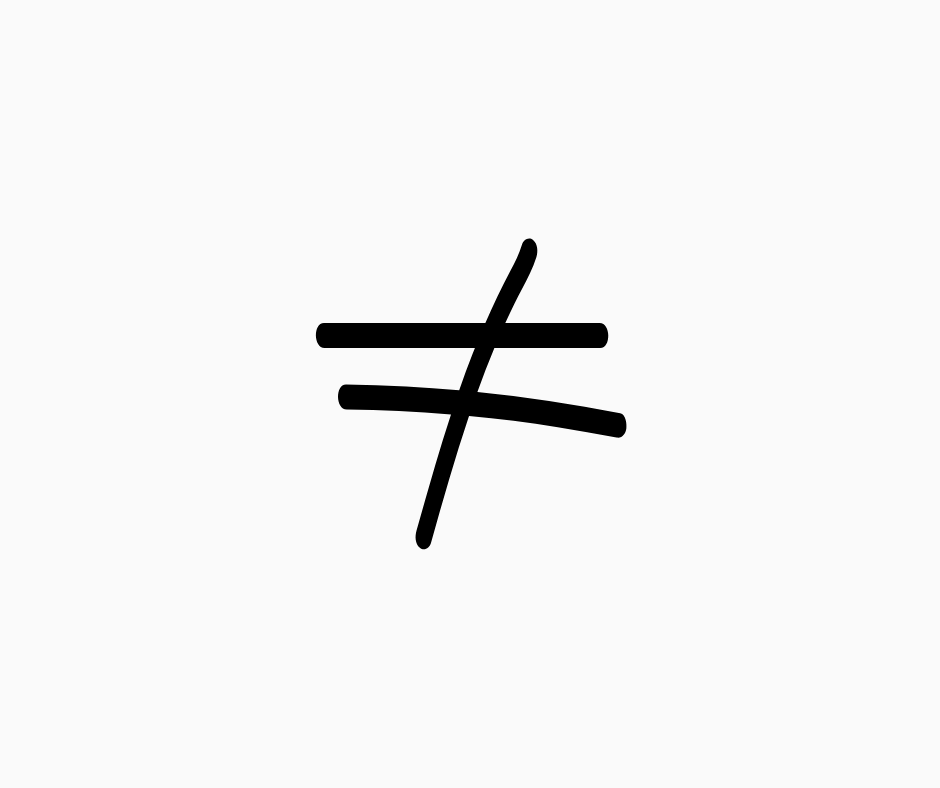
A large holder may lawfully buy or sell. Market impact is not the same as market manipulation. Manipulation involves conduct and legal standards that depend on facts and jurisdiction.
Do not accuse an identified person or entity from size alone. Coordinated deception, wash activity or undisclosed promotion requires authoritative evidence and legal/editorial review.
IOSCO recommendations emphasize market-abuse controls in crypto markets, while CFTC advisories warn consumers about pump-and-dump schemes. Those sources support caution, not internet prosecution by rumor.
How small traders can survive whale uncertainty
- Avoid chasing a candle created by a sudden alert.
- Check order-book depth and spread before entering.
- Use affordable position size.
- Define an exit that remains executable under stress.
- Separate verified network data from social commentary.
- Consider multiple explanations.
- Never borrow or risk essential money because a whale allegedly bought.
The goal is not to outguess the largest holder. It is to remain safe when our guess is wrong.
Philippine and Asian perspective

Liquidity can differ across PHP, JPY, stablecoin and global pairs. A position that is small on a global dollar venue may be large on a local market. Conversion, banking access and Withdrawal limits can slow arbitrage and exit.
Check the specific venue and lawful provider route. A global whale alert does not show what Philippine users can execute after fees and local liquidity.
A no-money depth exercise
Create a fictional order book with five bid levels. Apply sell orders equal to 1%, 10% and 50% of displayed depth. Calculate average execution and remaining liquidity.
Then add a second participant who withdraws bids after seeing the first sale. This demonstrates why impact depends on other participants’ reactions, not only the original order.
Relative size changes across venues

A 1,000-unit order may be absorbed easily on one venue and move another venue several percent. Aggregated global volume can hide this fragmentation. Compare the intended order with executable depth on the exact pair and venue, then consider whether arbitrage capital can move quickly enough to connect prices.
During stress, correlations between venues can weaken because Withdrawals pause, stablecoin risk rises or market makers reach limits. A whale’s impact is therefore a route-specific event, not one percentage of global market capitalization.
Beware the whale-story feedback loop
An alert account labels a transfer. Traders repeat the label, media report the reaction, and the resulting price move appears to validate the original interpretation. The loop can produce real market impact from uncertain evidence.
Break the loop by returning to the transaction, label method, destination, venue depth and later execution data. If those facts remain incomplete, keep the conclusion conditional.
Record what later happened without rewriting the original alert. A price decline after a transfer does not prove the transferred coins caused it; compare actual venue flow, broader market movement and timing.
How this connects to market mastery
Whale analysis joins on-chain evidence with market microstructure. It teaches relative size, liquidity, signaling, uncertainty and adversarial interpretation.
Mastery is not predicting a whale’s mind. It is knowing what would happen to our own position under several plausible whale actions.
Key takeaways and check
- Whale is a relative, informal label—not one universal wallet threshold.
- Large holders affect markets through execution, expectations, collateral, governance and narrative.
- A transfer to an exchange is not proof of sale.
- Market impact is not automatically manipulation.
- Small traders survive by sizing for uncertainty and checking liquidity.
Market Explorer check: Analyze the fictional 5,000-token transfer. Separate facts, interpretations and missing evidence, then define one no-trade condition.
Next lesson: A04-05_What_Do_Crypto_Market_Makers_and_Liquidity_Providers_Do