Why you should know this
Prices do not move because a chart decided to move. People, firms, protocols and infrastructure act for different reasons. Learning to separate who may be acting, what they may want, and what evidence we can actually observe helps us avoid turning a plausible story into a fact.
Market makers keep two-sided prices available
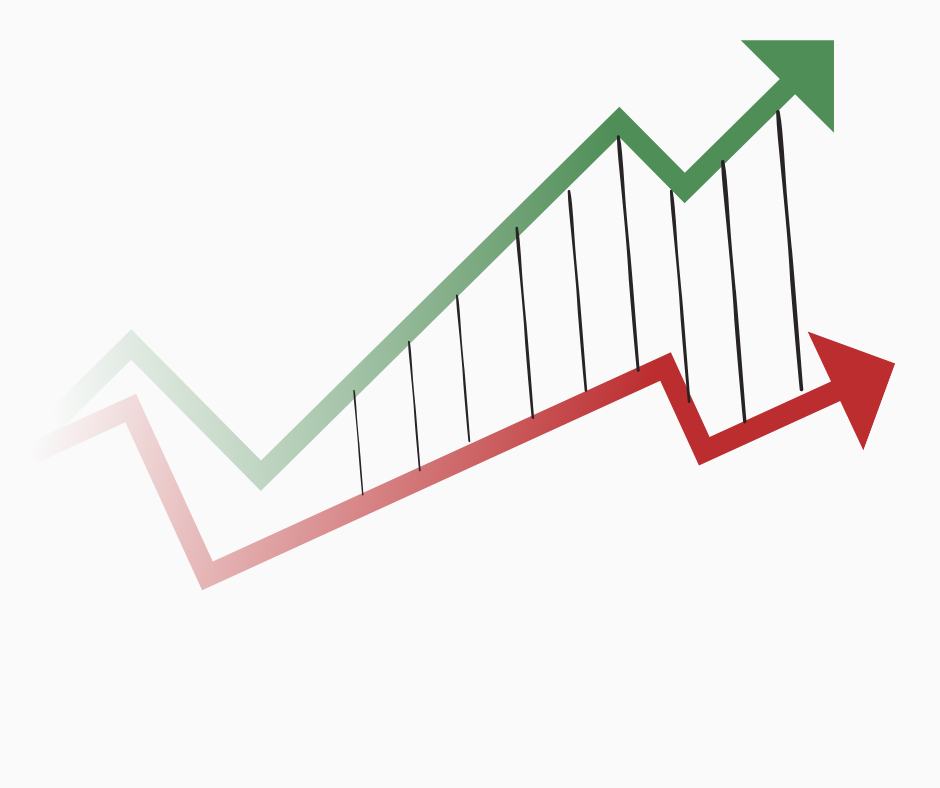
On an order-book venue, a market maker typically posts bids and asks so other participants can trade without waiting for a natural opposite order. The difference between the bid and ask is the spread.
The maker is not guaranteeing a fixed price. Quotes can change as volatility, inventory and hedge costs change.
Inventory is the hidden constraint
If many customers sell into the maker’s bid, the maker accumulates the asset. If many customers buy from the ask, the maker becomes short inventory. The maker may adjust price, size or hedges to keep that inventory within risk limits.
Liquidity providers are broader than market makers
In DeFi, liquidity providers may deposit assets into an automated market maker pool and earn fees according to protocol rules. In lending or treasury contexts, “providing liquidity” can mean something different.
Always ask what kind of liquidity is being supplied and what risk the provider takes in return.
Practice check — no money needed

Build a participant map with four columns: role, likely incentive, observable evidence, and one alternative explanation. No money or live trading is needed.
The goal is not to identify a hidden actor with certainty. If you can explain the mechanism, name the main limitation and state what evidence would strengthen or weaken your explanation, the lesson has done its job.
How this connects to market mastery
Participant analysis sits between market mechanics and market interpretation. The same habit later supports execution analysis, liquidity assessment, risk control and scenario building: identify the actor, identify the constraint, then test the story against evidence.