Why you should know this
When we press buy and receive an immediate fill, somebody supplied the sell side. When we sell, somebody takes the other side. That participant may be another trader, but often professional or automated liquidity is involved.
Market makers are not charitable price machines. They quote because spread, fee, incentive or a broader business can compensate them for inventory and information risk. If the expected compensation becomes too small, they widen the spread or stop quoting.
Understanding that behavior helps us read thin markets and stressful moments without assuming liquidity is permanent.
What is a market maker?
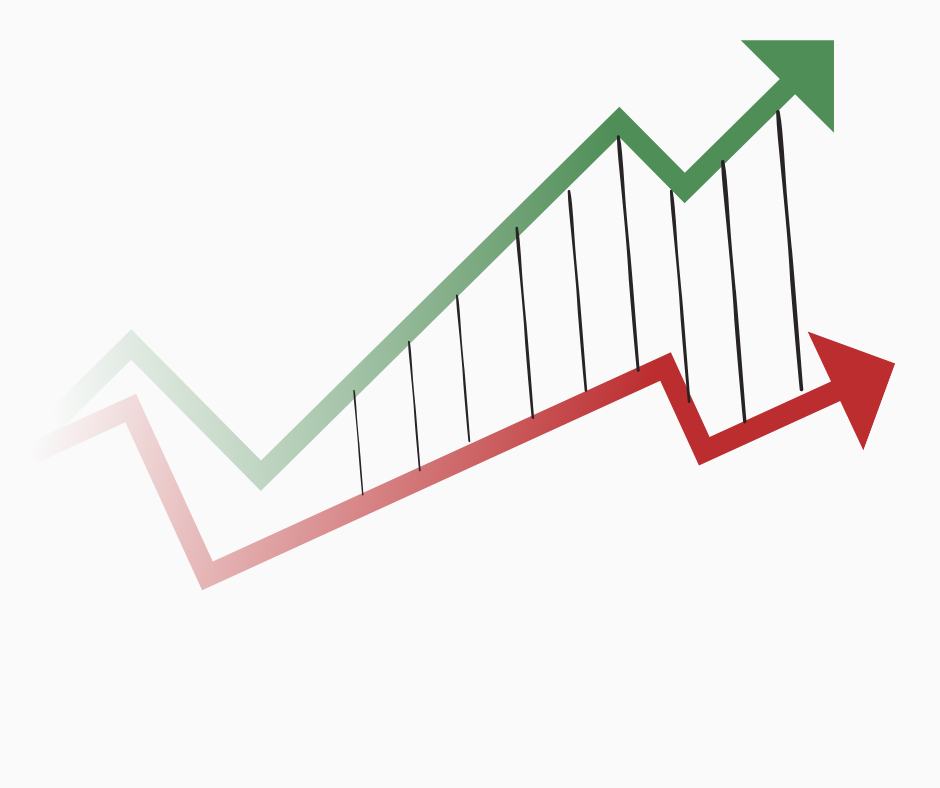
On an order-book venue, a market maker places resting buy and sell orders. The buy quote is the bid; the sell quote is the ask. Their difference is the spread.
Suppose a maker quotes:
- bid: PHP 5,000 for one unit;
- ask: PHP 5,050 for one unit.
If both sides execute at the quoted prices and the maker can rebalance without extra cost, the gross spread is PHP 50. Real results also include fees, price movement, hedging, inventory and failed execution.
Maker is an execution role

An order is commonly called maker when it adds resting liquidity and taker when it removes existing liquidity. The classification depends on venue rules and order behavior—not the trader’s job title.
A retail user can place a resting limit order and receive maker treatment. A professional market maker can submit an aggressive order that acts as taker. Any specific maker/taker fee or reward is product-current and must be verified.
Why markets need continuous quotes

Without willing quotes, a buyer must wait for a seller who wants the exact amount at the same time. Market makers bridge timing differences by accepting inventory.
Their presence can improve:
- availability of buy and sell prices;
- spread and depth;
- speed of execution;
- price alignment across venues;
- confidence that a position can be exited.
Displayed liquidity can still be cancelled, fragmented or too small for the intended order.
Inventory risk
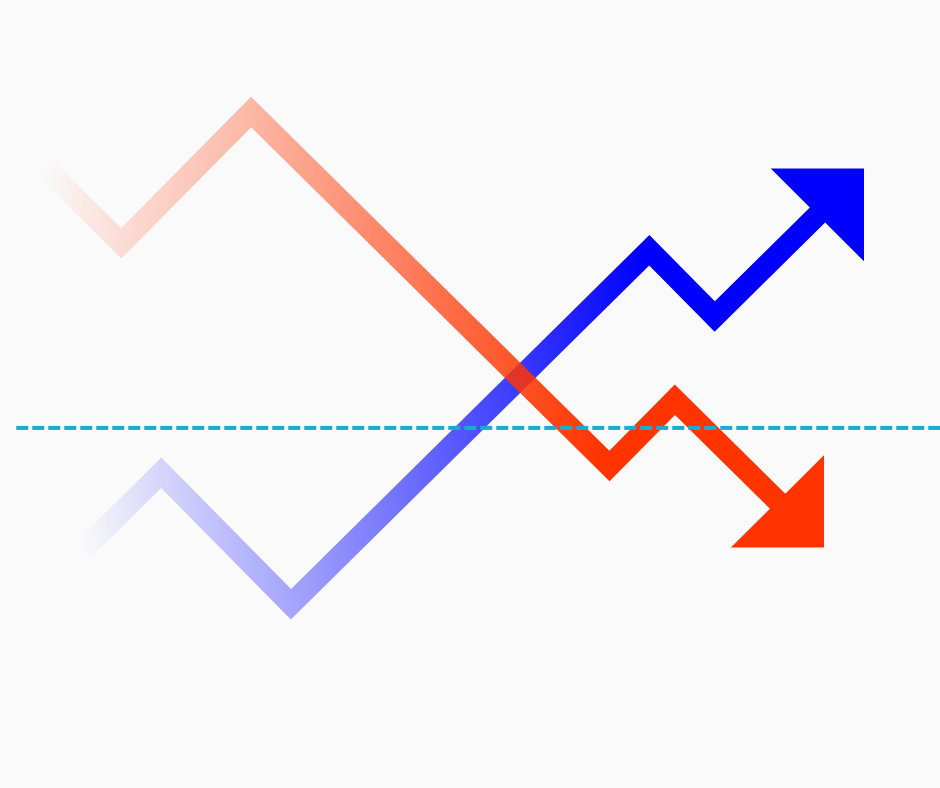
If many traders sell to the maker, the maker accumulates the asset. If price continues falling, the inventory loses value. To reduce exposure, the maker may:
- lower both quotes;
- offer a more attractive ask to sell inventory;
- reduce bid size;
- hedge on another venue or derivative;
- transfer inventory;
- stop quoting.
Inventory explains why a market maker is not necessarily bullish when buying. The bid may simply have been hit.
Adverse selection

The most dangerous counterparty may trade only when the maker’s price is stale. Imagine important news appears elsewhere and informed traders immediately buy from a maker whose ask has not updated.
The maker sells too cheaply and must replace inventory at a higher price. This is adverse selection: the other side may know or react faster.
During fast markets, makers protect themselves by updating, widening, reducing size or withdrawing. Retail traders then experience worse spreads exactly when urgency is highest.
Latency and operational risk
Automated makers depend on data feeds, APIs, risk limits, wallet systems and connectivity. A stale price, exchange outage or delayed hedge can create loss.
Crypto adds continuous trading, multiple venues, asset transfers, network congestion and counterparty differences. A hedge may exist economically but remain trapped operationally.
How a maker estimates a quote

A simplified quote considers:
- fair-value estimate;
- recent volatility;
- order-book depth;
- inventory position;
- expected informed flow;
- fees and incentives;
- hedging cost;
- venue and settlement risk;
- desired profit or risk buffer.
There is no single “true spread.” A wider spread can mean poor competition, but it can also reflect genuine volatility or transfer risk. Compare venues and conditions before interpreting it.
Centralized order-book market making

On a centralized exchange, makers place orders in a venue-controlled matching engine. They rely on the venue for custody or settlement under its model, order priority, data and uptime.
Risks include counterparty exposure, withdrawal restrictions, API failure, sudden rule change, self-trade controls and fragmented inventory across venues.
FSB research on multifunction intermediaries highlights how combining trading, custody, issuance and proprietary functions can create concentration and conflicts. It does not prove every exchange abuses those functions.
Automated market makers in DeFi

An automated market maker uses smart-contract rules and a liquidity pool rather than a conventional order book. Liquidity providers deposit asset pairs or other supported positions; traders exchange against the pool’s formula.
Providers may earn fees while facing:
- adverse price movement;
- smart-contract risk;
- oracle or governance risk;
- token and depeg risk;
- concentration-range management;
- impermanent loss, meaning the pool position can underperform simply holding the assets under defined conditions;
- transaction fees and failed rebalancing.
BIS research on decentralized liquidity provision found that technologically sophisticated participants can have advantages. “Anyone can provide liquidity” does not mean everyone has equal outcomes.
Liquidity provider is broader than market maker
A lender, staking service, OTC desk or treasury may be described loosely as providing liquidity. Ask what liquidity means in that sentence.
Providing borrowable assets is not the same as quoting a tradable bid and ask. Supplying an AMM pool is not the same as a guaranteed-price remittance. Precise terms prevent marketing from blending distinct risks.
What makes liquidity disappear?

- sudden volatility;
- uncertain fair value;
- one-sided order flow;
- large inventory;
- venue or network outage;
- stablecoin depeg;
- regulatory or banking change;
- collateral stress;
- risk-limit activation;
- suspected informed or manipulative flow.
Liquidity is a participant decision. Displayed depth should not be treated as a promise that remains available when the market moves.
A fictional quote exercise

Fair value is estimated at PHP 100. A maker quotes PHP 99.50 bid and PHP 100.50 ask for 100 units. A buyer suddenly takes the full ask while another venue rises to PHP 103.
The maker’s gross PHP 1 spread is irrelevant if replacing inventory costs PHP 103. The maker may reprice to PHP 102.50/PHP 103.50, reduce size and hedge.
Now imagine the buyer was simply lucky rather than informed. The economic result is the same. Market makers respond to observed risk, not moral judgment about the counterparty.
How traders can read maker behavior

Watch spread, available size, replenishment and how quickly quotes move after trades. A stable spread with repeated replenishment suggests resilient liquidity under those conditions. Rapid withdrawal suggests rising uncertainty.
Do not assume a large displayed order is committed. It may be cancelled, partially filled or placed to influence perception. Treat execution as real only when it occurs.
Philippine market relevance

PHP crypto pairs may have different depth from global stablecoin pairs. A trader can face the cost of moving from PHP to another quote asset before reaching deeper liquidity, then pay again to return to PHP.
Any statement about a DOPAY pair, maker reward, API, post-only order or fee requires current Product and Compliance evidence. This article teaches the role, not a current program.
Maker performance needs a complete ledger
Measure realized spread, fees, rebates or incentives, inventory mark-to-market, hedging cost, failed orders, funding and venue exposure. High trading volume can coexist with poor profit if informed flow repeatedly takes stale quotes.
For an AMM position, compare the ending value with simply holding the same starting assets and include transaction cost. Fee income by itself is not the result.
When displayed depth misleads
Order-book snapshots can duplicate or omit activity across venues, include orders that vanish under stress and say nothing about beneficial ownership. A deep book at tiny size does not guarantee depth for the planned order.
Use weighted execution for the intended size and observe replenishment after trades. Liquidity is better understood as behavior through time than as one screenshot.
How this connects to market mastery
Market making explains bid, ask, spread, depth, slippage and why liquidity changes. It turns the order book from a picture into a collection of participants managing risk.
The survival question is not “How do I earn the spread?” It is “What inventory and information risk is hidden inside that spread?”
Key takeaways and check
- Market makers bridge timing by quoting both sides and carrying inventory.
- Spread is gross compensation, not guaranteed profit.
- Adverse selection and inventory risk can make quotes widen or vanish.
- AMM liquidity has different mechanics and risks from order-book making.
- Product-specific maker claims require current evidence.
Developing Trader check: Build a fictional bid and ask. Show what happens after one-sided flow and a fair-value jump, then identify why the maker changes size.