
Why you should know this
When our buy order fills, someone sold. It is natural to ask, “What do they know that I do not?”
Sometimes they know more. Sometimes they need cash, hedge another position, rebalance inventory or follow a completely different horizon. A market exists because participants disagree or have different constraints.
Counterparty thinking is not paranoia. It is a structured review of information, speed, liquidity, horizon and operational advantage.
Opposite trade is not opposite belief
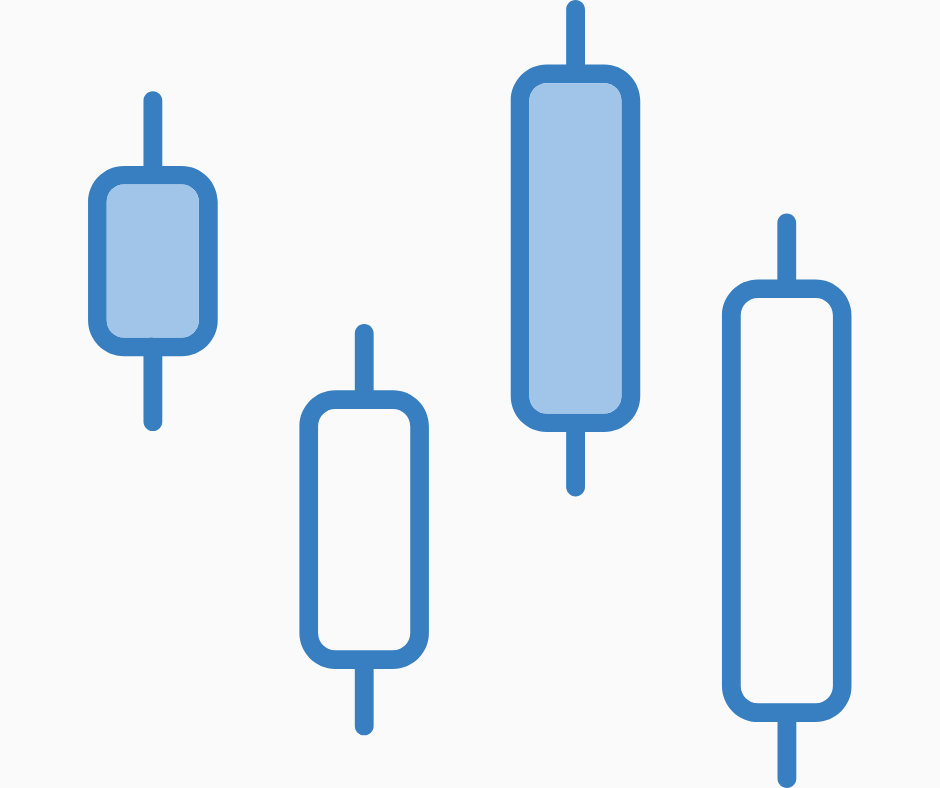
A market maker sells to a buyer because the ask was hit and may immediately hedge. A miner sells rewards to pay electricity while believing in the network. A long-term investor trims concentration. An arbitrageur sells on one venue while buying another.
The seller does not have to believe price will fall. Their transaction may serve a different job.
Possible counterparties
Your fill may face:
- another retail trader;
- a long-term holder changing allocation;
- a market maker managing inventory;
- a miner or validator realizing rewards;
- a project treasury funding operations;
- a venture or institutional investor exiting or hedging;
- an arbitrageur aligning venues;
- a liquidated leveraged trader;
- an algorithm executing a rule;
- a broker or OTC desk acting under its model.
Public venue data rarely proves which one.
Five asymmetries

1. Information asymmetry
The other side may have faster data, deeper research or private operational knowledge. They may also be reacting to the same rumor with no advantage.
Protection: verify primary sources, avoid urgent rumor trades and define invalidation.
2. Speed asymmetry
Algorithms can update in milliseconds. A retail user reading a post and manually entering an order cannot win a pure latency race.
Protection: choose a slower decision horizon, avoid chasing stale prices and use order controls you understand.
3. Cost asymmetry
Professional participants may have lower fees, better funding or internal transfers. A visible spread that works for them can be negative for us.
Protection: calculate our own complete cost.
4. Liquidity asymmetry
Institutions may access OTC desks, credit, derivatives and multiple venues. Retail may depend on one account and one PHP exit.
Protection: size for actual order-book and Withdrawal access, not global headline volume.
5. Horizon asymmetry
The other participant may hold for seconds while we plan years, or vice versa. Both can rationally trade opposite sides.
Protection: state our horizon and avoid using a short-term move to prove a long-term thesis.
Adverse selection from the trader’s side

Market makers worry that someone trades against a stale quote. Retail traders face a related question: Why is this opportunity available to me now?
If a token is promoted as guaranteed to rise, why are sellers willing to give it up? Possible answers include ordinary risk transfer, earlier entry, liquidity need, different information or promotion-driven exit.
The question does not prove a trap. It prevents one-sided storytelling.
Market order versus limit order
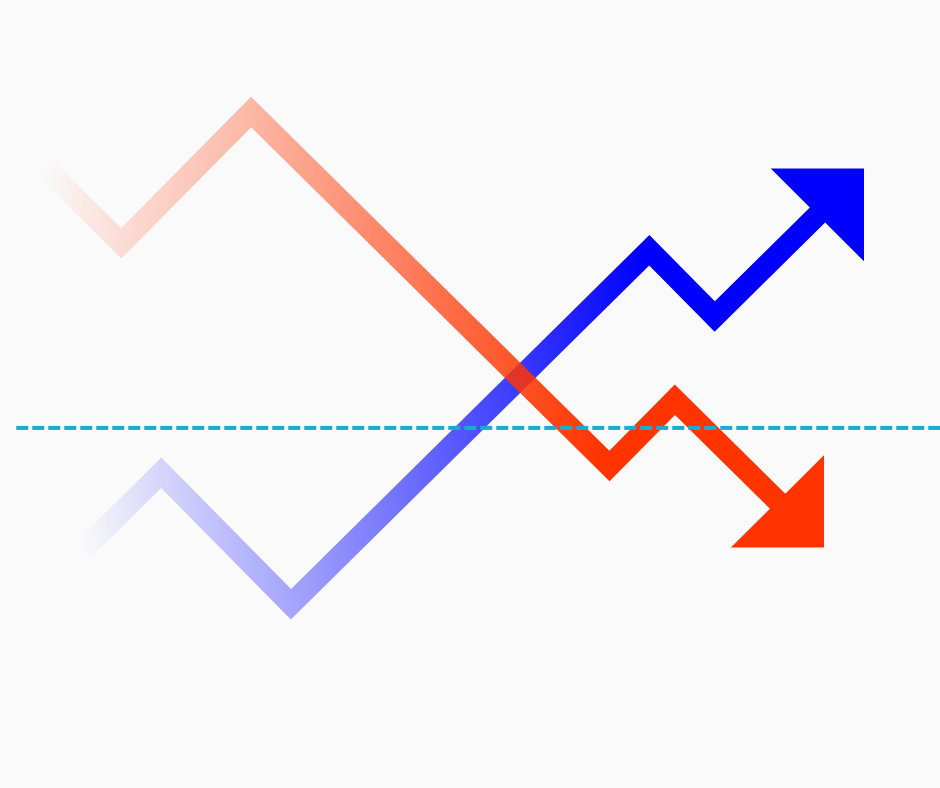
A market order accepts available prices for immediacy. The other side earns or benefits from providing that liquidity. A limit order sets a price but may not fill—or may fill precisely when informed flow makes the price unattractive.
Neither order type removes counterparty risk. Academy 5 will examine the mechanics in detail. Here the participant lesson is that immediacy has a price and passive quoting has selection risk.
Who takes your exit?

Before entering, imagine the intended exit. If the thesis succeeds, who might buy at the higher price? New users, institutions, a market maker, short-covering traders or users with genuine demand?
If the only answer is “someone more excited,” the thesis depends on continued attention. That may be a speculative trade, but it should not be disguised as durable value.
Forced counterparties
Liquidations, margin calls, redemptions and operational deadlines can force action. A leveraged long may sell into a falling market regardless of valuation. A fund may sell to meet withdrawals. A family may convert crypto to PHP for an emergency.
Forced flow can create prices that differ from calm estimates. It can also create risk: liquidity may be disappearing while the forced participant executes.
Venue as hidden participant

The venue sets order rules, data, fees, listing, custody and access. It may have affiliated market makers or proprietary functions. In a broker quote, the provider may be principal.
Map whether the venue merely matches orders or also influences the economic other side. IOSCO and FSB work emphasizes conflicts and governance in multifunction intermediaries.
Derivatives hide the complete position

A visible spot seller may be closing a hedge, while a spot buyer may be short derivatives. Wallet movements and one venue’s orders do not reveal net exposure.
Avoid “smart money bought” or “whales sold” conclusions from one leg. Ask what other instruments and venues could change the interpretation.
A fictional trade review
Jules buys Token Q after a 15% rise and an influencer post. His market order fills 2% above the last price because the book is thin.
Possible other sides:
- market makers selling inventory at widened asks;
- early holders using new attention to exit;
- arbitrageurs selling a local premium;
- traders taking profit;
- a treasury funding operations.
Jules cannot know which. He can know that urgency, social attention, thin liquidity and slippage put him at a disadvantage. The correct improvement is better evidence, smaller size, a price limit or no trade—not a confident story about the seller.
The OTHER check
- O — Objective: what job does my trade perform?
- T — Time horizon: seconds, days or years?
- H — Hidden asymmetry: information, speed, cost or liquidity?
- E — Executable exit: who might take it and at what depth?
- R — Risk if wrong: affordable loss, custody and operational failure?
Run OTHER before entry and after exit.
Post-trade review without hindsight
Record the information available, expected counterparty types, order choice, spread, slippage and exit. Afterward, compare outcome with process.
Do not declare that a losing trade proves the other side was smarter or that a winning trade proves we had an edge. Luck and unobserved factors exist. Repeated, documented process provides stronger evidence.
Philippine and Asian context
Local pairs can have different counterparties from global venues. A PHP buyer may face a broker quote or local market maker rather than the same participant visible on a US-dollar market.
FX, banking access, provider limits and remittance needs create legitimate reasons for opposite flow. Verify the provider and complete PHP route. Do not infer identity from geography or wallet activity.
A no-money counterparty lab

Take one historical candle and write five plausible sellers and five plausible buyers. Give each a different horizon and objective. Then choose an order type and maximum size for a fictional trader.
The goal is not to find the true hidden actor. It is to ensure our plan survives several reasonable actors.
Edge must be stated positively
“The other side is foolish” is not an edge. A usable edge describes the information, analysis, execution, behavior or horizon that we can apply repeatedly within risk limits.
Examples might include patient entry in a liquid market, disciplined rebalancing or specialized fundamental research. Each remains uncertain and can weaken as others learn. If the only thesis is that somebody else will pay more, counterparty analysis has exposed the gap.
When no-trade is the best counterparty decision

If we cannot explain our objective, calculate complete cost or imagine an executable exit, we do not need to discover the hidden seller. We can stay out.
The ability to decline is especially valuable when social urgency, thin liquidity and asymmetric information appear together. Capital kept safe remains available when evidence improves.
How this connects to market mastery
Participant thinking unifies Academy 4 and prepares Academy 5. It explains why execution, liquidity, information and risk belong together.
Mastery is not defeating every counterparty. It is choosing markets and time horizons where our process has a reasonable purpose—and declining trades where the other side’s advantages dominate.
Key takeaways and check
- Opposite execution does not mean opposite long-term belief.
- Counterparties differ in information, speed, cost, liquidity and horizon.
- Venue structure and derivatives can hide the economic other side.
- Plan the exit and likely liquidity before entry.
- Use counterparty thinking to improve process, not invent identities.
Advanced Trader check: Review Jules’s trade with OTHER. Identify two disadvantages visible before entry and one change that protects him.


