
Why you should know this
Manipulated markets try to make manufactured activity look like independent demand. A sudden candle, huge reported volume and hundreds of excited posts can feel like proof that everyone discovered value at once.
Sometimes a genuine event causes unusual activity. Volatility is not manipulation by itself. The defensive skill is to recognize patterns, slow down, preserve evidence and avoid participating when the facts are unclear.
We teach survival and reporting—not how to run a scheme.
What market manipulation means
Market manipulation is conduct intended or structured to create a false or misleading appearance of price, demand, supply or trading activity, subject to the applicable legal standard and facts.
Different jurisdictions and products have different laws. A suspicious chart is not a legal finding. Regulators, venues and courts assess evidence such as communications, beneficial ownership, orders and intent.
Pump-and-dump pattern
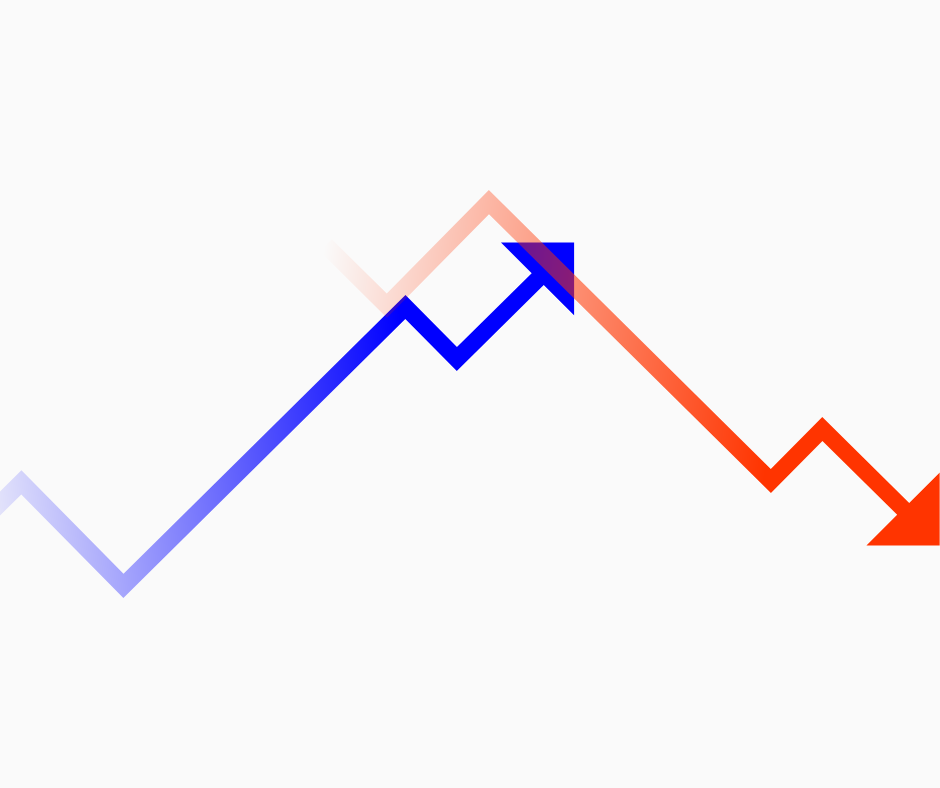
A pump-and-dump commonly involves earlier accumulation, aggressive promotion, follower buying, sharp price increase and selling by organizers or earlier holders. Thin or little-known tokens can be vulnerable because modest capital moves price.
CFTC guidance warns customers not to buy virtual currencies solely from social-media tips or sudden price spikes. That is a defensive rule, not a prediction that every promoted token is fraudulent.
Coordinated group warning signs

- a precise countdown to a secret token reveal;
- instructions to buy immediately and not sell;
- promises of guaranteed percentage gains;
- organizer ranks based on recruitment or payment;
- thin asset with little independent information;
- pressure to keep the group secret;
- leaders buying before general members;
- screenshots of profit without complete trade history;
- attacks on members who ask about risk;
- unclear compensation or token holdings.
Late participants can become exit liquidity for earlier ones.
Wash trading

Wash trading describes transactions where the same beneficial interest is effectively on both sides, creating the appearance of activity without genuine market risk transfer, subject to facts and legal definitions.
Reported volume can then look larger and liquidity healthier than it is. On-chain transfers between addresses do not alone prove distinct beneficial owners. Venue surveillance needs account, ownership and order data.
Do not accuse a venue or token from one volume ratio. Use documented methodology and authoritative findings.
Matched and coordinated orders

Separate parties can coordinate orders to create an artificial appearance or move price. From public data, legitimate block execution, arbitrage or market-making can sometimes look similar.
Intent and relationship matter. A trader’s defensive response does not require a courtroom conclusion: if activity cannot be explained and execution risk is high, we can stay out.
Spoof-like displayed liquidity

Large orders can be displayed and cancelled before execution, potentially influencing perception. Legitimate traders also cancel orders when risk or price changes.
One cancelled order is not proof. Repeated patterns, timing, ownership and intent require venue-level evidence. For survival, treat displayed orders as conditional until filled.
Undisclosed touting and scalping

A promoter may praise an asset while secretly planning to sell into follower demand. Material compensation or holdings may be omitted.
SEC investor alerts discuss touting and scalping patterns in social-media investment fraud. Applicability to a specific crypto asset and jurisdiction requires legal review, but the information-quality lesson is clear: ask what the speaker owns, received and plans to do.
False announcements and impersonation
Fake listings, partnerships, approvals or endorsements can create a short-lived price move. Scammers may imitate regulator, exchange, project or celebrity accounts.
Verify announcements through independently reached official channels. A reposted screenshot is not confirmation. Check exact domain, account history, partner statement and regulator source.
Manipulation versus enthusiastic community

Communities can coordinate advocacy without manipulating a market. Fans may sincerely share research. The line depends on conduct, deception, trading, compensation and applicable law.
Avoid declaring guilt from enthusiasm. Instead, evaluate disclosure, evidence, price sensitivity and whether organizers pressure people to buy for earlier holders’ benefit.
Market conditions that increase vulnerability
- low free float;
- thin order books;
- concentrated holdings;
- weak disclosure;
- fragmented venues;
- high retail attention;
- easy account creation or poor controls;
- leverage and forced liquidation;
- unclear issuer or treasury;
- weak surveillance and recourse.
These conditions create opportunity for abuse but do not prove it occurred.
A fictional message
“At 8:00 PM we reveal the next 10x coin. VIPs receive the name five minutes early. Buy everything, do not sell, and recruit three friends. The team guarantees a 200% pump.”
Defensive analysis:
- VIPs have a timing advantage;
- the return guarantee is not credible;
- recruiting creates downstream demand;
- no fundamental evidence is offered;
- secrecy and urgency reduce verification;
- later members may provide exit liquidity.
Safest action: do not participate, do not forward the message, preserve relevant evidence and use official platform/provider or authority reporting routes where appropriate.
Evidence preservation

Record, without exposing secrets:
- exact message and timestamp;
- account or channel identifier;
- clean URL or platform reference;
- claimed asset and venue;
- disclosure or compensation statement;
- public market observations;
- any transaction reference related to your own account;
- official support case number.
Do not hack, dox, impersonate or infiltrate. Do not publish personal accusations. Preserve lawfully and report through accountable channels.
If you already participated

Stop sending additional money to “recover” the position. Secure the account and keep records. Contact the responsible provider through its official channel. If unauthorized access or fraud is suspected, use appropriate official reporting and consumer-assistance routes.
Do not trust a private recovery agent who asks for upfront crypto, remote access, OTP or seed phrase. Loss does not become recoverable because another stranger promises certainty.
Venue and provider responsibilities
Trading venues can use surveillance, account controls, listing governance, conflict management and enforcement under their applicable obligations and rules. Regulators and law enforcement can investigate within their authority.
Customers should not be expected to prove beneficial ownership from public data. Their role is to protect themselves and provide accurate evidence.
Community-educator boundary

R5 leaders can teach warning signs and share official alerts. They should not run informal investigations, collect victims’ IDs or funds, promise recovery or publicly name suspects without authoritative findings.
A caring response says, “Please keep your credentials private; let us find the official provider and reporting channel.”
The STOP-PUMP check
- S — Secret advantage: who knew first?
- T — Thin market: can a small order move price?
- O — Organizer incentive: what do leaders own or receive?
- P — Pressure: urgency, secrecy or guaranteed return?
- P — Primary evidence: is the announcement verified?
- U — Unusual volume: genuine risk transfer or unclear activity?
- M — Market exit: who buys when early holders sell?
- P — Preserve and report: keep evidence; use official channels.
The acronym is a pause tool, not a legal test.
Philippine and Asian context

Groups can cross borders while providers and laws remain local. An organizer abroad may target Filipino users through familiar language and payment channels.
Verify Philippine providers through official sources and contact the responsible institution first for account cases. Do not assume a foreign regulator handles a Philippine consumer or vice versa.
False positives matter

A new listing, migration or legitimate market-making launch can create unusual volume. An airdrop can cause many related transfers. A data error can duplicate trades. If we label these events manipulation without evidence, we harm people and reduce the credibility of real warnings.
Keep analytical language calibrated: “unusual,” “unverified” and “requires investigation” are not weak words. They accurately describe the evidence stage.
This protects both the market and the reader from rumor-driven retaliation.
How this connects to market mastery
Manipulation defense improves every market-reading method. Technical signals can be manufactured, volume can be misleading, narratives can be coordinated and fundamentals can be invented.
The advanced response is not cynicism. It is evidence, execution caution, affordable risk and the courage not to join.
Key takeaways and check
- Suspicious activity is not automatically a legal finding.
- Pump groups exploit timing, thin liquidity and follower demand.
- Wash activity can make volume look healthier than real risk transfer.
- Displayed orders are conditional until executed.
- Protect yourself, preserve evidence and report—do not retaliate or accuse publicly.
Developing Trader check: Apply STOP-PUMP to the fictional message. Name the first reason to refuse and the evidence you would preserve.


