
Why you should know this
A network can produce blocks normally while a customer cannot Top Up, convert or Withdraw. The cause may be bank maintenance, provider review, payment limits, regulatory change or unsupported geography.
This is not a contradiction. Public blockchains, regulated services and fiat payment systems are separate layers that must cooperate for a complete customer outcome.
Understanding the participants prevents us from blaming “the blockchain” for every delay—or assuming a technically reachable service is legally available.
What regulators do
Depending on mandate and jurisdiction, regulators can:
- define covered activities;
- license, register or supervise providers;
- set governance and risk controls;
- require KYC/AML, sanctions and transaction monitoring;
- establish custody and consumer-protection expectations;
- address market conduct and disclosures;
- oversee payment systems;
- investigate and enforce;
- coordinate across borders.
No one regulator necessarily covers every crypto activity. Banking, payments, securities, commodities, privacy, tax, consumer and criminal law may involve different authorities.
Regulation is not endorsement
Registration or supervision means an entity falls within a regulatory framework for particular activities. It does not guarantee profit, prevent every failure, validate every asset or promise recovery.
Verify the exact legal entity, service and current status. A logo or old certificate is not enough.
Philippine VASP context

BSP Circular No. 1108 provides the Philippine framework for covered VASPs, including governance, risk, consumer and AML-related expectations. BSP public resources help users verify supervised entities.
DOPAY should be described as a Philippine-regulated EMI/VASP based on current accountable evidence. That status must not be expanded into a claim that DOPAY is licensed or soliciting in Japan or another foreign jurisdiction.
What banks do

Banks hold deposits, process transfers, provide settlement accounts, manage credit and comply with prudential and financial-crime rules. A crypto provider may depend on banks for:
- customer Top Up;
- fiat safeguarding or settlement;
- PHP conversion and Withdrawal;
- payroll or business accounts;
- treasury and liquidity;
- chargeback, return and reconciliation processes.
Banks choose relationships under law, regulation, risk appetite and commercial policy. A blockchain transaction does not force a bank to accept a customer or payment.
What payment companies and e-money issuers do

Payment companies connect customers, banks, merchants and other providers. E-money can offer PHP-denominated digital value for payments and transfers under its applicable framework.
An e-wallet is not automatically a crypto wallet, and e-money is not a virtual asset or bank deposit. The distinctions affect custody, rights, use and recourse.
The on-ramp
An on-ramp converts or transfers fiat value into a crypto service. It may involve bank transfer, e-money, card, cash channel or another supported method.
Access depends on:
- customer eligibility and KYC;
- funding-source name and control;
- bank/payment support;
- limits and fees;
- asset and service availability;
- fraud and AML review;
- jurisdiction and current terms.
“PHP supported” does not prove every Philippine bank or wallet is supported.
The off-ramp

An off-ramp converts crypto to PHP or another fiat outcome and sends it to a bank, e-wallet or other supported channel.
The customer needs to know the conversion rate, spread, fee, payout method, limit, timing and responsible provider. Network confirmation is not final PHP delivery.
Liquidity relationship

Banks and payment firms supply access to national currency. Crypto market makers and exchanges supply asset liquidity. If either side weakens, spreads can widen and limits can tighten.
A token may have global volume yet poor PHP exit. Local banking holidays, outages and payment cutoffs can affect the complete route even while global trading continues.
KYC, AML and sanctions

FATF standards require jurisdictions to address covered VA/VASP risks. Providers may collect originator, beneficiary, purpose and source-of-funds information and monitor transactions.
A review is not automatically an accusation. Customers should provide truthful information through official secure channels. They should never share passwords, OTPs or seed phrases.
Travel Rule and cross-border access

The Travel Rule concerns information accompanying certain transfers between covered providers under applicable frameworks. Implementation differs across jurisdictions.
A Japan-side provider and Philippine-side provider may have different data, wallet and counterparty rules. Technical address compatibility does not establish an operational corridor.
Why access changes
Services can add or remove assets, banks, countries or customer types because of:
- law or supervisory direction;
- sanctions or financial-crime risk;
- fraud experience;
- banking relationship;
- liquidity;
- technology or security;
- product strategy;
- partner change;
- operational capacity.
Do not promise permanent access. Current verification belongs in every product claim.
Consumer protection and recourse

Regulated providers should offer official terms and complaint channels under applicable requirements. Customers should contact the responsible provider first and keep a case ID and evidence.
For BSP-supervised institutions, the BSP Consumer Assistance Mechanism can serve as a second-level route within its current scope after the provider process. This does not guarantee a particular resolution.
Five fictional problems

- Network confirmed, PHP absent: likely provider conversion or payout stage.
- Bank transfer returned: bank/payment or account-matching stage.
- Account asks for source of funds: provider compliance stage.
- App visible in Japan but signup rejected: eligibility and jurisdiction stage.
- E-wallet balance received but user expected a bank deposit: product and money-type misunderstanding.
The correct helper locates the layer before offering advice.
A participant route map
Draw:
Customer → bank/e-money funding → regulated provider → market/liquidity → network/partner → Philippine provider → PHP bank/e-wallet.
Under every arrow write who owns the data, fee, status and complaint. If the route is managed centrally, identify the accountable entity instead of treating it as an anonymous peer-to-peer transfer.
Philippine and Asian market focus
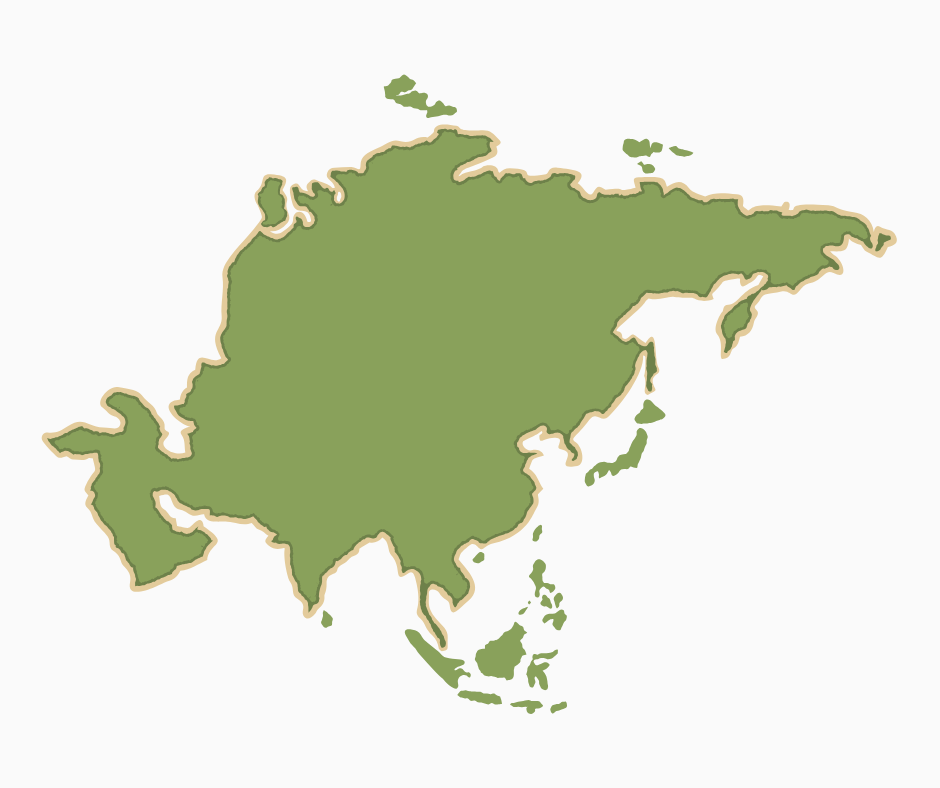
Asia contains many separate regulatory and payment systems. Avoid “legal in Asia,” “licensed across Asia” or “available worldwide” language.
For Japan–Philippines education, verify Japan FSA and Philippine BSP information separately. DOPAY’s Philippine regulation can be a trust layer for Philippine activity without implying foreign authorization or solicitation.
Access is a portfolio risk

A trader may focus on token volatility while keeping all fiat funding, custody and exit with one provider or banking partner. If that route pauses, the economic position may remain open even when the user wants to reduce it.
Map concentration across venue, custodian, bank, stablecoin, network and jurisdiction. Diversification can reduce one dependency but add complexity, fees and more credentials to secure. Choose only arrangements the user can operate and reconcile.
Provider risk appetite is not a legal verdict
A bank can decline an activity under its own policy even when no general law prohibits it. Another provider may accept it under different controls. Conversely, commercial availability does not prove legal permission.
Distinguish law, regulator requirement, provider policy and technical limitation. Ask the accountable entity to identify which applies rather than announcing that “the country banned crypto” from one rejected transfer.
Public infrastructure also competes

Fast-payment systems, interoperable e-money and cross-border payment projects can improve conventional rails. Crypto should be compared with the alternatives that exist now, not with a slow system remembered from years ago.
For remittance and practical use, compare final PHP, cost, data, timing, recipient access and recourse. The best route can change as banks, payment companies and regulators improve infrastructure.
Change-management checklist

When a provider announces a change, record the legal entity, effective date, affected country/customer/asset, action deadline, Withdrawal route, support channel and source. Beware fake notices that use real regulatory news to steal credentials.
Open the official app or typed website independently. Do not move funds to an address received only through a message.
Keep prior terms and notices with the transaction record so a later complaint can show what the customer was told at the time.
How this connects to market mastery
Access participants influence demand, supply, spread and market continuity. Regulation and banking are not external footnotes; they shape who can fund, trade, hold and exit.
Intermediate mastery means adding the legal and payment map to the price chart. Trading is not required to understand this layer.
Key takeaways and check
- Blockchain, regulated service and fiat payment systems are separate layers.
- Regulators define and supervise activities but do not guarantee investment outcomes.
- Banks and payment companies shape PHP entry and exit.
- KYC/AML and Travel Rule controls can affect timing and eligibility.
- Philippine status does not prove foreign authorization.
Intermediate Trader check: Assign each fictional problem to the responsible layer and name the official evidence or support route needed.