
Why you should know this
Institutional participation can change a market before the public trades. Capital funds development. Connections help with hiring, partnerships and exchange access. A recognizable investor can strengthen a narrative.
The same arrangement can create concentrated allocations, discounted entry prices, governance influence and future sell supply. We need to examine terms—not celebrate or reject the investor category.
Who are the institutions?

The group can include:
- venture-capital funds;
- hedge funds and proprietary trading firms;
- family offices;
- asset managers;
- corporate treasuries;
- banks and payment companies;
- market makers and OTC firms;
- pension, insurance or sovereign investors where permitted;
- crypto-native foundations and investment DAOs.
Their mandates, time horizons and legal constraints differ. “Institutional money” is not one trade.
Venture funding before a token market

Early investors may fund a company through equity, token rights, convertible instruments or other contracts. The public token price may later reflect a different instrument from the investor’s original claim.
Ask:
- Did the investor buy equity, tokens or both?
- What price or valuation applied?
- What vesting or lockup applies?
- Are there information, board or veto rights?
- Can rights transfer?
- What happens if no token launches?
- How are conflicts disclosed?
A project announcement usually does not disclose the complete contract.
What professional capital can add

Capital can pay engineers, security review, legal work, infrastructure, liquidity, user support and market development. Experienced investors can challenge governance and introduce partners.
But money cannot create product-market fit by itself. A well-funded project can still fail through poor design, security, economics, law or adoption. Funding proves that an investor accepted a risk under particular terms.
Different entry prices
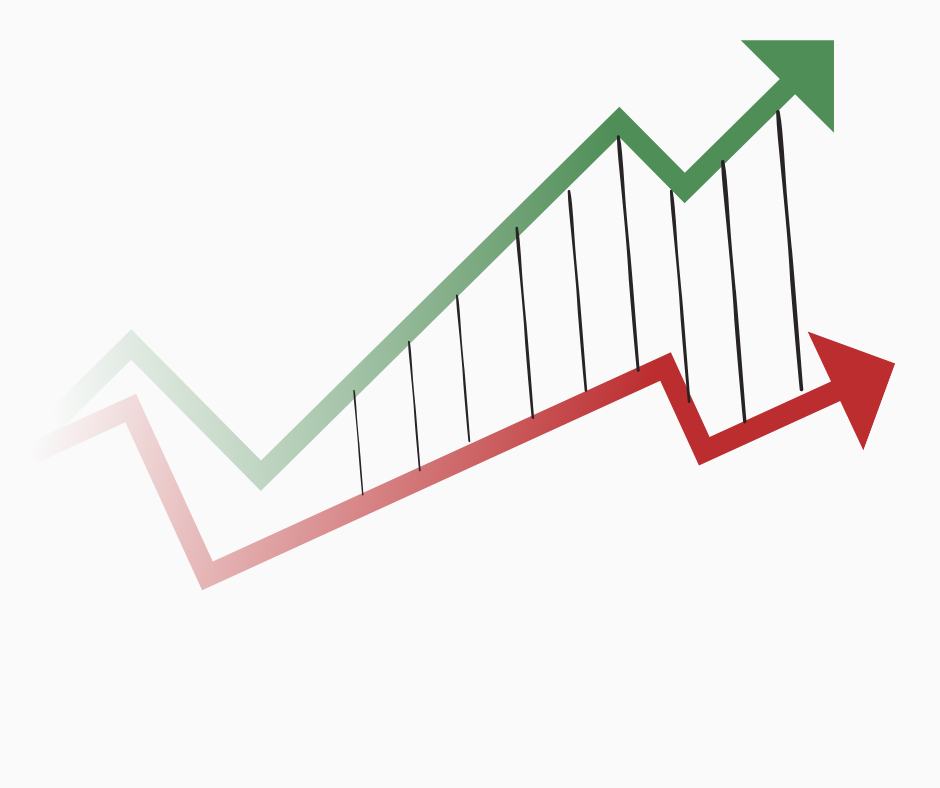
An early investor may receive a lower price because it accepted earlier risk, illiquidity and uncertainty. The public buyer may receive a liquid asset later at a higher valuation.
The difference is not automatically unfair. It becomes material when the market does not understand allocation, vesting and potential dilution.
Compare fully diluted valuation, circulating supply, early purchase terms where disclosed and the schedule on which supply can enter the market.
Lockups and vesting

A lockup prevents transfer for a period. Vesting releases rights over time. A cliff releases the first portion after a waiting period.
An unlock does not prove immediate sale. It changes the holder’s ability to sell, post collateral, lend, vote or transfer. Market impact depends on amount relative to liquid volume, holder incentives and available hedges.
Public traders should avoid treating every unlock as a guaranteed crash or ignoring it entirely.
Governance and information advantages

Institutions may receive board observation, reporting, due-diligence access or advisory influence. Token holders may see only public communications.
This can improve oversight but create information asymmetry. Securities, market-abuse and disclosure rules depend on jurisdiction and asset classification. Editorial coverage should state facts and avoid implying illegal insider trading without authoritative evidence.
Market makers are not the same as venture investors

A firm can hold both roles, but the economics differ. A venture investor seeks value growth over time. A market maker earns from providing execution while managing inventory. A liquidity agreement may include loans, options, token allocations or performance terms.
When the same participant invests, makes markets and advises on listings, disclose the combination and ask how conflicts are controlled.
Institutions can deepen liquidity
Professional firms can supply capital across venues, trade larger size and arbitrage price differences. Custody, execution and risk systems can support deeper markets.
They can also withdraw rapidly when risk limits, funding or regulation changes. Apparent depth may therefore be procyclical: abundant in calm markets and scarce in stress.
Institutional hedging changes interpretation

A fund can hold spot tokens while shorting futures or options. A visible deposit or purchase does not reveal net exposure. An institution can support a project strategically while hedging market risk.
Avoid headlines such as “Fund is bullish” unless the evidence covers the complete position and time horizon.
Narrative and signaling
A respected investor’s name can attract media and retail attention. Projects may display investor logos as trust signals.
Verify whether the relationship is current, what was invested and whether the investor endorsed the public token. An investment at an early valuation does not mean the fund recommends buying at today’s price.
Institutional exits
Funds eventually return capital under their mandates. Exits can occur through token sales, equity sales, mergers, redemptions, OTC blocks, distributions to fund investors or write-offs.
An exit is not always a judgment that the project is worthless. It may reflect fund life, portfolio concentration, tax, liquidity or client redemption. Still, large exit-capable holdings are supply risk that should be mapped.
A fictional round
Project Luzon issues one billion tokens. Venture funds receive 200 million at PHP 0.50 with a one-year cliff and three-year vesting. Public circulation at launch is 100 million at PHP 5.
Questions include:
- What rights did the funds receive?
- Does the public understand the 10x entry-price difference?
- How much unlocks after the cliff?
- What is the unlock relative to liquid volume?
- Can funds hedge before tokens transfer?
- Does the treasury depend on the token price?
- Who controls changes to the schedule?
The numbers do not predict direction. They reveal an asymmetric capital structure.
Fully diluted valuation needs care
Multiplying price by maximum or total token supply can produce a fully diluted valuation. It helps compare potential scale but assumes a price can apply to supply that is not currently liquid.
If a small circulating amount trades at a high price, fully diluted valuation can be enormous without enough liquidity to sell the full supply at that price. Use market capitalization, liquid supply and unlock schedule together.
Due diligence questions for public readers

- Who funded the project and when?
- What instrument and price did they receive?
- What lockup, vesting and governance rights exist?
- Are token and equity interests aligned?
- Are market-making or listing relationships disclosed?
- What supply can become transferable?
- Who buys if early holders exit?
- What evidence shows real use rather than only funding announcements?
Unknown is an acceptable answer. It should reduce confidence, not inspire invention.
Philippine and Asian context

Institutional access varies by jurisdiction. Local public users may trade a token while the funding vehicle, issuer and major venues sit elsewhere. Rights and recourse do not automatically cross borders.
For Philippine readers, verify the local provider and product separately. Do not treat foreign institutional participation as BSP approval or a guarantee of lawful local availability.
A no-money cap-table map
Using fictional figures, list founders, employees, venture investors, treasury, community and public circulation. Add purchase price, lockup, voting rights and next unlock.
Then run a stress case: token price falls 70%, treasury is mostly native token and an unlock approaches. Which participants face pressure, and what evidence would you seek?
Concentration and portfolio behavior
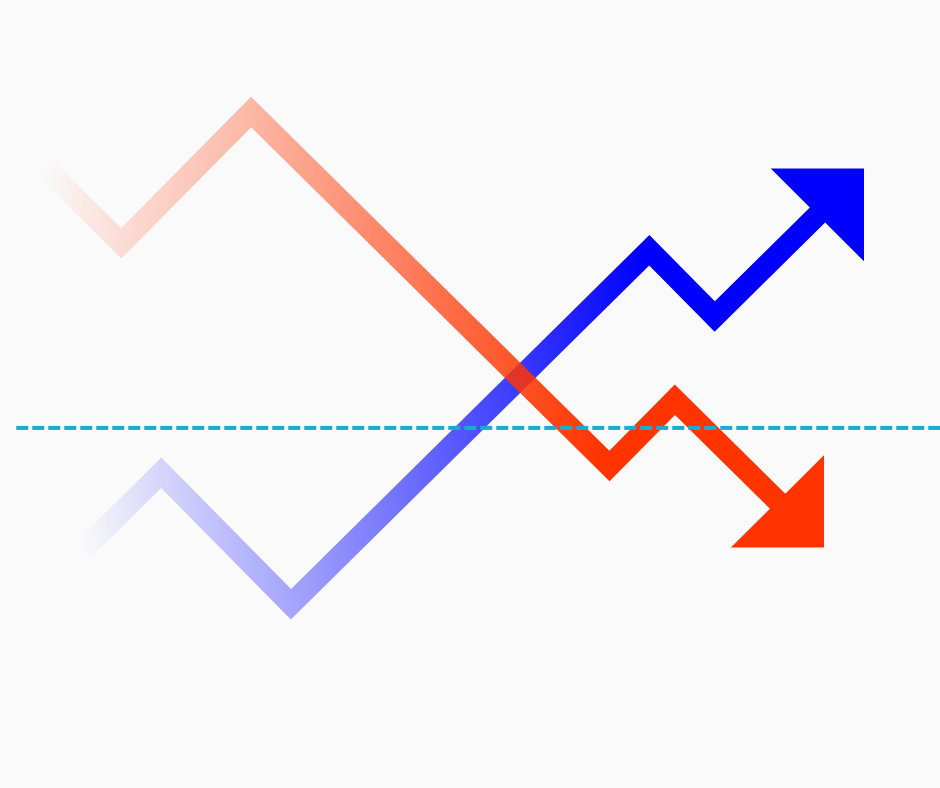
A token may be a small position in a large fund but the main asset for a public buyer. The fund can tolerate a complete write-off while the individual cannot. Fund managers also rebalance portfolios: they may sell a successful asset because it became too large, not because the thesis failed.
Position meaning depends on size relative to the holder’s whole portfolio and obligations. Public readers should not copy an institution without that context.
Follow-on financing and survival
Early funding may not carry a project to sustainable operation. Ask about runway, burn, revenue and future capital needs. A down round, bridge financing or token sale can dilute or change incentives.
Professional support can extend survival, but repeated funding without product evidence may postpone rather than solve an economic problem. Separate capital raised from value delivered to users.
How this connects to market mastery
Professional-capital analysis connects fundamentals, supply, governance, liquidity and sentiment. It helps us distinguish a funding event from a public-market entry decision.
The advanced habit is to ask what terms produced the logo.
Key takeaways and check
- Institutions have different mandates and instruments.
- Funding can add resources without proving future success.
- Early prices, lockups and rights may differ from public terms.
- Unlocks create capability, not guaranteed sale.
- Visible holdings do not reveal net exposure or hedges.
Intermediate Trader check: Analyze Project Luzon’s allocation and first unlock. List three questions a public buyer must answer before using the funding announcement as evidence.