
Why you should know this
Prices do not move because a chart decided to move. People, firms, protocols and infrastructure act for different reasons. Learning to separate who may be acting, what they may want, and what evidence we can actually observe helps us avoid turning a plausible story into a fact.
Different stakeholders can want different outcomes
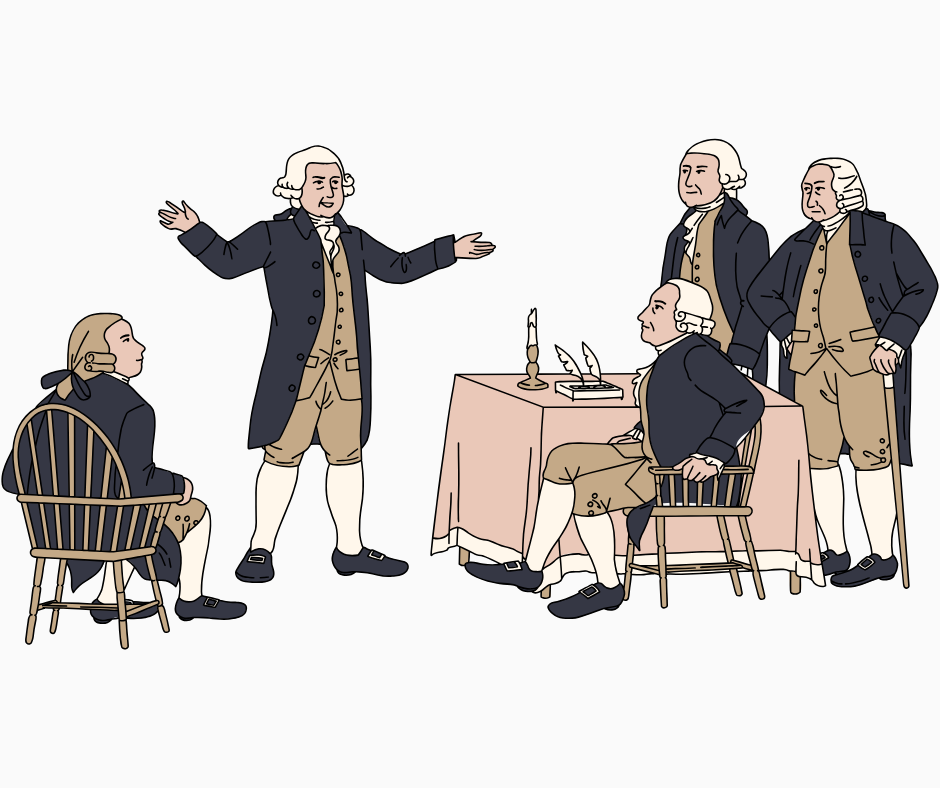
Developers may prioritize long-term adoption. Early investors may face unlocks or return targets. A foundation may fund grants. Token voters may prefer short-term incentives. Treasury managers may need to sell assets to pay expenses.
Token ownership can become governance power
If voting power is proportional to tokens, concentrated ownership can influence outcomes. Delegation and voter apathy can concentrate effective power further.
Reader risk: confusing a governance vote with full decentralization
A public vote may cover only some decisions while key infrastructure, treasury keys or legal rights remain elsewhere.
Build a control map: legal entity, treasury signers, upgrade authority, token distribution, voting participation and emergency powers.
Practice check — no money needed

Choose one fictional market move and write two different participant explanations for it. For each, state the incentive, observable evidence, reader risk and what would falsify the story. No money or live trading is needed.
The goal is not to identify a hidden actor with certainty. If you can explain the mechanism, name the main limitation and state what evidence would strengthen or weaken your explanation, the lesson has done its job.
How this connects to market mastery
Participant analysis sits between market mechanics and market interpretation. The same habit later supports execution analysis, liquidity assessment, risk control and scenario building: identify the actor, identify the constraint, then test the story against evidence.


