Why you should know this
Prices do not move because a chart decided to move. People, firms, protocols and infrastructure act for different reasons. Learning to separate who may be acting, what they may want, and what evidence we can actually observe helps us avoid turning a plausible story into a fact.
What retail is often trying to achieve
Retail incentives can include short-term profit, long-term savings, participation in a narrative, hedging local-currency exposure, learning, or simply following peers. Those incentives matter because they change time horizon and tolerance for volatility.
How crowding changes the market
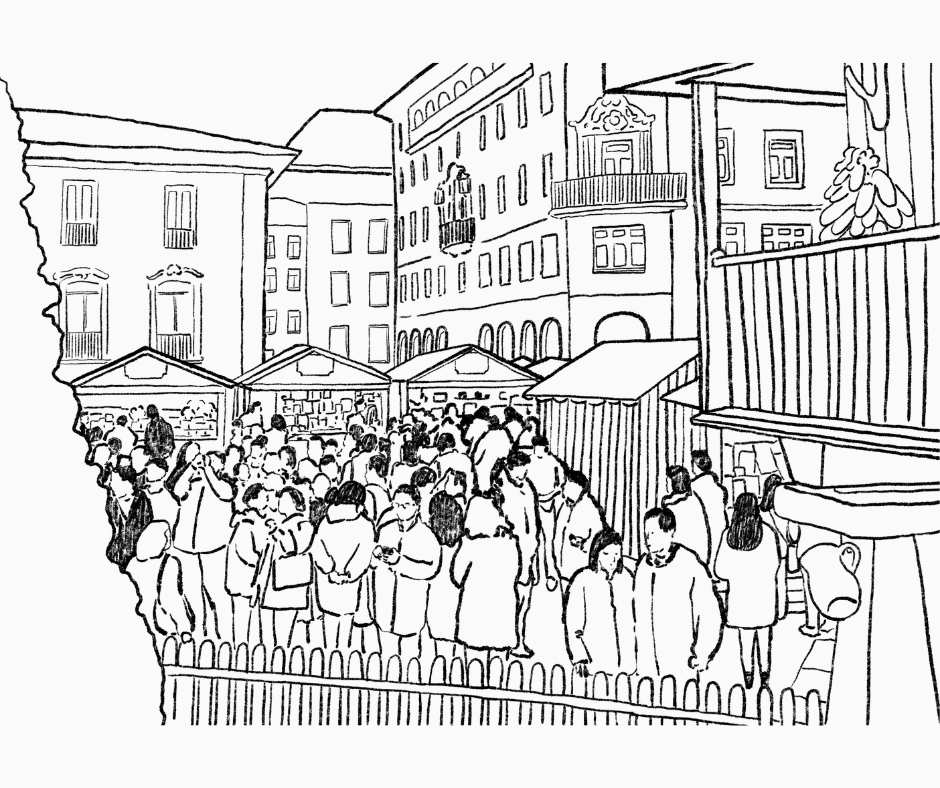
When many small traders chase the same breakout or narrative, order flow can become one-sided. That can accelerate price temporarily, widen spreads and increase slippage. If the move reverses, stop orders and liquidations can amplify the move in the opposite direction.
Reader risk: confusing popularity with evidence

A token can be widely discussed without being liquid, well governed or suitable for the reader. High engagement can measure attention rather than quality.
Before joining a crowded move, compare the narrative with liquidity, market depth, token supply, venue quality and your own loss limit.
Practice check — no money needed

Choose one fictional market move and write two different participant explanations for it. For each, state the incentive, observable evidence, reader risk and what would falsify the story. No money or live trading is needed.
The goal is not to identify a hidden actor with certainty. If you can explain the mechanism, name the main limitation and state what evidence would strengthen or weaken your explanation, the lesson has done its job.
How this connects to market mastery
Participant analysis sits between market mechanics and market interpretation. The same habit later supports execution analysis, liquidity assessment, risk control and scenario building: identify the actor, identify the constraint, then test the story against evidence.