
Why you should know this
A candle does not buy, sell, panic or provide liquidity. People and organizations do.
Some participants need pesos today. Some want a ten-year investment. Some quote both sides of a market every second. Others validate blocks, operate an exchange, fund a project or write the rules. They can look at the same asset and make opposite decisions without either person being irrational.
Knowing the groups does not let us read minds. It gives us better questions: Who needs immediacy? Who can wait? Who earns a fee? Who carries inventory? Who controls access? Who benefits if a story spreads?
That habit is a foundation for market mastery. We begin as coworkers learning the same room—not as people pretending we can see every hidden order.
The market is an ecosystem, not two teams

It is tempting to divide everyone into bulls and bears. Real markets are richer. A miner can sell some rewards to pay electricity while remaining optimistic about Bitcoin. A long-term holder can sell for a family need without changing a multi-year belief. A market maker can buy during a decline because its quote was hit, not because it predicts a rally.
An action reveals what happened; it does not always reveal the actor’s complete motive.
1. Retail traders

Retail traders are individuals using personal capital. Their time horizons range from minutes to years, and their experience varies widely.
Retail strengths include flexibility, small position size and freedom to wait. Weaknesses can include limited information, poor execution, social pressure, excessive leverage and trading with essential money. BIS research covering earlier market episodes found that smaller users often entered after price increases and suffered losses during reversals. That is evidence from a defined period, not a rule that every retail trader loses.
2. Long-term investors and HODLers

Long-term holders accept short-term movement because they expect future value or want a strategic allocation. When they refrain from selling, less supply may be immediately available at current prices. When conviction changes—or life requires cash—long-held supply can return to market.
Holding duration alone does not prove wisdom, profitability or permanent illiquidity. Wallet activity can be misclassified, and one address is not always one person.
3. Whales and large holders

A whale is an informal label for an entity whose position or order can matter relative to available liquidity. A large transfer may affect expectations before it affects actual supply.
Whales can be founders, funds, exchanges, custodians, treasuries or early users. An exchange wallet may represent many customers. Treating every large address as one secret trader creates false confidence.
4. Market makers and liquidity providers
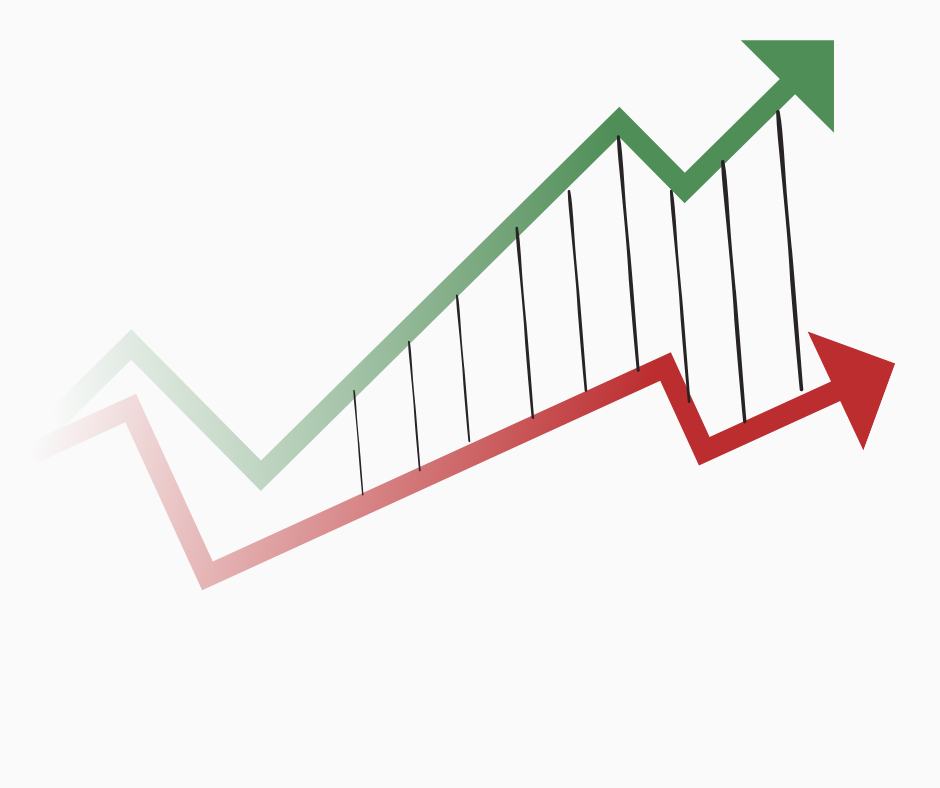
Market makers quote prices at which they are willing to buy and sell. They may earn spread, fees or incentives while managing inventory and adverse-selection risk.
They help other participants trade without waiting for a perfect counterparty. During stress they may widen quotes or withdraw liquidity because risk has increased. A thin order book can therefore become thinner exactly when traders need it most.
5. Exchanges, brokers and OTC desks

These participants organize access and execution in different ways. An exchange can match orders. A broker can arrange or execute for a customer. An over-the-counter desk can negotiate larger or customized transactions away from a public order book.
A single company may combine several functions, creating convenience and conflicts. IOSCO and FSB work highlights the importance of governance, custody, disclosure, conflicts and market integrity in multifunction crypto intermediaries.
6. Miners, validators and node operators

Networks need participants that propagate, verify and order transactions under protocol rules. Proof-of-work miners expend computing resources and may receive protocol rewards and fees. Proof-of-stake validators commit stake and perform validation duties, facing rewards and possible penalties under the network rules. Other nodes can independently verify without producing blocks.
These participants influence security, settlement and token supply economics. They are not the same as exchange traders, though they may sell earned assets or hedge costs.
7. Token issuers, foundations, developers and DAOs
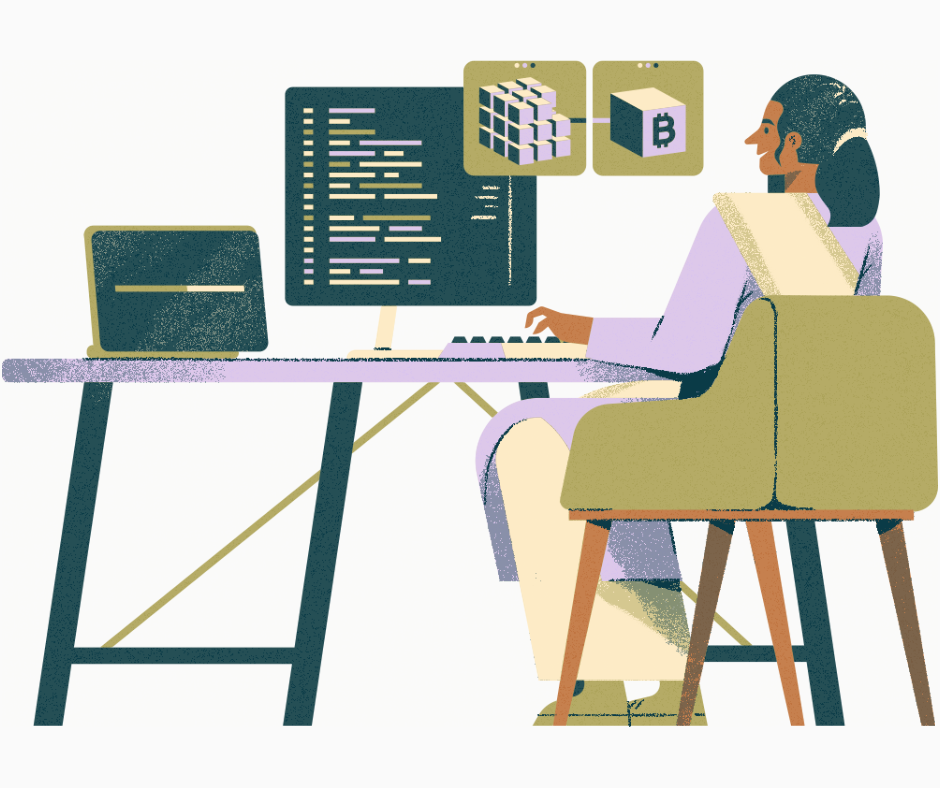
Projects may have a company, foundation, developer team, treasury, token holders, delegates and automated contracts. The word “decentralized” does not tell us who can update code, spend treasury assets, control keys, nominate delegates or communicate with exchanges.
Map actual powers. Governance tokens can provide a vote, but participation, delegation and concentrated holdings affect practical control.
8. Venture capital, funds and institutions

Professional investors can provide capital, expertise, connections and legitimacy. Their allocations may have different prices, lockups, vesting schedules and information rights from public buyers.
An institutional position is not proof of future profit. Funds also face liquidity needs, mandates, risk limits and investor redemptions. Their buying can create demand; their unlocks or exits can create supply.
9. Arbitrageurs and algorithmic traders

Arbitrageurs seek price differences across venues, instruments or time. Algorithmic traders automate quoting, execution or risk management.
They can help align prices, but the apparent difference must survive fees, transfer time, capital controls, inventory, funding, counterparty and settlement risk. Research by Makarov and Schoar documented meaningful historical cross-market deviations and barriers; it did not promise easy, risk-free profit for today’s reader.
10. Influencers, analysts and media

These participants compete for attention rather than directly providing every trade. They can improve understanding, spread a narrative, disclose research or promote a position.
Ask about evidence, compensation, holdings, timing and corrections. A popular voice may be sincere and still wrong. A paid promotion can be informative and still needs clear disclosure.
11. Regulators, banks and payment companies

Regulators shape the legal perimeter, disclosures, market conduct and consumer recourse. Banks and payment companies connect crypto services to fiat funding, settlement and final delivery.
They can expand access, impose controls or withdraw support based on law, risk and commercial decisions. In the Philippines, BSP rules and verification resources matter for covered activities, while other authorities may govern other products. Registration is not a guarantee of market value or recovery.
One person can wear several hats

A founder may hold tokens, publish commentary and direct a foundation. An exchange may operate a venue, custody assets, issue a token and run a trading desk. A community leader may educate users while receiving referral compensation.
Multiple roles do not prove wrongdoing. They create conflicts to identify and manage. Ask whether the relationship is disclosed and whether one role can benefit at the expense of another.
Build a participant map from evidence
For a fictional 12% price rise, create four columns:
| Question | Example answer | Evidence | What remains unknown |
|---|---|---|---|
| Who may demand liquidity? | Retail traders, funds, short-covering buyers | Volume, public filings, venue data | Exact identities and motives |
| Who may supply? | Holders, miners, treasury, market makers | Disclosures, on-chain transfers, order book | Whether transferred assets were sold |
| Who amplifies attention? | News, analysts, influencers | Timestamped posts and reporting | Causal effect on orders |
| Who controls access? | Venue, bank, payment provider, regulator | Official terms and rules | Internal risk decisions |
Use “may” where evidence is incomplete. A large transfer to an exchange can indicate possible sale preparation, collateral movement or internal custody reorganization. The honest analyst keeps alternatives alive.
Philippine and Asian perspective

Asian crypto markets span different currencies, banking hours, regulations, liquidity pools and retail behaviors. A price move on a global dollar pair may not translate perfectly to a PHP, JPY or regional market after spreads and access constraints.
For Philippine users, connect participant analysis to the final practical question: Can the user lawfully enter, exit to PHP and resolve a problem through an accountable provider? Market excitement does not replace provider verification or affordable risk boundaries.
How this connects to market mastery
Technical analysis describes what price and volume did. Fundamental analysis asks what creates value. Sentiment analysis watches attention and emotion. Participant analysis connects them by asking who had the ability and incentive to act.
The goal is not to invent a villain behind every red candle. It is to replace a vague crowd with a structured set of possible actors, constraints and evidence.
Key takeaways and check
- Crypto markets contain many participant groups, not only buyers and sellers.
- The same action can have different motives.
- Roles can overlap, creating conflicts that need disclosure and governance.
- On-chain, venue and media evidence rarely proves identity or motive by itself.
- Participant mapping improves questions; it does not make hidden information certain.
Market Explorer check: Map a fictional price move across demand, supply, attention and access. List two alternative explanations for the same large transfer.


