Why you should know this
The same peso symbol can sit on different legal and operational foundations.
Both can move pesos digitally
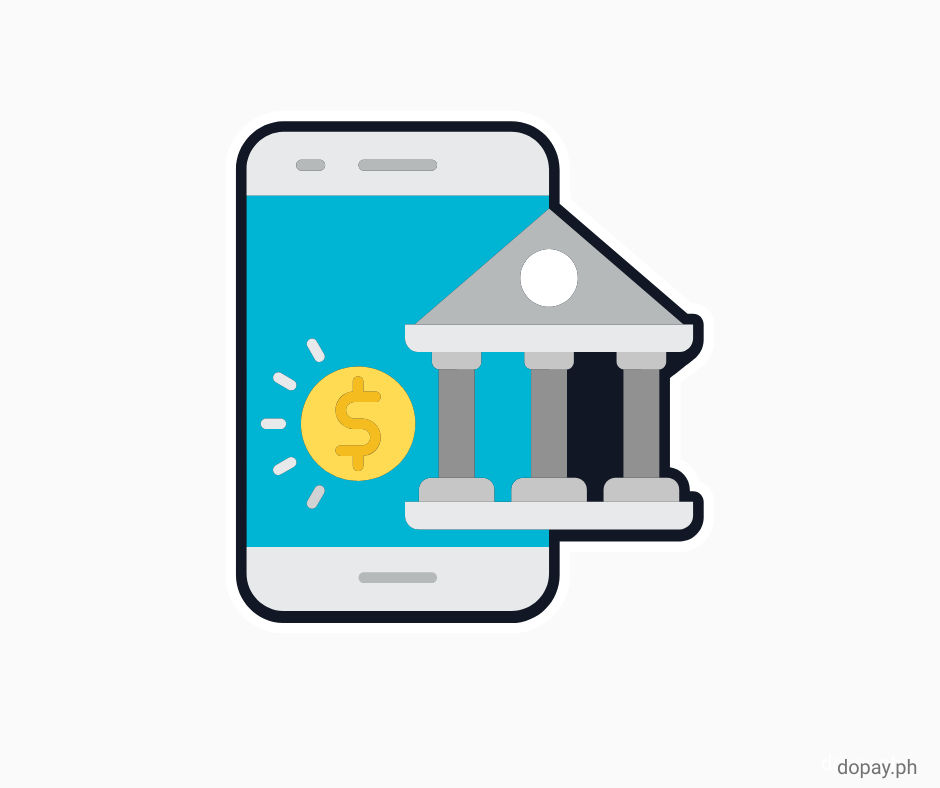
A bank deposit is an account liability recorded by a bank. E-money is electronically stored monetary value recorded by an e-money issuer under its arrangement.
Both may support transfers and payments. The issuer type, permitted activities, account terms and safeguarding framework can differ.
Compare the arrangement, not the logo
Ask who issued the balance, whether it is a bank deposit or e-money, which limits apply, how complaints work and what protection or safeguarding rules apply.
Use current official sources. Product labels and app design can change faster than basic concepts.
A familiar example
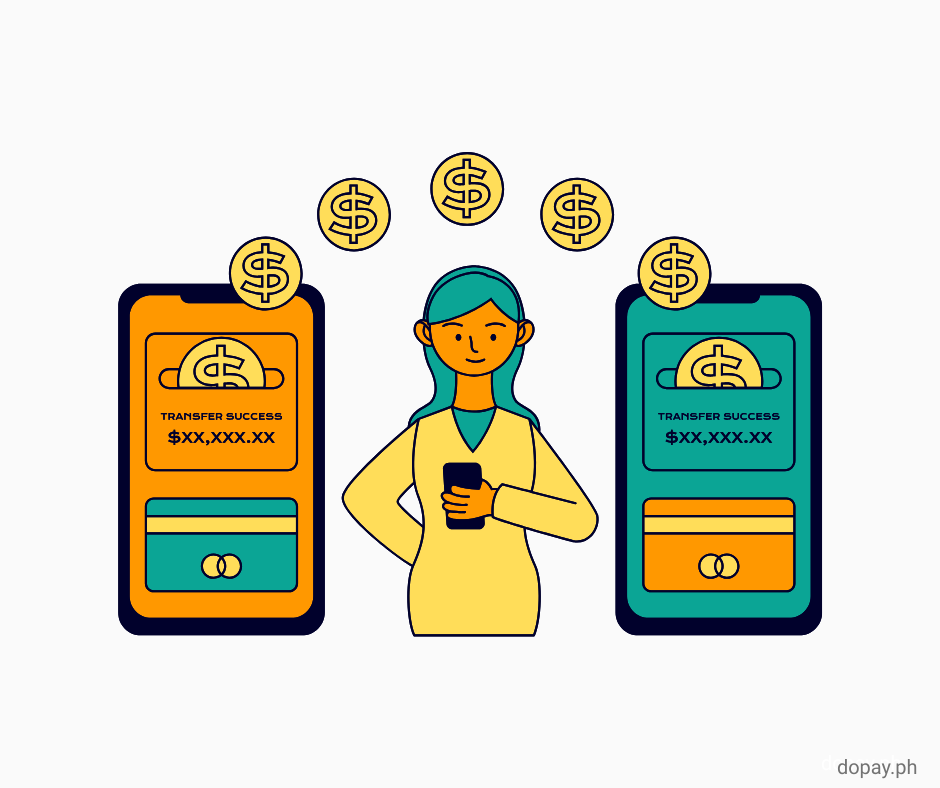
Maria keeps part of her household funds in a bank and part in an e-wallet for daily payments. Both show pesos. She checks access limits and support paths separately.
One limit to remember
This lesson does not declare one form universally safer. The right comparison depends on provider, use, amount, access needs and current protections.
How this connects to market mastery
Cross-border cost and risk comparisons require us to identify each balance type before measuring speed or convenience.
Quick check — no money needed
Create two columns—bank deposit and e-money—and write issuer, typical use and recovery contact for each.
If you can answer that clearly, this lesson is complete.