
Why you should know this
No single percentage fits every household. Obligations, income stability, debt and experience differ.
Start with the loss, not the dream
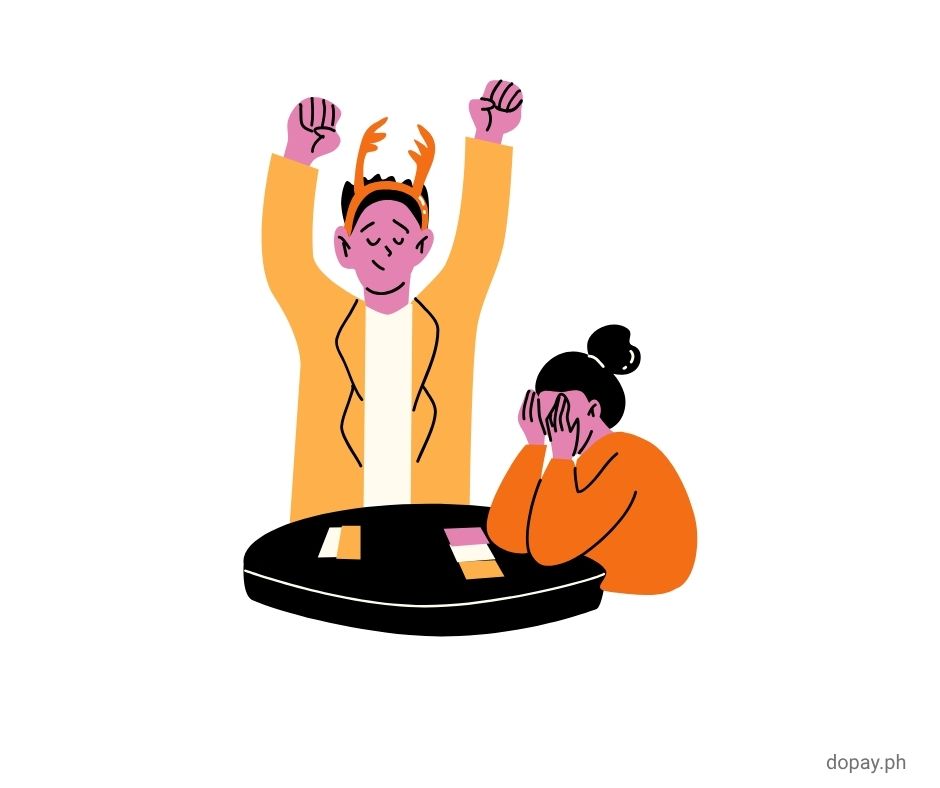
Imagine the amount becoming zero and unavailable tomorrow. Would rent, medicine, debt, education, remittance or emergency plans change?
If yes, the amount is too high. If the loss would cause panic or secrecy, it may also be too high.
A beginner can choose zero
Learning does not require buying. Observation, paper tracking and wallet-security practice can build skill without market exposure.
If a person later considers risk, a small amount should come only after essential funds and obligations are protected.
A familiar example

Carlo can mathematically spare ₱5,000, but losing it would make him chase the market. He chooses a smaller simulation first because emotional capacity matters beside financial capacity.
One limit to remember
This is an educational framework, not a personal allocation recommendation. A qualified professional may be appropriate for individual financial decisions.
How this connects to market mastery
Advanced risk systems still begin with the same question: what loss can the person or portfolio survive without breaking the plan?
Quick check — no money needed
Write a zero-loss-impact test: “If this amount disappeared, these protected plans would remain unchanged: …”
If you can answer that clearly, this lesson is complete.


