Why you should know this
The recipient is not the last technical step. The recipient is the person the entire remittance is meant to help.
A transfer can be correct on a blockchain yet arrive in the wrong form. A message can say “paid” while the bank balance remains unchanged. A recipient can receive pesos safely and then lose them to a fake-support call. Understanding the final steps protects the purpose of the transfer.
You do not need to learn trading, buy a token or predict a market to receive ordinary PHP. Even if crypto helped a regulated provider settle part of the route, the family’s task may simply be to verify and use pesos.
First, identify what actually arrived
Do not rely only on the sender’s screenshot or a text message. Open the official bank, e-wallet or provider application yourself, or use an official cash-pickup process.
Identify the balance type:
- Bank deposit: PHP held in a deposit account, subject to the institution’s terms and applicable protections.
- E-money: PHP-denominated value issued electronically, with rules and risks different from a bank deposit.
- Cash-pickup claim: a reference that must still be verified and collected through the approved outlet.
- Crypto asset: a virtual asset that may change in value and needs a separate conversion step.
The word “wallet” is not enough. It can describe an e-money account or a crypto wallet. Ask: what legal and economic asset is shown?
The recipient’s six-step routine
1. Confirm the sender safely

Use a familiar channel to ask whether the sender initiated the transfer, the approximate amount and the intended receiving method. Do not ask the sender to share a password, OTP or complete payment credential.
If the notification was unexpected, verify before opening links. A fake remittance message may try to collect a “release fee” or login information.
2. Check the official balance

Log in through the saved official app or typed official website—not through a link in a message. Confirm:
- recipient name or masked account;
- PHP amount;
- date and time;
- status such as available, pending or on hold;
- reference number;
- any disclosed fee.
A sender’s “complete” status may mean the sending stage ended. Your own account is the evidence of receipt.
3. Protect access before moving money
Use a unique password, device lock and the strongest available multi-factor authentication. Keep OTPs and recovery codes private. Update the app only through an official store.
No genuine helper needs remote control of your phone or your screen-sharing code. If someone calls immediately after a transfer and claims to be support, end the call and contact the provider using the number or channel in the official app.
4. Choose the job for the pesos
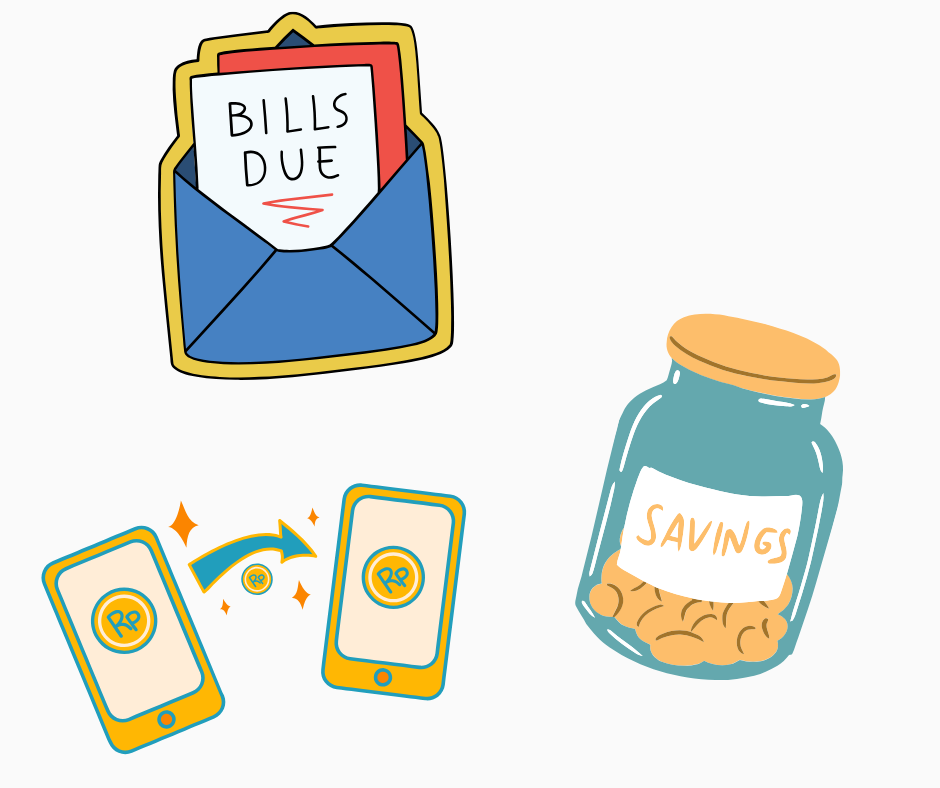
Decide before moving the balance:
- pay a bill;
- buy essentials;
- transfer to a bank or e-wallet;
- withdraw cash;
- keep part as emergency PHP savings, if appropriate.
You are not required to turn the money back into crypto. A promised bonus for “reinvesting” the family remittance is a separate, risky decision.
5. Compare fee, limit and access
The cheapest option on paper may be impractical if the ATM is far away or the receiving bank is unsupported. Check the complete cost:
- transfer or Withdrawal fee;
- ATM or outlet charge;
- daily and monthly limits;
- minimum and maximum amount;
- business hours or maintenance;
- travel cost and safety;
- whether the name and account match.
If cash is needed, consider withdrawing only what is necessary rather than carrying the full amount. This is a safety choice, not universal financial advice.
6. Save the record
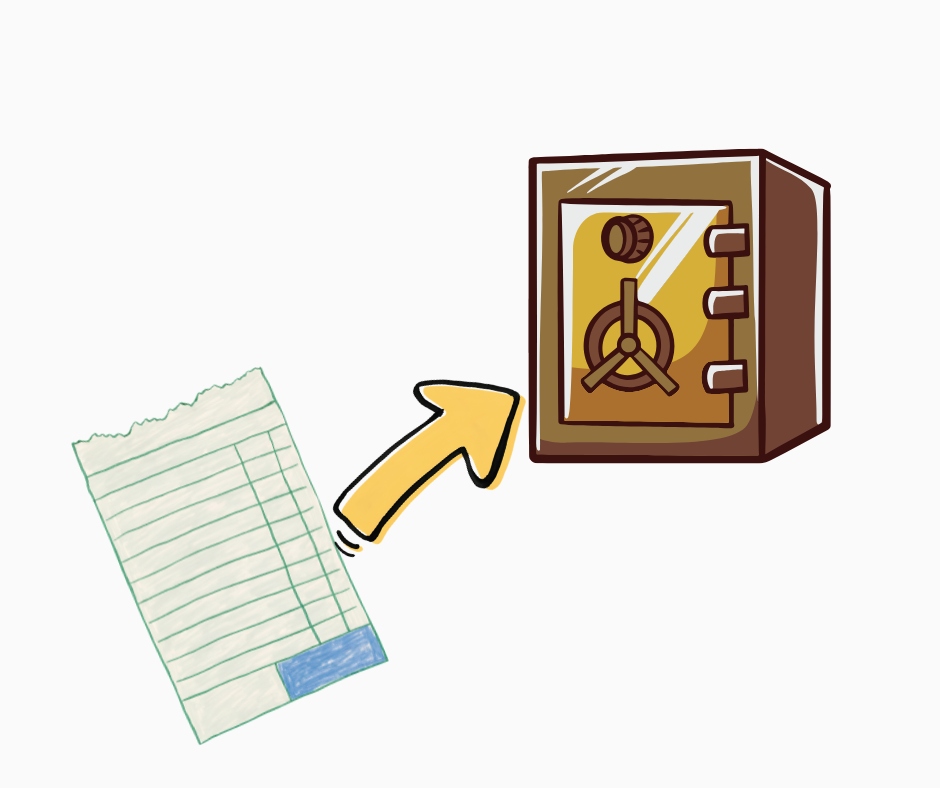
Keep the transaction ID, amount, date, masked destination and receipt until the family confirms the outcome. Store documents privately. Do not post a receipt publicly: even masked images can reveal names, balances or patterns useful to scammers.
Using PHP directly
When the balance is already PHP, direct bill payment or merchant payment may avoid an extra Withdrawal. But compare the fee and confirm the merchant or biller through the official directory.
For bank or e-wallet transfer, enter the recipient details carefully and read the confirmation page. Similar names do not prove the account number is correct. A small test can be sensible for a new destination when fees and circumstances allow.
For cash pickup, bring only the identification the official provider requires. Do not send an ID photo to a stranger who offers to “reserve” the cash. Check the outlet and hours using official information.
If crypto arrived instead of PHP
Pause. Do not trade because somebody says it is the only way to unlock the remittance.
Ask the provider through an official channel:
- What asset and network arrived?
- Is conversion to PHP supported for this verified account?
- What rate, spread and fee apply?
- What PHP delivery methods and limits are available?
- What happens if the recipient does not accept the conversion?
Do not send the asset to a private “agent” for conversion. Do not share a seed phrase. If the route was supposed to deliver PHP, the sender should also ask the sending provider why the actual outcome differs.
Avoid the five common recipient scams

Release-fee scam: A stranger says tax, gas or insurance must be paid to release pesos. Verify only with the responsible provider.
Fake support: A social-media account asks for an OTP, screen share or wallet recovery phrase. Official support should not need these secrets.
Wrong-transfer story: Someone claims money was sent accidentally and asks you to return it to a different account. Do not move it; report through your provider.
Investment conversion: A caller says the remittance must stay in crypto or earn yield. Receipt and investing are separate decisions.
Emergency impersonation: A message pretends to be the sender and demands urgent payment. Confirm through a known channel.
When the amount or destination is wrong

Do not “correct” the issue by sending money to a new address supplied in chat. First preserve the record and contact the institution that controls the current stage.
If the bank or e-wallet shows a pending credit, ask that provider. If the sending order is under review, the sender asks the sending provider. If a public network transfer went to the wrong address, recovery may be difficult or impossible; contact both relevant providers immediately without assuming reversal.
For a complaint, write a simple timeline: expected amount, actual amount, date, reference, status, action already taken and requested resolution. Keep the case ID.
Philippine support and escalation

Begin with the provider’s official consumer-assistance channel. The provider should be able to explain its status, requirements and complaint process.
For institutions supervised by the Bangko Sentral ng Pilipinas, the BSP Consumer Assistance Mechanism may provide second-level assistance after the consumer first raises the matter with the institution, subject to current scope and requirements. Verify the provider using official BSP resources rather than a social-media badge.
If identity theft or fraud is suspected, secure the account, notify the provider promptly and consider the appropriate official reporting channel. Do not let a community volunteer keep your ID, OTP or money “for investigation.”
A family scenario

Rosa receives a text saying PHP 12,000 is ready. The link asks for a PHP 500 verification payment. Her daughter confirms she sent money but says it should arrive in Rosa’s e-wallet.
Rosa ignores the link, opens the official app and sees PHP 12,000 available with no release fee. She pays an electricity bill inside the app, withdraws only the cash needed for groceries and saves the transaction record. She did not need to know which settlement technology the provider used.
A no-money practice
Draw a three-column checklist: verify, use, resolve. Under verify, list the sender, official balance and amount. Under use, list the needed PHP outcome and total charge. Under resolve, list the provider channel, evidence and escalation route.
Practice with imaginary information. Do not upload a real ID or expose account details for a lesson.
How this connects to market mastery
Market mastery starts with protecting capital and completing operations accurately. A trader who cannot distinguish available cash from a pending balance, or a fee from a quoted amount, cannot measure performance safely.
The recipient routine teaches asset identification, operational status, total cost and evidence control. Those basics remain relevant from a first remittance to advanced finance.
Key takeaways and check
- Verify receipt in the recipient’s official account.
- Know whether the balance is bank PHP, e-money, cash claim or crypto.
- Choose the simplest action that meets the recipient’s real need.
- Trading is not required to receive or use PHP.
- Protect credentials and escalate through official channels.
Safe Beginner check: In a fictional case, identify what arrived, how you would use it, every fee to check and the support evidence you would keep.