Why you should know this
A bank app, e-wallet, custodial crypto account and remittance app can all display a balance and a Send button. The screen does not tell us whether the balance is a bank deposit, e-money, a provider claim or a virtual asset controlled by keys.
Choosing by logo or speed can hide custody, insurance, return and complaint differences. We compare the actual service and legal entity.
What each category usually does
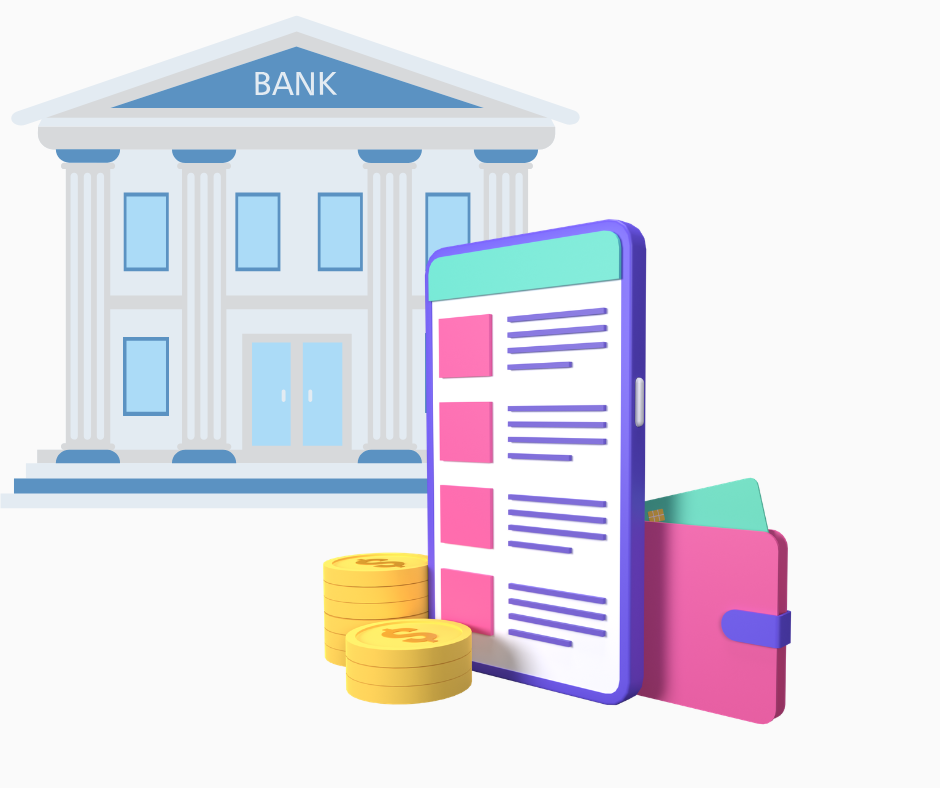
Bank: accepts deposits and provides payment, credit or other banking services under its authorization.
E-wallet or EMI account: stores and transfers e-money representing monetary value under applicable rules. It is not automatically a bank deposit.
Crypto wallet: manages authority over virtual assets. It may be custodial, where a provider controls keys, or self-custodial, where the user controls them.
Remittance provider: accepts and transmits value through supported corridors and payout methods. It may use banks, e-money, cash agents, payment systems or other rails behind the customer experience.
One company may perform several roles through different regulated entities. Check the exact activity.
Comparison table
| Question | Bank | E-wallet | Crypto wallet | Remittance provider |
|---|---|---|---|---|
| What balance? | Usually bank deposit | E-money or stored value | Virtual asset or provider crypto balance | In-transit or service balance |
| Who authorizes? | Customer plus bank controls | Customer plus issuer controls | Custodian or user keys | Customer plus provider/partners |
| Price risk? | Currency value risk | Currency value risk | Crypto, token and FX risk | FX and route terms |
| Recovery | Bank process | Issuer process | Provider or key-based | Provider/corridor process |
| Transfer rail | Payment systems/banks | Wallet/payment networks | Blockchain or internal ledger | Multiple partner rails |
| Recourse | Bank and regulator route | Issuer and regulator route | Varies by custody/provider | Provider and applicable regulator |
| Main beginner risk | Wrong payment/fraud | Account takeover/limits | Key loss/wrong network | Fee/rate/recipient access |
This is a starting map. The individual contract controls.
Money type and consumer claim
A Philippine bank deposit, e-money and virtual asset are distinct. The provider should disclose what the customer holds and who owes what obligation.
Do not assume deposit insurance applies to e-money or crypto. Do not assume a stablecoin equals a bank dollar. Do not assume self-custody gives a claim against a wallet developer.
The BSP Verifier distinguishes categories such as VASP, EMI and operator of payment systems. A listing identifies an entity/category; it does not endorse every product or asset.
Practice check — no money needed
Choose one fictional task—household bills, recurring remittance or self-custody learning—and compare two provider categories on final value, control, access and recourse.
The goal is not to memorize a slogan. If you can explain the route or decision, name the main limitation, and identify what evidence you would need before using real money, the lesson has done its job.
How this connects to market mastery
Market participants classify instruments, custodians, venues and settlement systems before comparing yield or price. The beginner service map is institutional due diligence in plain language.