Why you should know this
“Japan to the Philippines through crypto” can sound like one quick transfer. In practice it may involve a Japanese wage account, a Japan-side provider, a virtual asset, a blockchain, a Philippine VASP, PHP conversion and a bank or e-wallet. Each stage has a different authority and proof.
Mapping the complete journey protects families from two dangerous shortcuts: assuming a fast network makes the whole corridor legal and available, or assuming a Philippine registration authorizes local solicitation in Japan.
The corridor rule

A provider’s status must be checked for the exact activity and jurisdiction. A Philippine-regulated relationship is not a statement that the service is locally licensed or marketed in Japan. Japan-side solicitation, transfer, crypto-service and funds-handling questions require current Japan-qualified legal review.
This draft therefore uses neutral actors and marks all product availability as unverified.
Stage 1: the sender earns and controls JPY
Maria receives wages in Japan. The MHLW working-conditions handbook explains that wages are paid directly to workers and that transfer to a financial-institution account requires worker consent under the described framework.
Her employer may provide voluntary financial education, but should not take her password, KYC documents, account control or remittance funds. Maria chooses whether, when and how to remit.
Evidence:
- wage statement;
- sender-owned bank or payment account;
- lawful source-of-funds record;
- no shared credential or borrowed name.
Stage 2: choose the Japan-side entry

The sender must identify the exact service and activity: bank transfer, funds-transfer provider, registered crypto-asset exchange service or another lawful structure. The Japan FSA publishes lists of regulated providers and user-protection material.
A name on a list is not endorsement of a token, route or return. The sender also checks eligibility, residence, supported funding source, customer-name rules, fees, limits and whether cross-border transfer to the intended recipient is permitted.
If the sender uses a Philippine-regulated service while in Japan, legal review must establish the relationship, solicitation boundaries, access conditions and applicable Japanese requirements. Do not infer this from app availability.
Stage 3: fund the account
Maria sends JPY from her own supported source. She matches the account name and reference and waits for actual credit.
Possible failures include name mismatch, bank fraud controls, unsupported source, incorrect reference, cut-off, maintenance or account review. A bank debit is not provider credit.
Stage 4: convert JPY to the transfer asset

Maria receives an executable quote. She records:
- JPY amount;
- exact crypto or stablecoin;
- price and expiry;
- spread and fee;
- final token amount;
- available withdrawal networks;
- provider withdrawal charge.
If the asset is volatile, market movement can change family value. If it is a stablecoin, issuer, reserve, redemption, depeg and network risks still apply.
Stage 5: prepare compliance information

For VASP-to-VASP transfers, originator and beneficiary information may be required under applicable Travel Rule implementation. FATF standards and local laws are related but not identical.
Maria uses accurate legal names and requested address or account information. She does not send KYC images to an employer, recruiter, community administrator or chat-based “compliance officer.” Information belongs only in the verified provider process.
Stage 6: validate the transfer route

The receiving Philippine service publishes the exact asset, network, address and memo/tag. Maria performs MATCH from Academy 2 and sends a valid test.
She records the transaction hash. The recipient checks the actual account credit, not Maria’s screenshot. If the service requires additional confirmation or review, the blockchain can be final while account credit remains pending.
Stage 7: Philippine-side provider credit
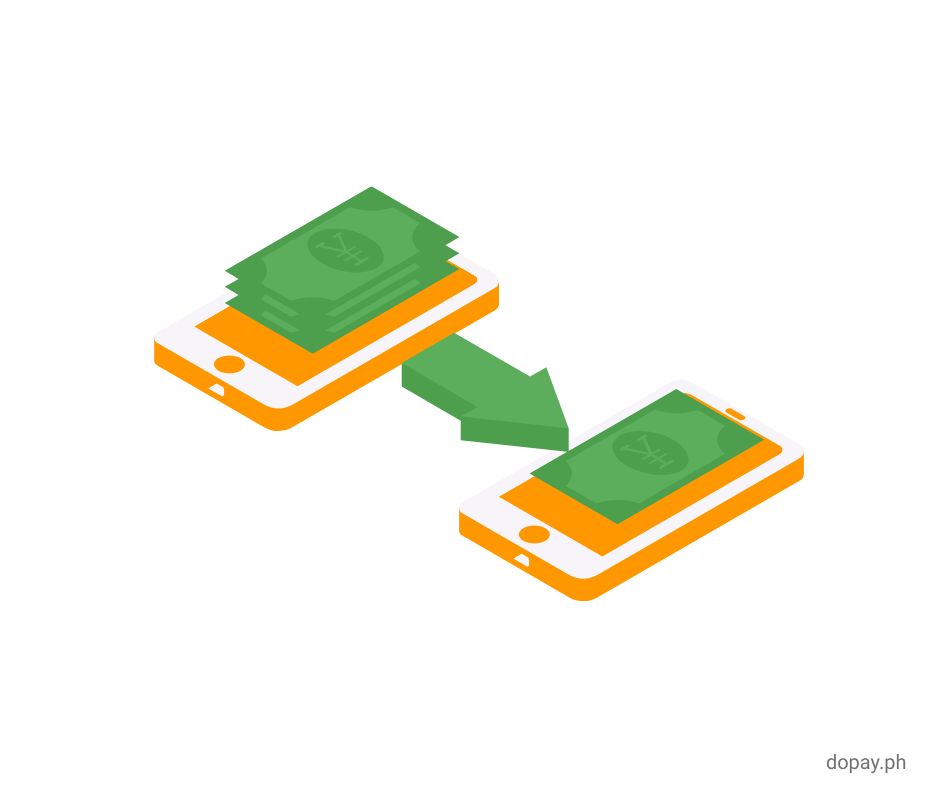
The Philippine provider identifies the customer, screens the transaction and credits the supported asset under its rules. BSP Circular 1108 sets VASP risk-management, due-diligence and wire-transfer expectations for covered Philippine services.
A delay does not automatically mean wrongdoing. The customer reads the authenticated notice and responds truthfully with relevant records. No legitimate review needs a seed phrase or unofficial unlock payment.
Stage 8: convert to PHP
The recipient or authorized customer reviews the sell quote, spread, fee and final PHP. A public USD/PHP or JPY/PHP comparison rate is not the same as the executable crypto-to-PHP quote.
The household decides based on final PHP and purpose. The recipient is not required to keep the token, speculate on price or learn trading.
Stage 9: deliver usable PHP

The PHP may remain as e-money, move to a bank, transfer to another account or be withdrawn through a supported route. The recipient checks identity, destination, fee, limit, timing and complaint channel.
Completion means the intended person controls usable PHP—not merely that a blockchain explorer says success.
The complete evidence chain
| Stage | Primary evidence | Owner |
|---|---|---|
| JPY source | Wage/bank record | Sender |
| Japan service | Current official status and terms | Sender/provider |
| Top Up | Debit and provider credit | Sender |
| Conversion | Executed quote | Sender/provider |
| Travel Rule | Authenticated information request | Providers/customer |
| Network | Address instructions and hash | Sender/recipient |
| Philippine credit | Deposit record | Recipient/provider |
| PHP conversion | Executed PHP quote | Recipient/provider |
| Final delivery | Bank/e-wallet/cash receipt | Recipient |
Do not place all evidence in a public group chat. Keep case data private.
Time is layered
- Japanese bank and provider hours;
- quote expiry;
- blockchain congestion;
- receiving confirmations;
- compliance review;
- PHP conversion liquidity;
- bank/e-wallet maintenance and cut-offs;
- holidays and weekends.
A network that runs continuously does not make all layers continuous. Promised delivery times require current product evidence.
Corridor risk register
Before sending, mark:
- Japan-side authorization and solicitation review;
- provider identities and exact activities;
- sender and recipient eligibility;
- asset and network support;
- stablecoin or market risk;
- total cost and final-PHP quote;
- Travel Rule data;
- refund, rejection and return treatment;
- complaint and escalation routes;
- privacy and recordkeeping;
- affordable-loss boundary.
Any unknown legal or availability item is a stop, not a marketing gap to fill with optimism.
OFW scenario

Maria hears at work that a new app can send crypto to the Philippines instantly. Her employer only provides an optional education session and official links. It does not register her, collect money or choose the service.
Maria independently checks the Japan-side service and receiving Philippine provider. Liza confirms that she wants PHP and can use the destination. They compare a traditional remittance alternative too. If the crypto route cannot prove legal structure, final cost or recipient access, they do not use it.
Who owns each problem?
A cross-border route needs a responsibility map. The Japan-side provider owns its customer onboarding, JPY funding and outbound instruction. A network transfer, if exposed, has technical evidence but no general customer-support desk. The Philippine-side provider owns incoming credit, conversion and its payout instruction. The bank or e-wallet may own the final PHP delivery stage.
When something stops, contact the institution controlling that stage. Sending the same complaint to everyone without a timeline can slow diagnosis. Preserve the sender order ID, asset/network, transaction hash if any, recipient reference, expected PHP and masked destination.
No participant should ask for a seed phrase or OTP to investigate. A provider may request identity or transaction information through an official channel, but that is different from requesting control of the account.
Compare the corridor with a conventional alternative

Before choosing the crypto-enabled path, quote a bank, licensed remittance provider or other supported alternative for the same sender amount and PHP delivery method. Compare final PHP, total fee and spread, timing, recipient access, data requirements and complaint route.
Japan and Asia are also developing fast-payment interconnections. A crypto route should win a real comparison, not an imaginary contest with old technology. The best method can change with amount, urgency, recipient account and regulation.
A pre-flight and arrival check
The sender’s pre-flight check covers provider status in Japan, account name, funding source, quote, asset, network, beneficiary information, limits, Travel Rule requirements and recipient delivery method. The recipient’s arrival check covers official PHP balance, actual amount, status, fee, identity of the delivering institution and safe use or Withdrawal.
Both parties agree on a single reference and communication method before sending. They also agree not to trust anyone who changes the destination in a private message.
What this article does not establish
It does not establish that a Japan-to-Philippines crypto corridor is currently offered by DOPAY or any named provider. It does not say a Japan registration permits activity in the Philippines, or the reverse. It does not promise that a blockchain route is cheaper, faster or available to a specific worker.
Those are publication-time and transaction-time facts. Verify them through regulators and current provider terms.
How this connects to market mastery
A corridor map is a settlement and counterparty map. Advanced participants use the same approach for arbitrage, treasury and cross-exchange movement: identify every ledger, jurisdiction, cut-off, controller and failure point before committing capital.
Key takeaways and check
- Japan-to-Philippines movement has legal, provider, network and household stages.
- Philippine status does not establish Japanese authorization or local solicitation rights.
- Travel Rule and KYC information belongs in verified provider channels.
- Completion is final usable PHP under the recipient’s control.
- The recipient does not need to trade crypto.
Developing check: Draw the nine-stage route, identify the evidence owner and mark every statement that needs current Japan, Philippines or product approval.