Why you should know this
A transfer advertised as “zero fee” can still be expensive if the exchange rate is weak. A visible network charge can look high while a better conversion rate produces more PHP. The only fair comparison begins with the same source amount and ends with the same recipient outcome.
World Bank Remittance Prices Worldwide treats the transfer fee and exchange-rate margin as core parts of total remittance cost and notes that recipient fees can also matter. Crypto routes add token conversion, network and off-ramp layers.
Fee and spread are not the same
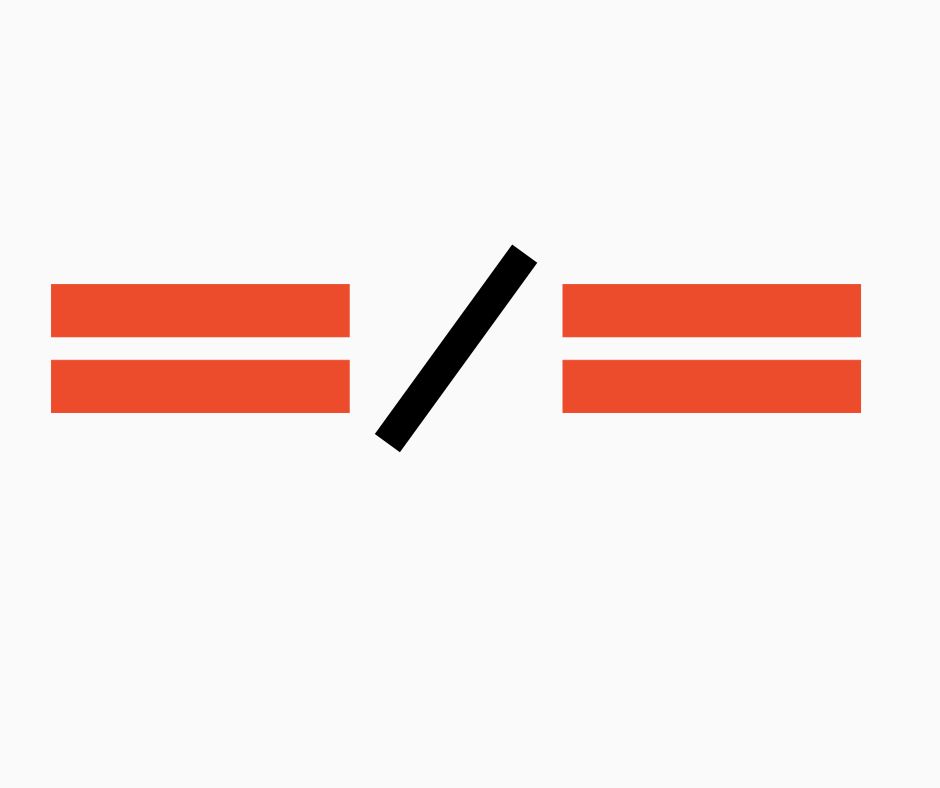
A fee is a stated charge. A spread is the difference between a reference or mid-market price and the executable customer price.
If a provider buys a stablecoin at ₱58.50 while a suitable comparison price is ₱59.00, the simplified spread cost is ₱0.50 per unit. On 500 units, that is ₱250 before any separate fee.
The difficult part is choosing a valid reference. A public USD/PHP rate does not include the crypto venue, time, amount or liquidity. Use it as a comparison, not a promise that the provider should execute there.
Fictional comparison
Maria has ¥50,000. These numbers are invented for practice.
Route A
- Funding deduction: ¥300
- Stablecoin bought after spread: 330 units
- Transfer and network deductions: 2 units
- Units converted in the Philippines: 328
- Executed PHP price: ₱58.70
- PHP Withdrawal fee: ₱15
- Final PHP: ₱19,238.60
Route B
- Funding deduction: ¥500
- Stablecoin bought after spread: 334 units
- Transfer and network deductions: 1 unit
- Units converted: 333
- Executed PHP price: ₱58.20
- PHP Withdrawal fee: ₱10
- Final PHP: ₱19,370.60
Route B has the higher funding fee but more final PHP in this fictional snapshot. We cannot call it “always cheaper”: quotes, limits, time and risk can change.
Practice check — no money needed

Use one fictional source amount and calculate the final PHP after every stated fee, spread or conversion. Do not compare routes until both end at the same recipient outcome.
The goal is not to memorize a slogan. If you can explain the route or decision, name the main limitation, and identify what evidence you would need before using real money, the lesson has done its job.
How this connects to market mastery
Execution analysis uses the same method: separate commission, spread, slippage, financing and settlement. A trader who learns total remittance cost can later evaluate all-in trading cost instead of celebrating a low commission.