Why you should know this
“Not received” is a symptom, not a status. Funds may still be in the sender account, pending provider approval, broadcast to the network, final on-chain, waiting for provider credit, under compliance review, rejected before movement or being returned through a new process.
The first safe action is to locate the stage. The worst first action is often sending another large amount.
Four words with different meanings
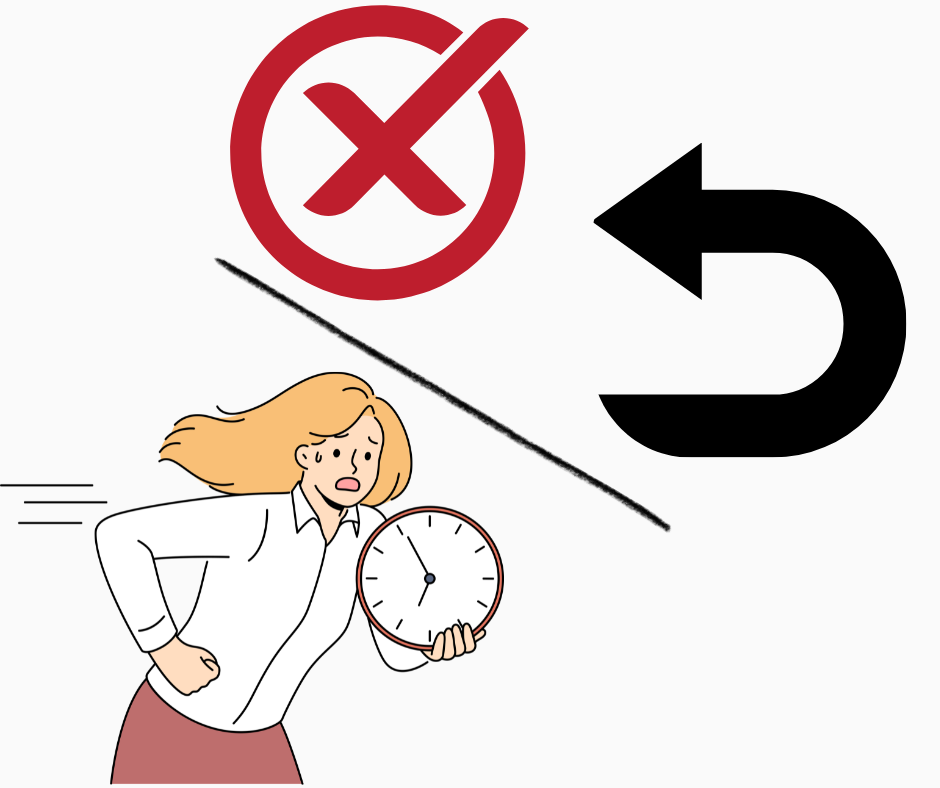
Delayed: the intended process continues but has not reached the expected stage.
Rejected: the provider or system declined the instruction before or during processing.
Failed: a technical or network instruction did not complete under its rules.
Returned: value is sent or credited back through a provider or new transaction after the original route cannot complete.
A return is not the same as reversing blockchain history. Rates and fees may not be restored.
The transfer-stage ladder
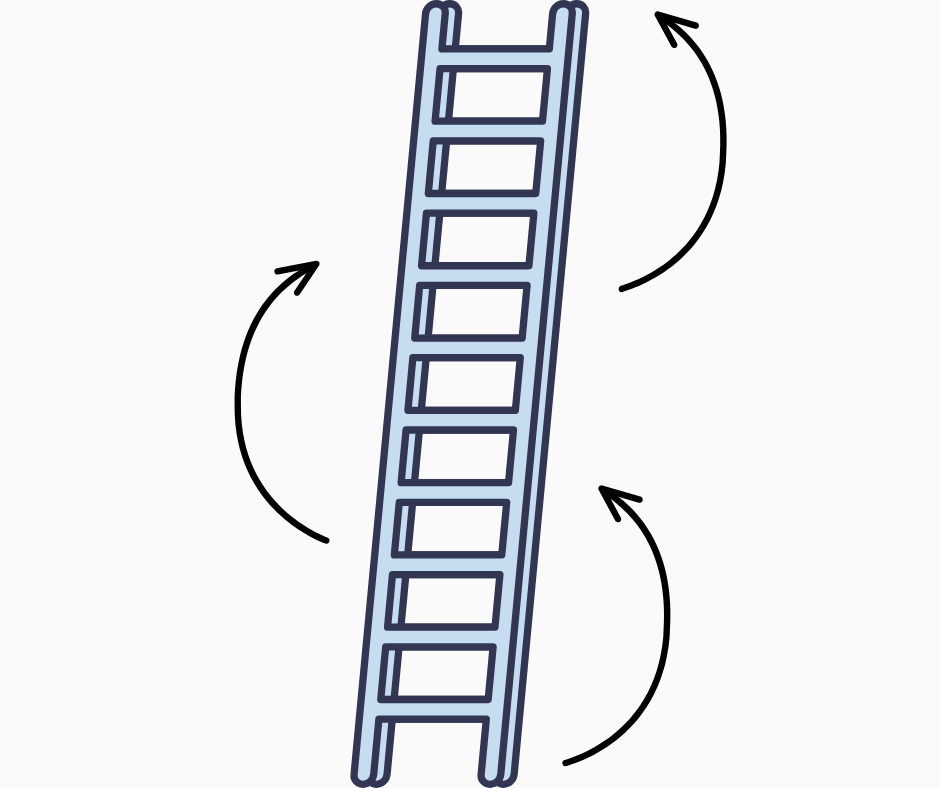
- Draft—not authorized.
- Submitted to sending provider.
- Pending security or compliance review.
- Withdrawal approved or queued.
- Broadcast to the network.
- Pending network confirmation.
- Confirmed or final on-chain.
- Detected by receiving provider.
- Waiting for required confirmations or data.
- Credited to receiving account.
- Converted to PHP.
- Withdrawn or transferred to final recipient.
Ask the provider which step its status describes.
Sender-side causes
- insufficient available balance;
- fee or minimum leaves too little;
- expired quote;
- incorrect password, MFA or withdrawal approval;
- new device or security hold;
- address allowlist waiting period;
- account or identity review;
- unsupported asset/network;
- provider maintenance;
- daily or transaction limit;
- source-of-funds or beneficiary information required.
Do not create a second account or split activity to bypass a review.
Network causes

A blockchain transaction can remain pending because of congestion, low fee, provider batching, chain conditions or technical problems. A transaction can fail under smart-contract or network rules.
Use the correct block explorer from official network documentation and search the transaction hash. A fake explorer or recovery site can steal wallet authority.
If there is no hash, the provider may not have broadcast the transaction. Ask the provider; do not invent one.
Receiving-side causes

- wrong network or unsupported token;
- missing/wrong memo or destination tag;
- deposit below minimum;
- required confirmations not reached;
- deposit address changed;
- receiving provider maintenance;
- Travel Rule information missing;
- beneficiary name/account mismatch;
- transaction monitoring review;
- unsupported jurisdiction or counterparty;
- internal crediting/reconciliation problem.
The network can show success while the receiving customer ledger remains uncredited.
Fiat-delivery causes

After crypto conversion, PHP delivery can still wait for:
- bank/e-wallet maintenance;
- incorrect account name or number;
- account limit or inactive destination;
- cut-off, holiday or partner outage;
- rejected cash-out;
- provider reconciliation;
- final fraud or compliance review.
Blockchain speed does not control a separate PHP rail.
What support needs

Prepare a minimal factual package:
- provider case number;
- asset and network;
- gross amount and fees;
- complete sending/receiving addresses;
- memo or tag;
- transaction hash;
- date, time and timezone;
- screenshots of current deposit instructions;
- sender withdrawal/debit record;
- recipient account/deposit record;
- requested sender/beneficiary information;
- concise purpose and relationship.
Submit only through the authenticated provider channel. Do not post full evidence publicly.
The STOP response

S — Stage: identify the last completed step.
T — Transaction evidence: collect hash, ledger record, amount and time.
O — Official channel: use verified provider support and obtain a case number.
P — Pause new transfers: do not pay an unlock address or repeat the main amount.
This does not guarantee recovery. It protects evidence and prevents avoidable second losses.
If the transfer is delayed

Check the provider status page or authenticated notice, network result and receiving account. Ask what remains outstanding and when to follow up under published process.
Do not demand a guaranteed completion time when the provider cannot lawfully or technically provide one. Do request a reference and clear statement of the affected feature.
If rejected

Determine whether value ever left. A rejected conversion may leave the original asset. A rejected withdrawal may remain in the provider account. A bank funding return may appear later and with different fee treatment.
Reconcile the exact balances. “Rejected” does not automatically mean money disappeared.
If returned
Ask:
- which value is returning;
- who initiated the return;
- destination account or address;
- network or fiat rail;
- transaction/reference number;
- deductions;
- exchange rate treatment;
- expected provider stage;
- action required from the customer.
A stranger cannot create a legitimate return by asking for a new deposit.
If the route was wrong

For missing memo/tag or unsupported network, contact the receiving provider with evidence. Recovery may be technically possible, operationally unsupported, fee-bearing or impossible.
Never share a seed phrase or OTP. A provider can investigate public transaction data and authenticated account ownership without controlling the user’s wallet.
Philippine scenario

Liza expects PHP, but her account shows nothing. Maria has a screenshot saying “completed.”
They locate the stages. Maria’s provider shows a transaction hash; the network is final; Liza’s provider shows the deposit under review for beneficiary information. They submit the requested non-secret details in the official portal and keep the case number.
They do not send another payment. The final outcome is still not guaranteed, but the diagnosis is accurate.
Scam warnings during delays

- fake support contacts the user after a public complaint;
- an “agent” asks for a release fee;
- a recovery site asks for a seed phrase;
- someone says a second transfer will push the first;
- a caller asks for OTP to cancel the transfer;
- a community leader asks for ID images to escalate.
Use provider-first support. For unresolved issues involving a BSP-supervised institution, BSP CAM may be an available second-level route.
Do not confuse correction with a second transfer
If a provider asks for a corrected beneficiary detail inside the existing official case, that may allow review to continue. If a stranger sends a new address and asks for another payment, that is a new transfer and a major warning sign.
Never send again until the first transaction is located. A delayed network transaction can later confirm, creating two valid sends. A returned provider order may also take a separate path and arrive in a different asset or amount under the terms.
Build a timeline, not a theory

Write the exact order of events: instruction created, funds paid, review requested, network hash issued, confirmations reached, receiving provider detected value, conversion started and PHP delivery attempted. Add timestamps and responsible institutions.
Then mark the first missing or contradictory event. This is more useful than guessing that “the blockchain is slow.” It tells you whether the sender, network, receiving provider or final payment rail owns the next action.
Special urgency does not remove controls
Medical bills, tuition and family emergencies are real, but providers may still be unable to bypass KYC, sanctions, fraud or transaction-monitoring checks. Plan a backup route for essential deadlines instead of paying an unofficial person to accelerate review.
If a provider needs additional documentation, ask for the exact item and secure upload route. Keep the case ID. Do not falsify purpose, split a transfer to avoid limits or ask another person to transact on your behalf.
A return reconciliation

When value returns, record the original sender amount, original fees, asset sent, asset returned, rate used, return fee and final balance. A difference may arise from disclosed non-refundable charges or price movement; it is not automatically proof of theft.
Ask the provider to explain the calculation. If the response is unresolved and the institution is supervised by the BSP, use the current consumer-assistance path after the provider’s complaint process where applicable.
How this connects to market mastery
Operational settlement risk affects available capital. A position can be profitable on paper while funds are unavailable because settlement is delayed. Professional risk management tracks states and evidence instead of treating every problem as price risk.
Key takeaways and check
- Delayed, rejected, failed and returned are different.
- Locate the last completed stage before acting.
- Network finality and provider credit are separate.
- Preserve a minimal evidence package and use official support.
- Never send more money or reveal a secret to unlock a transfer.
Beginner check: Diagnose three fictional cases—no hash, final hash/no credit, and rejected PHP Withdrawal—and choose the next official action.