Why you should know this
“Send money” can hide several different operations. A person may first add pesos, buy a digital asset, move it over a network, sell it and then pay or withdraw pesos. If we call all of that one transfer, we can miss the fee, custody change or compliance check that occurs between the steps.
The five-action map gives beginners and experienced users a shared language. It is not an instruction to use crypto. It helps us compare a proposed route before value enters it.
5. Withdrawal
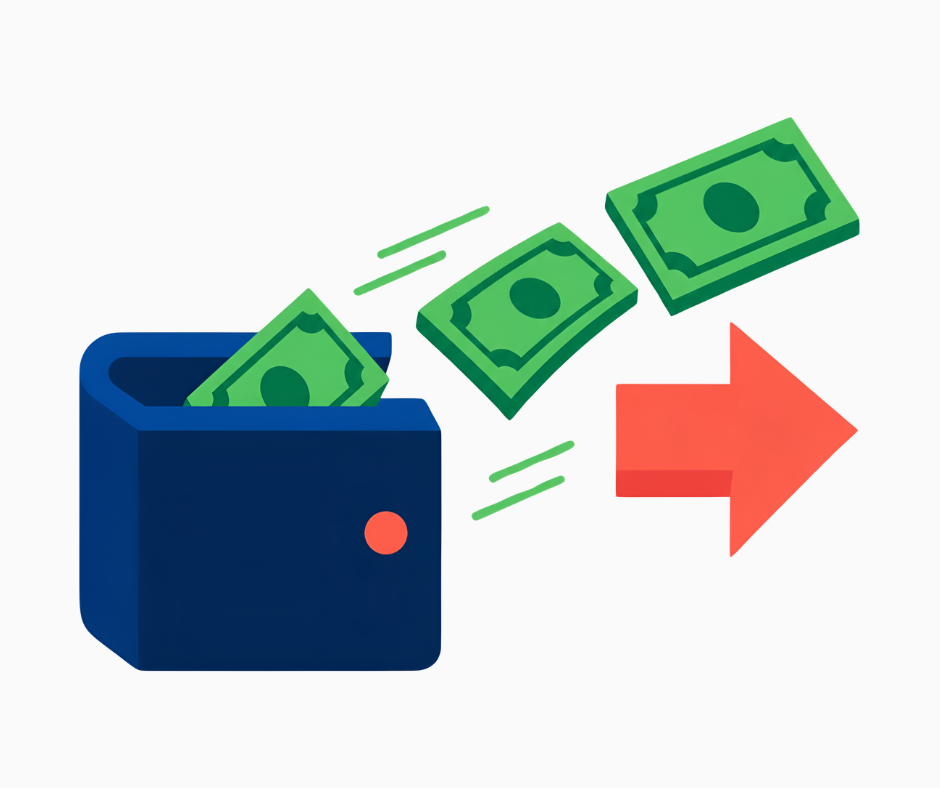
A Withdrawal removes value from a provider account. It may mean sending crypto to an external wallet or moving PHP to a bank, e-wallet or cash-out channel.
Check the destination type, supported route, minimum, provider fee, network fee, daily limit, expected processing and recipient name. A withdrawal request can be accepted, reviewed, rejected, returned or completed; those statuses do not mean the same thing.
Self-custody withdrawal changes responsibility. Provider login recovery no longer protects a private key or seed phrase. Fiat withdrawal changes the ledger again: the blockchain stage may be complete while the bank or e-wallet credit is still processing.
Common category mistakes
- Calling a PHP Top Up a crypto deposit.
- Treating an internal balance change as an on-chain transfer.
- Calling conversion free because no separate fee line appears.
- Assuming Withdrawal always means cash.
- Paying a stranger because the blockchain address is technically valid.
- Treating a transaction hash as proof that the intended household can use the money.
One action, five questions

Before pressing a button, describe the action in a complete sentence: “I am moving this kind of value, from this account, through this provider and network, to this destination, so the recipient can achieve this final outcome.” If any blank is unclear, pause.
Then ask five questions:
- What leaves? PHP, foreign currency, a specific token or e-money?
- What arrives? The same asset, a converted balance, a bank deposit or a merchant confirmation?
- Who has custody? You, a provider, a bank or a wallet controlled by another person?
- What can fail? Wrong network, unsupported asset, name mismatch, review, limit or delivery outage?
- Who can help? Which provider owns the current stage and what evidence will it need?
This is more useful than memorizing a button label. Two apps can call different operations “send,” while one moves value inside the provider and another broadcasts an irreversible network transaction.
Practice check — no money needed

Draw a five-box route using fictional values. Label only the action taught in this lesson, then write what value exists before and after it and who records the result.
The goal is not to memorize a slogan. If you can explain the route or decision, name the main limitation, and identify what evidence you would need before using real money, the lesson has done its job.
How this connects to market mastery
Professional treasury and trading operations also separate funding, conversion, settlement and withdrawal. The same map later helps readers calculate execution cost, counterparty exposure and operational liquidity. Mastery begins by naming the operation correctly.