Why you should know this
Crypto trades around the clock, but people, banks, stock exchanges, payment systems and government offices do not. That creates changing waves of attention, liquidity and news.
For readers in the Philippines or Japan, a clear clock helps with execution, event risk and cross-border planning. It does not tell us the direction of the next candle. It tells us when certain institutions and communities are more likely to be active.
First, remove a common misunderstanding
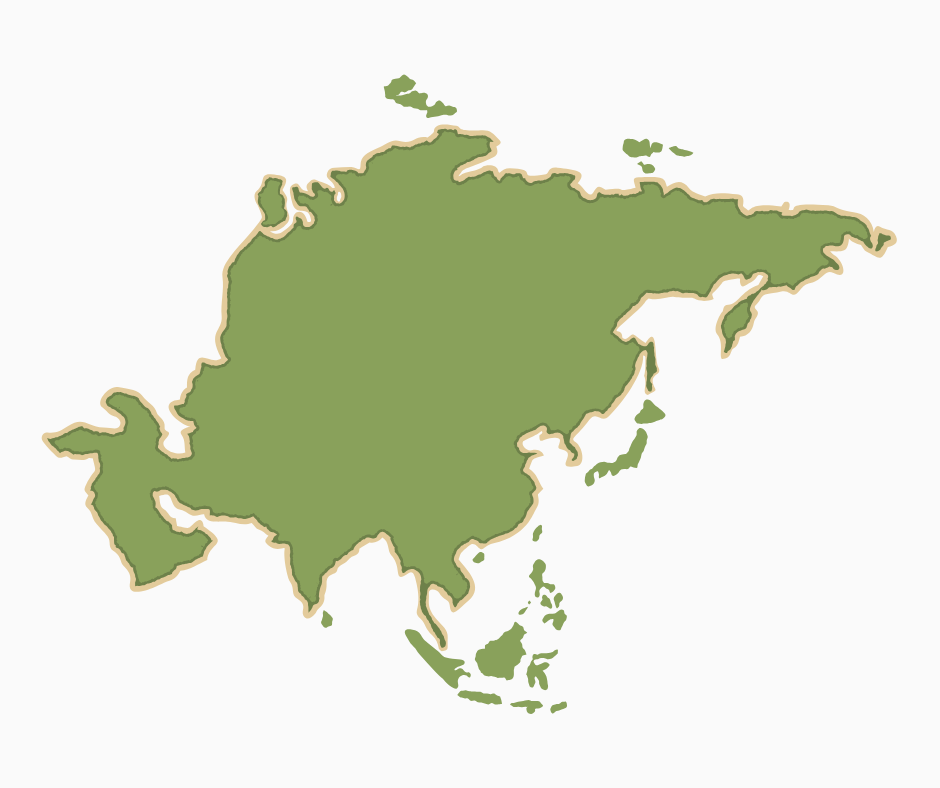
“Asian session” is market shorthand for a regional activity window. It is not an official crypto opening period. A crypto venue may operate continuously except for maintenance, restrictions or incidents under its own terms.
Traditional exchanges do publish formal trading hours. We can use the Tokyo Stock Exchange, Hong Kong securities market and Singapore securities market as context for when local financial activity is concentrated. Their hours are not crypto rules.
The time-zone map
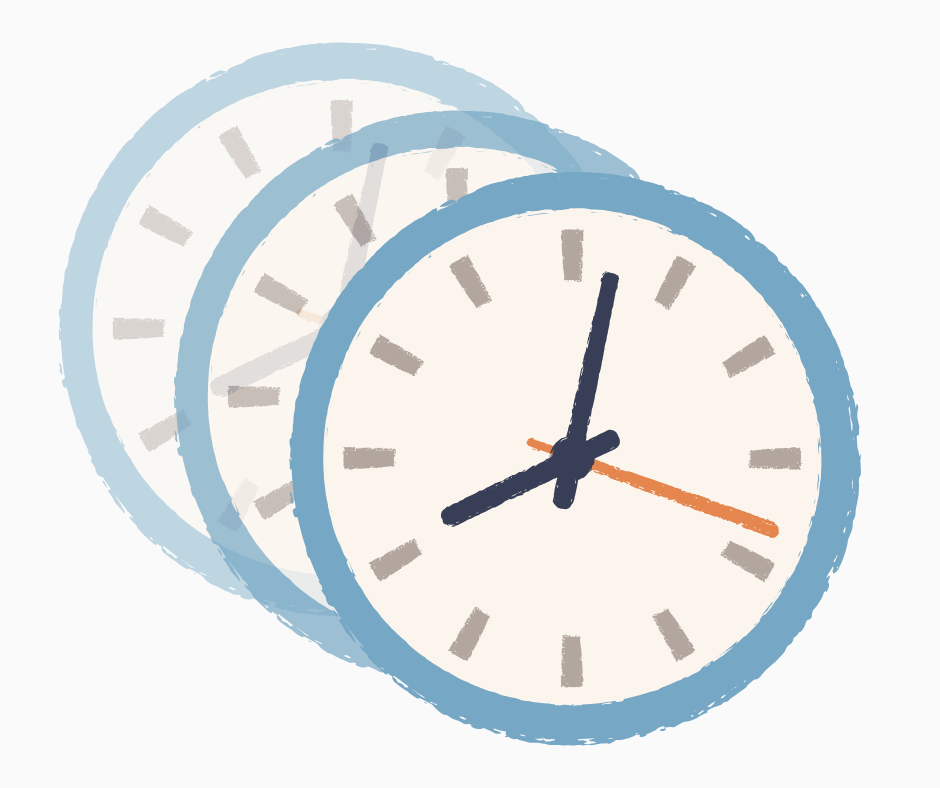
For normal civil time:
- Manila, Hong Kong and Singapore use UTC+8.
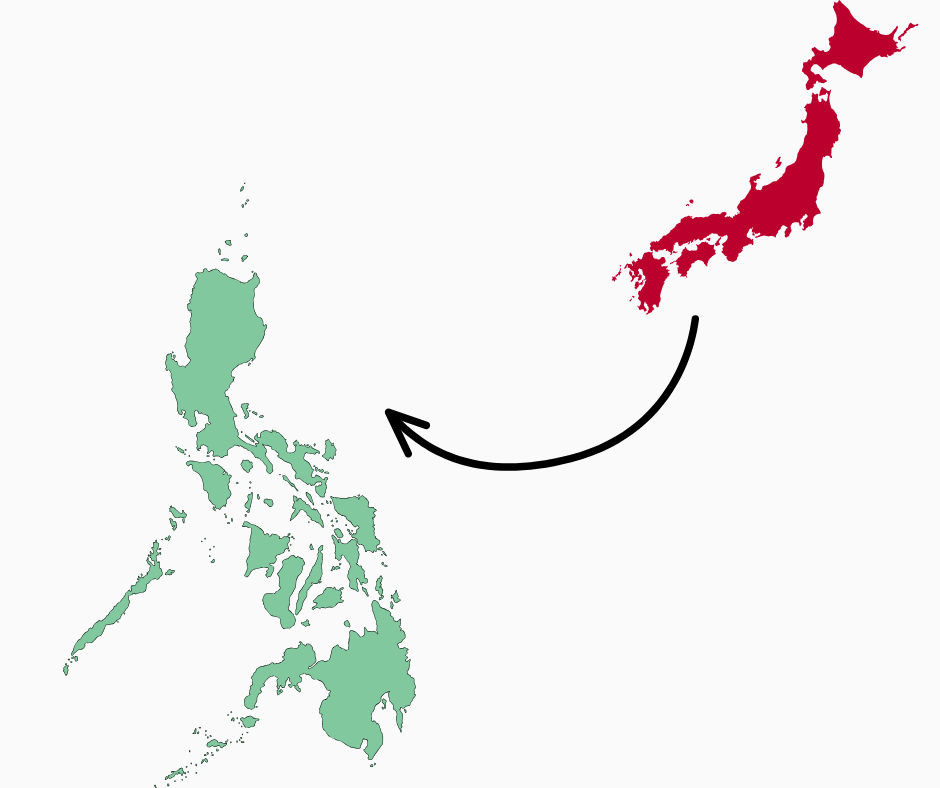
- Tokyo uses UTC+9, one hour ahead of Manila.
These locations do not normally use seasonal daylight-saving changes. US and some European clocks do, so their overlap with Manila can shift during the year. Verify every important event in the publisher’s stated time zone.
Traditional market anchors
Official schedules include auctions, lunch breaks and special arrangements. A simplified educational map should never replace the current exchange calendar.
| Location | Contextual anchor | Manila relationship |
|---|---|---|
| Tokyo | JPX domestic equity sessions and BOJ releases | Tokyo is one hour ahead |
| Hong Kong | HKEX securities hours and Hong Kong announcements | Same civil time as Manila |
| Singapore | SGX securities hours and regional finance activity | Same civil time as Manila |
| Manila | BSP releases, Philippine banking and payment operations | Base clock for Filipino readers |
Holidays differ. A normal Monday in one market can be a holiday in another.
Why activity can change by hour
Several mechanisms can matter:
- local traders and institutions begin work;
- fiat deposit, Withdrawal or OTC desks become active;
- economic data and policy decisions are released;
- equity and FX markets respond to news;
- liquidity hands over between Asian, European and US business hours;
- scheduled token or protocol events occur.
The effect varies by asset and venue. A token popular in Korea or Japan may have a different intraday pattern from one concentrated in US markets. Evidence must come from actual data, not stereotypes.
Event time is more important than a session label

A scheduled BOJ decision, BSP release or US Federal Reserve announcement can matter more than the broad regional window. Build the calendar from primary sources:
- official release date and stated time;
- time-zone conversion to Manila;
- affected currency or risk market;
- expected versus actual result only from reliable data;
- observed crypto reaction after the event.
Do not write “the event caused the move” simply because they happened close together. Check competing news, liquidity and the sequence of prices.
A Manila-based daily routine
Before the day begins:
- inspect the official BSP, BOJ and major global policy calendars;
- note holidays in Tokyo, Hong Kong, Singapore and the Philippines;
- mark asset-specific events;
- define the pair, venue and timeframe;
- identify periods when spreads historically widen for that route.
During an event:
- avoid relying on stale quotes;
- observe spread, depth and volatility;
- record exact timestamps;
- reduce certainty in interpretation while data are incomplete.
Afterward, compare what was expected with what was observed. A calendar is a risk map, not a prediction engine.
Cross-border and remittance considerations
Crypto settlement may continue while a receiving bank or e-wallet does not. A transfer initiated on a weekend can reach a blockchain address, yet fiat conversion or bank crediting may wait for provider operations, compliance review or local rails.
Always distinguish:
- blockchain availability;
- crypto-platform availability;
- fiat conversion availability;
- bank or e-wallet operating windows;
- recipient deadline.
This is why a “24/7 asset” does not guarantee a 24/7 end-to-end remittance.
Common mistakes
- Saying crypto opens in Tokyo or closes in New York.
- Copying stock-exchange hours as crypto hours.
- Forgetting Tokyo is one hour ahead of Manila.
- Ignoring US and European daylight-saving changes.
- Missing local holidays or exchange special arrangements.
- Assuming more activity means price must rise.
- Treating continuous blockchain operation as continuous fiat settlement.
A no-money Asian clock lab
Choose a future date. Using official calendars, create a Manila-time sheet with:
- JPX, HKEX and SGX contextual hours;
- scheduled BOJ and BSP items;
- one relevant US event;
- regional holidays;
- a separate line saying “crypto trades continuously; venue and service availability vary.”
After the date passes, record observed volatility and spread without claiming causation. Keep the original sheet so hindsight cannot rewrite it.
How this connects to market mastery
Timing connects market reading to execution, FX, news, liquidity and practical cross-border use. An advanced analyst does not merely know several time zones; they know which clock belongs to the asset, the event, the venue and the recipient’s real-world deadline. The basic habit—write the time zone—prevents surprisingly advanced mistakes.
Key takeaways
- Crypto is continuous; regional “sessions” are activity heuristics.
- Tokyo is one hour ahead of Manila; Hong Kong and Singapore share Manila civil time.
- Official exchange and central-bank calendars provide context, not crypto opening rules.
- Holidays, daylight-saving shifts and fiat rails matter.
- Scheduled events change risk, not guaranteed direction.
Completion check: Build a Manila-time market map with official sources, holidays, events and an explicit 24/7 crypto disclaimer.