
Why you should know this
A weekly outlook is not valuable because it sounds certain. It is valuable because it organizes evidence, identifies what matters and defines how the view will change.
This is a bridge from private learning to public responsibility. Once analysis is shared, wording can influence readers. We should be collaborative, transparent and careful—not assertive for entertainment.
1. Start with scope and timestamp

State:
- publication and data cutoff time;
- assets and pairs covered;
- currency and venue/data provider;
- timeframes;
- audience and educational purpose;
- material exclusions.
“Crypto outlook” is too broad if only BTC/USD was analyzed. A Filipino edition should state where PHP translation appears.
2. Write the week in facts

Summarize observed price, volume, volatility and liquidity. Use dated numbers and methodology if actual data are published.
Prefer: “BTC/USD closed the selected weekly interval above the prior range, while spot volume in the defined dataset remained below its 12-week median.”
Avoid: “Smart money has definitely started the next bull run.” The first sentence can be checked; the second bundles identity, cause and forecast without evidence.
3. Define the market state
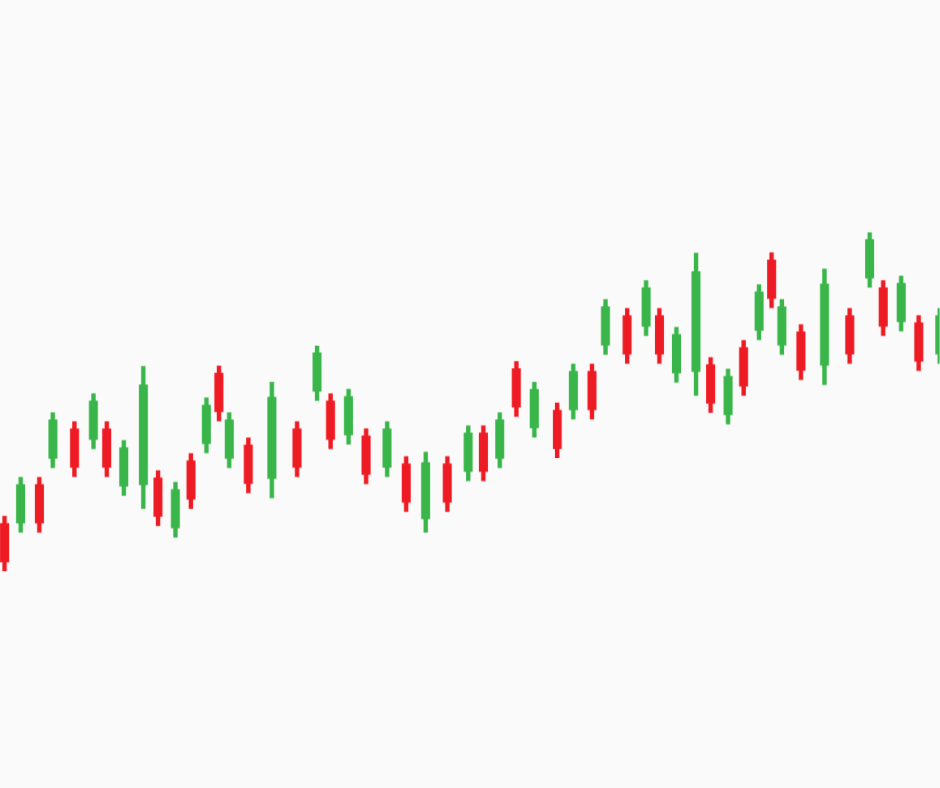
Classify trend, range, breakout attempt or transition on a named timeframe. Include:
- evidence supporting the label;
- evidence against it;
- confidence level;
- invalidation.
If timeframes conflict, describe the conflict rather than forcing agreement.
4. Build the event calendar

Use primary sources. Include only events with plausible relevance:
- central-bank and economic releases;
- regulatory deadlines;
- protocol upgrades or governance votes;
- token issuance or unlocks;
- known operational events.
List Manila time and the source’s original time zone. Distinguish confirmed schedule from estimate.
5. Add cross-asset and currency context
Briefly note stocks, USD, rates, gold, PHP or JPY only where they connect to the thesis. Do not fill space with unrelated macro data.
For Philippine readers, show whether a USD move and USD/PHP translation point in the same or opposite direction. For remittance readers, mention route volatility and deadlines without suggesting speculation.
6. Write three scenarios
| Scenario | Condition | Evidence to watch | What would weaken it |
|---|---|---|---|
| Base | Current structure persists | Defined price, volume and event observations | Stated invalidation |
| Upside | Market accepts above a defined zone | Follow-through and participation | Return into structure |
| Downside | Market loses defined support | Liquidity, volume and related markets | Recovery above invalidation |
These labels describe paths, not probabilities unless a defensible model produces probabilities. “Base” does not mean guaranteed.
7. State the risk box

Include:
- known event risks;
- liquidity and gap risk;
- data limitations;
- regulatory uncertainty;
- leverage warning where relevant;
- reminder that no participation is required.
For public publication, avoid personalized calls to buy, sell or allocate. Educational scenarios should help readers ask better questions.
8. Review last week first

Before publishing the new outlook, review the prior one:
- Which facts stayed valid?
- Which scenario occurred, if any?
- Was invalidation respected?
- What was missed?
- Did wording overstate confidence?
Do not delete the wrong view. A visible archive is a trust asset.
A reusable outlook outline
- Scope, audience and cutoff.
- One-paragraph executive summary.
- Previous-week review.
- Price, volume, volatility and liquidity.
- Market structure and regime.
- Cross-asset and PHP/JPY context.
- Verified calendar.
- Base, upside and downside scenarios.
- Risks, invalidation and data limitations.
- Sources and disclosure.
Editorial tone
Use language such as:
- “We are observing…”
- “One interpretation is…”
- “This would be weakened if…”
- “Readers may want to verify…”
Avoid urgency, shame and superiority. Everyone began without this vocabulary. The purpose is to learn together and survive long enough to improve.
Common mistakes
- Publishing without a data cutoff.
- Mixing facts and forecasts.
- Hiding the prior week’s failure.
- Listing every event without relevance.
- Changing levels after the outcome.
- Using “will” where evidence supports only “may.”
- Forgetting local-currency and route context.
A no-money historical outlook lab
Select the end of a past week and hide later data. Write the full outline with primary-source calendar items that were known then. Reveal the next week and score:
- source accuracy;
- internal consistency;
- scenario coverage;
- invalidation clarity;
- tone and uncertainty;
- hindsight edits—target zero.
Directional accuracy is only one observation and not the main grade.
How this connects to market mastery
The weekly outlook integrates everything learned so far: market variables, timeframes, states, cycles, Bitcoin influence, Asian timing, cross-assets, FX and news. It also prepares the reader for technical and fundamental theses. Mastery appears in the quality of updates, not the loudness of the original forecast.
Key takeaways
- Define scope, data cutoff and methodology.
- Separate observed facts from scenarios.
- Use primary calendars and named time zones.
- Include invalidation, risks and alternative paths.
- Review the archived outlook before writing the next one.
Completion check: Write a historical weekly outlook and evaluate it with the process rubric before changing any rule.


