Why you should know this
“Earn while trading” can sound effortless. In real market making, compensation exists because the participant provides executable liquidity while carrying risk.
Understanding that trade-off protects side-hustle liquidity makers from measuring only rewards. It also helps ordinary traders see why spreads widen and liquidity disappears during stress. We can learn the mechanism without promising that anyone should participate.
What market making means
A market maker places buy and/or sell orders, often on both sides, so other participants can trade with greater immediacy.
A simple two-sided quote might be:
- bid: buy at ₱99;
- ask: sell at ₱101.
If the maker buys at ₱99 and later sells the same quantity at ₱101, the gross spread is ₱2 per unit before fees, rewards, inventory movement and hedging.
That neat round trip is not guaranteed. The maker may fill only one side.
Inventory is the central risk

If sellers hit the bid, the maker accumulates the base asset. If price continues falling, inventory loses value. If buyers lift the ask, the maker may become short or underweight and face rising replacement cost.
Market making is therefore not neutral by default. Quote placement, size and rebalancing determine inventory exposure.
Adverse selection
The maker’s order may fill when another participant has faster information or urgent flow. A bid can be hit just before bad news pushes price lower. An ask can be lifted just before price jumps.
The spread and any eligible reward compensate for this possibility, but may be insufficient. A high fill rate can be a warning if fills occur mainly before adverse moves.
Queue and fill uncertainty
A maker at the best price may sit behind earlier orders. Improving the price can gain priority but narrow the spread. Increasing size can earn more gross reward while increasing inventory risk.
The maker constantly trades among:
- spread width;
- fill probability;
- queue position;
- inventory;
- volatility;
- fees and reward conditions.
There is no free setting that maximizes every objective.
A fictional maker cycle
Kai posts 1,000-unit quotes:
- buy 1,000 at ₱99;
- sell 1,000 at ₱101.
Both fill. Gross spread capture:
(₱101 − ₱99) × 1,000 = ₱2,000
Assume fictional total trading fees of ₱400 and an eligible reward of ₱200:
₱2,000 − ₱400 + ₱200 = ₱1,800
Now include ₱1,200 hedging cost and ₱900 adverse price movement on residual inventory:
₱1,800 − ₱1,200 − ₱900 = −₱300
Gross spread plus reward did not produce net income.
One-sided fill scenario
Only Kai’s bid fills at ₱99. Price falls to ₱90 and no buyer takes the ask.
The maker has 1,000 units with a ₱9,000 unrealized loss before fees. An attractive displayed reward cannot offset the inventory movement.
Risk must be calculated under one-sided stress, not only completed round trips.
What a Trade & Earn program may add
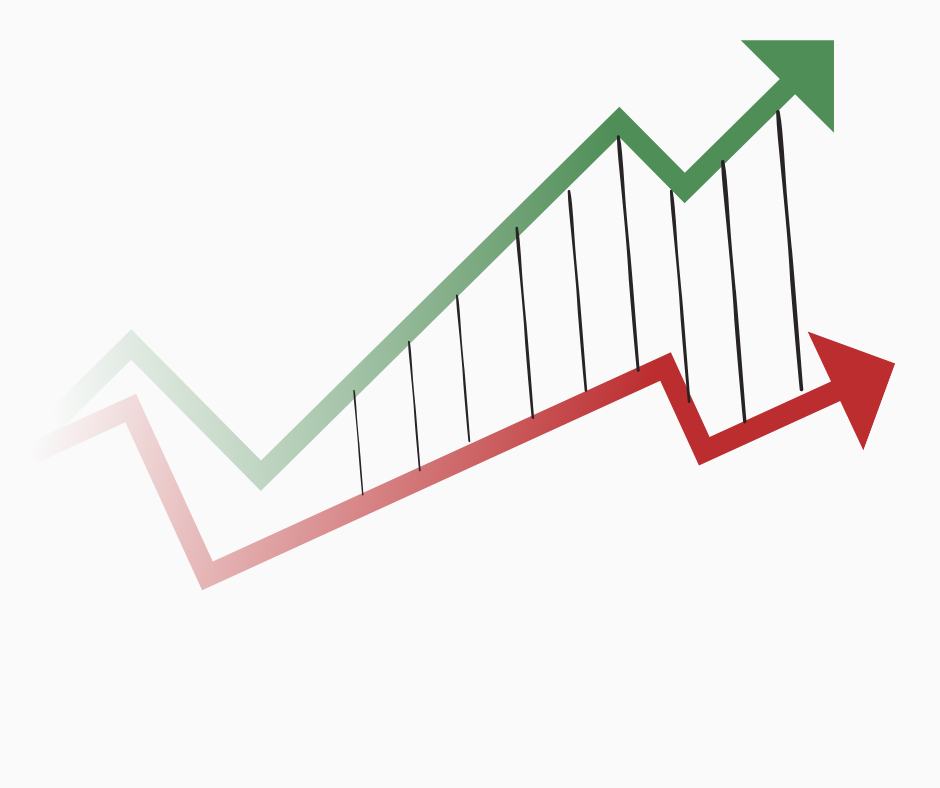
A program may, if currently approved, reward eligible maker activity under conditions such as:
- designated pairs;
- minimum quoted size;
- maximum spread;
- time in market;
- executed maker volume;
- account and KYC status;
- caps, tiers or exclusions;
- anti-abuse and self-trade controls.
These are examples of possible conditions, not statements about DOPAY. Actual terms must come from current approved product evidence.
Rewards should be measured net
Use:
Net maker result = Spread capture + Eligible rewards − Trading fees − Hedging cost − Inventory loss − Transfer/Withdrawal cost − Operational cost
Add taxes only with qualified advice and applicable facts. Record unrealized and realized inventory separately.
Do not publish an “ordinary earning” figure from a short sample. Results depend on market, capital, uptime, competition and risk.
Operational risk

Market making depends on systems:
- stale or delayed data;
- connection failure;
- rejected cancellations;
- duplicate orders;
- wrong quantity or price decimals;
- API key compromise;
- account restriction;
- venue downtime;
- reconciliation failure.
An automated quote can repeat an error faster than a human. Technical participation requires approved controls, monitoring and kill procedures.
Market-integrity boundaries
Legitimate liquidity provision intends to execute under the stated rules. Prohibited or abusive conduct can include wash trading, self-dealing or orders intended to mislead rather than trade, depending on law and venue rules.
Program participants must understand anti-abuse conditions. This article does not teach strategies for evading controls or manufacturing volume.
Capital is not idle cash
Maker capital supports open orders, inventory and settlement. Using money needed for bills or family remittance can force an exit at the worst time.
Separate:
- essential money;
- operational float;
- affordable risk capital;
- earned but unsettled or conditional rewards.
Gross account balance can overstate freely available capital.
The maker’s stop conditions
A responsible plan defines when to reduce or stop quoting, such as:
- volatility beyond the tested range;
- spread too narrow for measured risk;
- inventory beyond limit;
- data or connection uncertainty;
- unusual one-sided flow;
- fee or reward terms changed;
- inability to hedge or withdraw;
- unresolved reconciliation difference.
Stopping is part of market making, not a failure to earn.
Philippine and Asian context
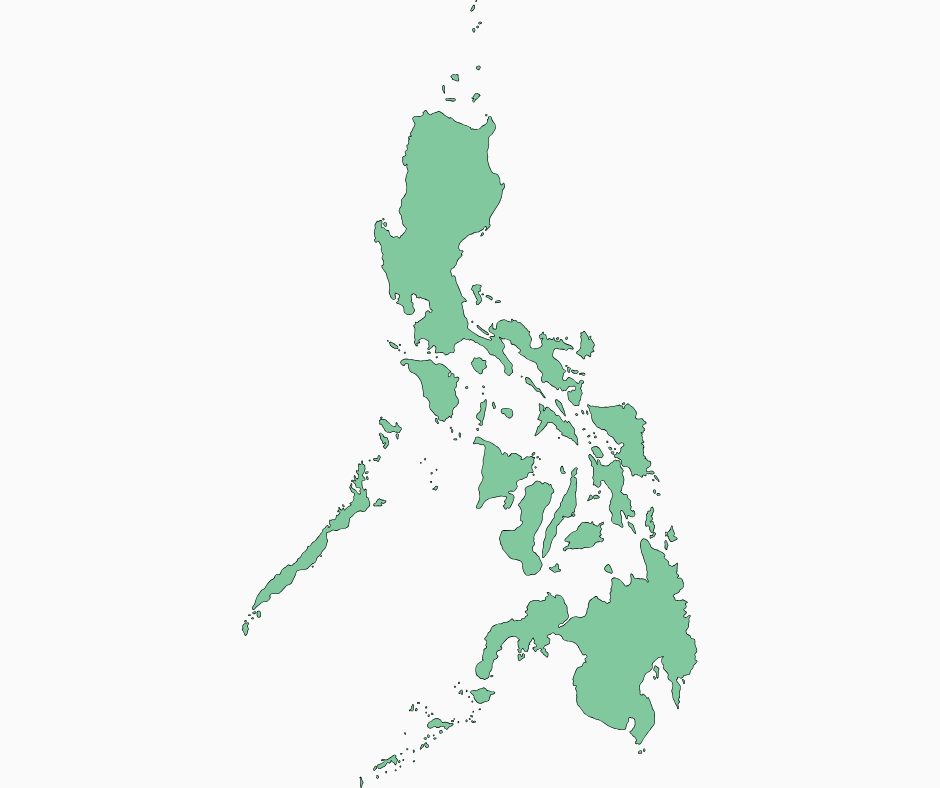
A local PHP pair may need liquidity but can expose the maker to PHP funding, banking and conversion constraints. A global hedge may use a different quote asset and create FX or stablecoin risk.
If participation is promoted to Philippine users, terms, eligibility, risks, fees, tax caveats and complaint channels need current review. Regulation should be presented as a trust layer, never as a guarantee of earnings or safety.
The EARN check

- E — Eligibility: current written conditions and exclusions.
- A — Adverse selection: post-fill movement and informed flow.
- R — Risk inventory: limits, hedges and stress loss.
- N — Net result: rewards after every cost.
If only the reward is measured, the record is incomplete.
Common mistakes
- Treating gross rewards as salary.
- Assuming both sides will fill.
- Measuring fees but not inventory movement.
- Quoting larger to chase a tier without stress testing.
- Running automation without monitoring and reconciliation.
- Using essential or remittance money as inventory.
- Assuming a program is live from an old document or screenshot.
- Confusing volume creation with legitimate liquidity.
A no-money maker lab
Create a spreadsheet-free paper simulation with a ₱99 bid and ₱101 ask. Draw ten random next-price cards between ₱90 and ₱110. On each turn, decide which side fills and mark inventory.
Calculate spread, fees, fictional reward and mark-to-market inventory. The purpose is to experience one-sided risk without money or automation.
How this connects to market mastery
Market making makes execution quality continuous. Every quote expresses a price, size, inventory decision and risk budget.
Mastery is not always being in the market. It is knowing when the expected spread and reward no longer compensate for selection, inventory and operational risk.
Key takeaways and check
- Makers provide immediacy while taking inventory and selection risk.
- Gross spread and eligible rewards are not net profit.
- One-sided fills can dominate many small rewards.
- Program terms and product capabilities require current evidence.
- Monitoring, anti-abuse controls and stop conditions are essential.
Advanced Trader check: Reconcile Kai’s fictional cycle and identify three reasons a higher fill rate could make the result worse.