
Why you should know this
Trading fees are often presented as a small percentage, but repeated costs compound. Maker and taker classifications also reveal what our order does to the book.
This matters for active traders, side-hustle liquidity makers and crypto-to-PHP converters. Yet fee reduction is only one part of survival. A rebate cannot repair adverse selection, slippage, inventory risk or a bad trade thesis.
Maker: adding executable liquidity

On a typical order-book venue, a maker order rests without immediately matching. It adds a price and quantity that another participant may later trade against.
Example: the best bid is ₱99 and best ask is ₱101. A buy limit at ₱99 may join the bid side. If a seller later accepts it, the resting portion is commonly classified as maker.
Maker does not mean the person created the asset or controls the market. It describes the order’s liquidity role at execution.
Taker: removing available liquidity
A taker order matches resting orders immediately and removes displayed liquidity.
A market order is normally taker. A limit order can also be taker if it crosses the spread. With a ₱101 ask, a buy limit at ₱102 can execute immediately against asks. Its price boundary is ₱102, but its liquidity role is taker.
Order type and fee role are related, not identical.
Why venues may charge differently

Venues need orders on both sides for trading to happen. A maker-taker schedule may charge makers less, charge takers more or sometimes provide eligible maker rebates under defined conditions.
The economics can encourage displayed liquidity. They can also influence order routing and create conflicts, which is why fees and rebates should be evaluated alongside execution quality.
Never assume maker fees are always lower or negative. Each venue, product, account tier and period may differ.
Basic fee calculation
A simplified trading fee is:
Executed notional × Fee rate = Trading fee
Suppose a fictional ₱50,000 execution has a 0.20% taker fee:
₱50,000 × 0.002 = ₱100
At a fictional 0.10% maker fee:
₱50,000 × 0.001 = ₱50
The visible difference is ₱50. Whether waiting for maker execution was better depends on the fill, market movement, spread and opportunity cost.
A partly marketable limit order
The best ask has 200 units at ₱10. A trader submits a buy limit for 500 units at ₱10.
- 200 execute immediately: taker portion.
- 300 remain on the book: potentially maker if filled later.
At fictional rates of 0.20% taker and 0.10% maker:
Taker notional:
200 × ₱10 = ₱2,000
Taker fee:
₱2,000 × 0.002 = ₱4
Maker notional if the remainder later fills:
300 × ₱10 = ₱3,000
Maker fee:
₱3,000 × 0.001 = ₱3
Total fictional fee: ₱7. The order can have two classifications.
Post-only and similar controls
Some venues offer a post-only instruction intended to reject an order that would execute immediately. This may help a trader avoid accidental taker treatment.
But post-only availability and behavior are product-current facts. Rejection can also mean the trader misses the market. It does not guarantee a profitable maker fill or continuing eligibility for any program.
Fee tier is not permanent
Fee schedules may depend on rolling volume, account status, product, region or other conditions. A trader can move between tiers. A screenshot from another user may be irrelevant.
Before a real order, verify:
- the active account’s fee page;
- the specific product and pair;
- the fee asset;
- whether tax or other charges apply;
- when a tier recalculates;
- whether a reward has eligibility, caps or exclusions.
Do not publish current DOPAY rates or Trade & Earn terms without accountable product evidence and publication approval.
The maker’s hidden cost: adverse selection
A resting buy order may fill when informed or urgent sellers arrive because price is about to fall. A resting sell may fill just before price rises.
The maker saved a fee but acquired an unfavorable position. This is adverse selection: execution occurs when the other side may have an advantage.
Fee savings must be compared with post-fill price movement, inventory and hedging cost.
Queue and missed-fill cost
A maker order may sit behind earlier orders at the same price. The market can touch the level without reaching our queue position. If price moves away, the order earns nothing and the intended task remains unfinished.
For a practical converter who needs PHP by a deadline, a small fee saving may be less important than controlled completion. For a patient trader, taking liquidity unnecessarily may be wasteful. Purpose decides the trade-off.
Maker rewards are not wages
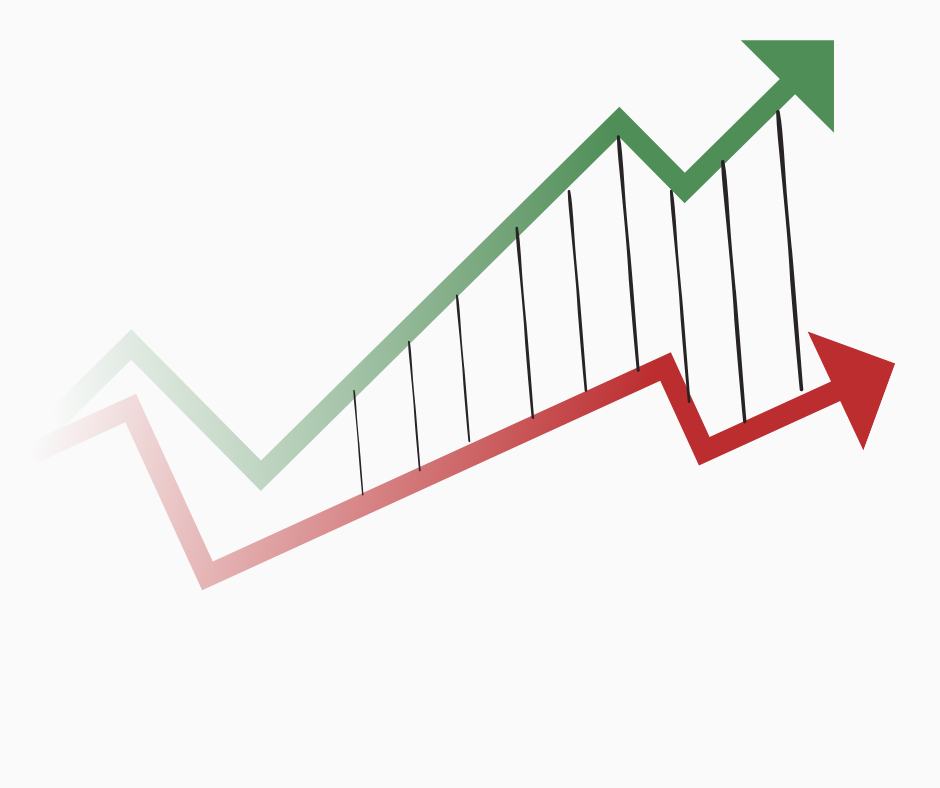
A liquidity or Trade & Earn program may reward eligible activity. The word eligible is essential. A reward can depend on quoted size, time, pair, spread, volume, account status, anti-abuse rules, inventory or program changes.
Costs may include:
- trading and hedging fees;
- adverse selection;
- inventory price movement;
- capital tied up;
- failed or cancelled quotes;
- transfer and Withdrawal costs;
- operational and tax obligations.
Gross rewards are not net income. No ordinary earning amount, ceiling or return should be stated without current approved evidence.
When lower fees produce a worse result
Maria wants to buy at a ₱100 ask. She rests a maker bid at ₱99.50 to save ₱25 in estimated fees. Price rises to ₱105 without filling her. She then buys at ₱105.
The fee plan saved nothing and the delayed execution cost much more. The lesson is not “always take.” It is to compare fee savings with the probability and consequence of non-fill.
When taker urgency is self-created

Social-media excitement can make every order feel urgent. Paying taker fees and crossing a wide spread for an unverified rumor is not operational necessity.
Slow down the information decision first. Execution optimization cannot rescue a weak reason for trading.
Philippine and Asian context

For a Philippine crypto-to-PHP route, calculate the entire chain:
- maker or taker trading fee;
- spread and slippage;
- conversion or provider fee;
- network cost if transferred;
- Withdrawal or receiving cost;
- final usable PHP.
A low maker fee on the first trade can be irrelevant if the final PHP market is thin or the exit route is expensive.
The MAKER check

- M — Marketability: will the order cross now?
- A — Adverse selection: why might the other side choose to trade with it?
- K — Queue: how much rests ahead?
- E — Eligibility: which current fee or reward conditions apply?
- R — Result: net execution after price movement and all costs?
This moves the conversation from “What fee did I pay?” to “What result did I obtain?”
Common mistakes
- Assuming every limit order is maker.
- Comparing fee percentages without comparing fill prices.
- Treating a rebate as guaranteed income.
- Ignoring mixed maker/taker treatment on partial execution.
- Using another user’s tier or an old screenshot.
- Chasing maker status when completion matters.
- Ignoring inventory, adverse selection and final PHP costs.
A no-money fee lab
Create a fictional ₱20,000 order. Calculate fees at 0.10%, 0.20% and 0.40%. Then add a 0.50% worse fill to the lowest-fee case.
Compare the peso effect. The exercise shows why price quality often dominates a small fee difference.
How this connects to market mastery
Maker/taker analysis links order choice to market structure. It prepares us to measure slippage, fill rate, effective spread and post-trade price movement.
Mastery is not paying the smallest visible fee. It is choosing a liquidity role that fits purpose, then proving the total result with records.
Key takeaways and check
- Makers add resting liquidity; takers remove available liquidity.
- A limit order can be maker, taker or both in portions.
- Fees are calculated on executed notional under the applicable schedule.
- Lower fees can be outweighed by poor price, non-fill or adverse selection.
- Rewards require eligibility and never guarantee net income.
Developing Trader check: Calculate the maker and taker fees in the 500-unit example and name two costs that the fee total does not capture.


