Why you should know this
A profitable-looking idea can become unattractive when the real order moves through the book or price changes before arrival.
This is not about being told which trade to take. We are learning how to inspect the mechanism together, so a later decision is more deliberate and reviewable.
The short answer
This lesson turns the mechanic into a pre-trade execution check covering price control, cost, fill risk and the reader’s next action.
Buy example
Mika sees a best ask of ₱100 and buys 1,000 units. Her average fill is ₱101.20.
(₱101.20 − ₱100) ÷ ₱100 × 100 = 1.2%
Adverse slippage is 1.2%, or ₱1,200 on 1,000 units before fees.
Slippage versus spread
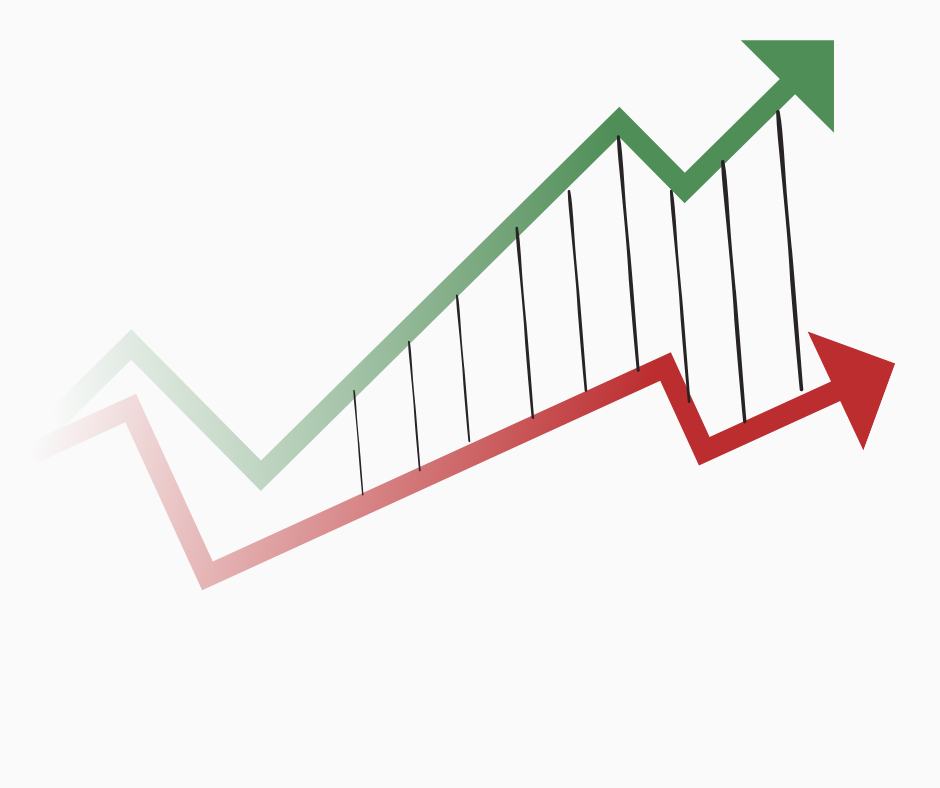
Spread is the difference between quoted bid and ask. Slippage is the difference between an expected benchmark and actual fill.
A market buy can pay:
- half or more of the spread relative to midpoint;
- additional slippage from walking the book;
- explicit fees.
Keeping the components separate makes comparison clearer.
The SLIP check
- S — Side and size: buy or sell, and how large relative to depth?
- L — Liquidity: levels, spread and likely cancellation?
- I — Intended benchmark: timestamped and appropriate?
- P — Price result: average, worst, fees and final usable amount?
Run it before and after the order.
Common mistakes
- Measuring a sell against the ask instead of a relevant bid benchmark.
- Ignoring average fill and looking only at one execution.
- Calling every price difference manipulation.
- Using daily volume instead of nearby depth.
- Estimating entry slippage but not exit slippage.
- Treating tolerance settings as guarantees.
- Forgetting spread and fees.
A no-money slippage lab
Use asks of 100 units at ₱100, 200 at ₱101 and 300 at ₱103. Estimate the average and worst fill for buys of 50, 250 and 500 units. Compare each with the ₱100 best ask.
Then remove the first level and recalculate. This shows how quickly a static estimate can change.
A familiar Philippine or Asian example

A learner in the Philippines studies a fictional crypto quote and writes the pair direction, intended action, price control, estimated cost, possible fill problem and exit plan. The exercise uses paper values only. No order is placed.
One risk or limitation
Examples simplify execution. Real venues differ in order logic, trigger source, fees, tick and lot sizes, available liquidity and outage handling. A checklist can reduce avoidable mistakes, but it cannot guarantee a price, fill, exit or profit.
How this connects to market mastery
Market mastery includes execution discipline. A strong market view can still fail when the pair, order type, size, liquidity, fee or exit mechanics are misunderstood.
Quick check — no money needed

Use a fictional quote. Write the pair, buy or sell action, order type, price control, size, estimated fees, liquidity concern and the condition that would cancel the plan. Then explain which field protects you from the largest avoidable mistake.
If you can explain your answer and name the main limitation, this lesson is complete.