Why you should know this
Good analysis can be damaged by a careless order. A trader may identify a reasonable entry area, press market in a thin book and fill far above it. Another may set a perfect limit that never fills, then chase price later.
Market and limit orders answer different questions. Market asks, “Can I trade now?” Limit asks, “Can I trade at this price or better?” Understanding that trade-off is a foundation for stops, depth, fees, slippage and execution quality.
Market order: immediacy first

A market order instructs the venue to trade against available opposite-side orders. A market buy consumes asks; a market sell consumes bids.
Its strength is speed. Its weakness is that the final price depends on what remains in the book when the order reaches the matching system.
A market order commonly offers:
- high probability of at least some immediate execution in an active market;
- no precise final-price guarantee;
- taker treatment on order-book venues;
- possible fills across several price levels;
- larger slippage when size is large or liquidity is thin.
Even “market” does not promise a complete fill if trading is halted, liquidity disappears, protections reject the order or the venue fails.
Limit order: price boundary first
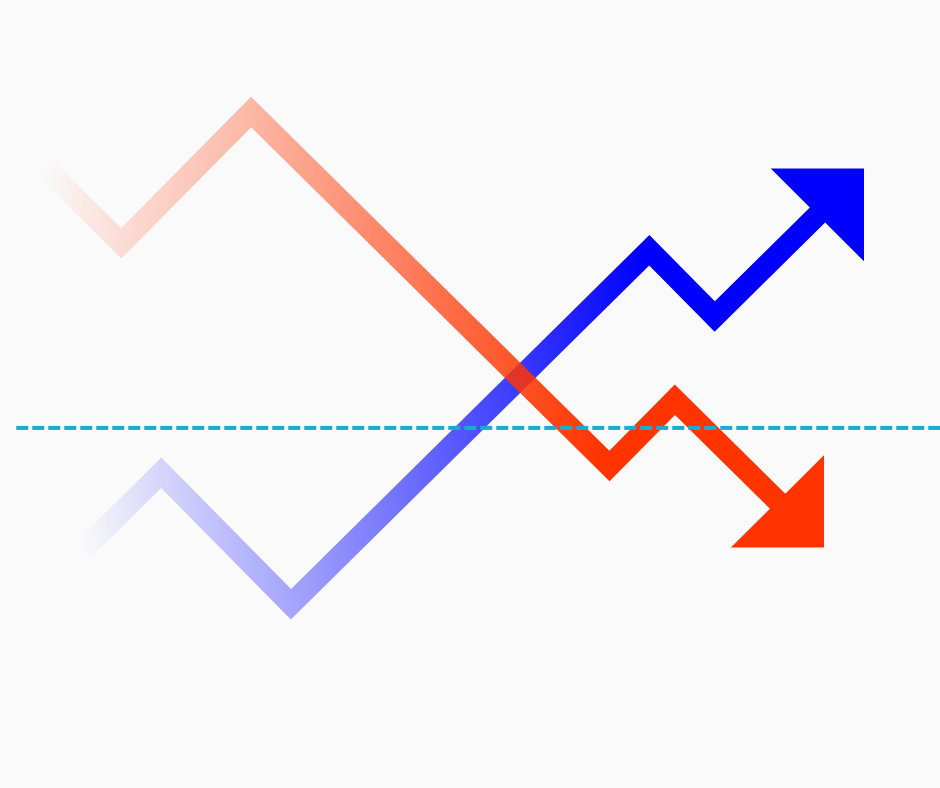
A limit order sets the worst price the trader will accept:
- a buy limit should execute only at the limit price or lower;
- a sell limit should execute only at the limit price or higher.
Its strength is price protection. Its weakness is fill uncertainty.
A limit order may:
- rest on the order book;
- fill partly;
- wait for a long time;
- expire or be cancelled;
- never fill;
- execute immediately if its price crosses existing orders.
“Limit” does not mean “maker.” An aggressive buy limit above the best ask can execute immediately and take liquidity. The limit protects the worst price, not the fee classification.
A simple comparison
| Question | Market order | Limit order |
|---|---|---|
| Main priority | Immediacy | Price boundary |
| Price guarantee | No | Limit or better, if filled |
| Fill guarantee | No absolute guarantee | No |
| Typical liquidity role | Taker | Maker or taker |
| Main beginner risk | Slippage | Missed or partial fill |
| Useful when | Urgency is genuine and depth is sufficient | Patience and price control matter |
The correct choice depends on purpose, size, depth, volatility and cost—not on a universal rule.
Fictional example: a liquid book
Lea wants to buy 0.001 BTC. The visible asks show much more quantity close to the current price. She has a non-speculative operational reason to complete promptly and accepts a clearly defined maximum total cost.
A market order may be reasonable for the fictional task because her size is small relative to nearby depth. She still reviews the order preview and expected average price.
If she has no urgency, a limit may provide more control. “Reasonable” does not mean guaranteed or recommended.
Fictional example: a thin token
Paolo sees Token Z last traded at ₱10. The best ask is ₱10.50 for 50 tokens, then ₱12 for 100 and ₱15 for 500. He wants 600.
A market buy could sweep the book and average far above ₱10. A limit at ₱10.60 caps the price but may fill only 50 or not at all.
The safest answer may be smaller size or no trade. An order type cannot turn inadequate liquidity into adequate liquidity.
Marketable and non-marketable limit orders
Suppose the best ask is ₱100:
- a buy limit at ₱99 normally rests below the ask;
- a buy limit at ₱100 can trade immediately against available asks;
- a buy limit at ₱105 can also trade immediately, but should not pay more than ₱105.
The last example does not mean the user automatically pays ₱105. It may receive better available prices. The limit is a ceiling, not a target.
For sells, reverse the logic: the limit is the minimum acceptable price.
Partial fills and the hidden second decision

Imagine a buy limit for 1,000 units at ₱10. Only 300 fill. The trader now holds 300 and has an open order for 700.
New questions appear:
- Does the remaining order stay active?
- Is the original thesis still valid?
- Does the partial position create an awkward size?
- Will cancelling and replacing lose queue priority?
- Are fees different for each portion?
Partial fills are not system errors. They are normal when available opposite interest is smaller than the order.
Time-in-force matters

Venues may offer instructions such as:
- Good ’Til Canceled: remains until filled or cancelled, subject to venue rules;
- Immediate or Cancel: fills what is immediately available and cancels the rest;
- Fill or Kill: requires immediate complete execution or cancellation;
- Good ’Til Time: expires at a stated time.
Names and behavior vary. These are not claims about DOPAY or a specific service. Verify the active interface and rules before relying on any instruction.
The beginner’s decision sequence
Instead of asking, “Which order is best?” ask:
- What job must the trade perform?
- How urgent is it, honestly?
- What is the spread and nearby depth?
- How large is the order relative to that depth?
- What is the worst acceptable average price?
- What happens if only part fills?
- Is no trade acceptable?
This sequence keeps the order type subordinate to the plan.
Chasing a missed limit

A limit below the market may not fill. If price rises, the trader can feel left behind and repeatedly raise the limit. That converts patient price control into emotional market chasing.
Before placing the limit, define:
- how long it remains valid;
- what new information would justify changing it;
- the maximum price supported by the thesis;
- when the opportunity is simply allowed to go.
Missing a trade is not the same as losing money. Preserved capital can wait for another setup.
False comfort from a market order preview
An estimated total is based on current information. In a volatile market, orders can change between preview and execution. Some venues apply price-protection bands or cancel remainders; others behave differently.
Treat previews as estimates unless the provider explicitly documents a firm quote. Keep screenshots or records for later review, but do not confuse them with a guaranteed fill.
Philippine and Asian context
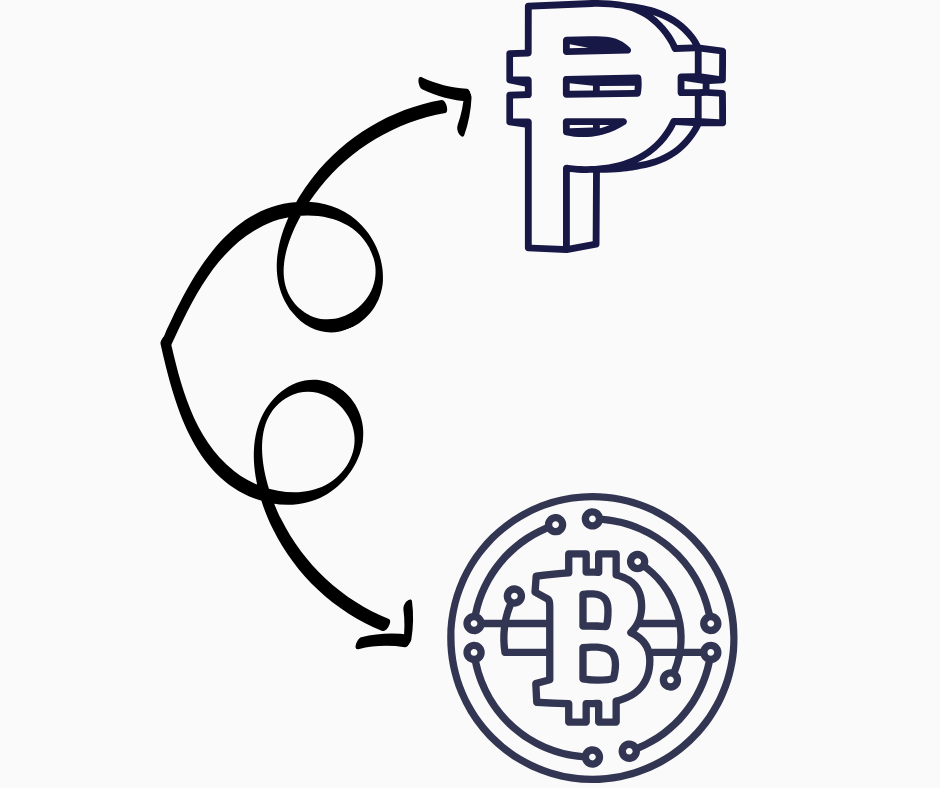
A PHP pair can have different depth from a global stablecoin pair. A small retail order may execute smoothly while a larger conversion moves several levels. Local banking hours and funding access can also affect liquidity.
If the purpose is crypto-to-PHP conversion, execution is only one stage. The reader should review the final PHP amount, fee, spread, Withdrawal route and timing. A beautifully filled crypto trade is not useful if the final route is unsuitable.
Common mistakes
- Believing market orders guarantee the displayed last price.
- Believing limit orders guarantee a fill.
- Using a large market order in a thin book.
- Setting a limit without a plan for partial execution.
- Assuming every limit is maker.
- Chasing after a missed order.
- Selecting an order type before defining purpose and maximum cost.
A no-money order lab
Use a fictional book with bids at ₱99 and asks at ₱101. Create three scenarios:
- A small urgent operational conversion.
- A patient speculative entry.
- A large order that exceeds nearby depth.
For each, choose market, limit, smaller size or no trade. Write one sentence about the risk your choice accepts.
How this connects to market mastery
Order selection is applied uncertainty management. Advanced traders do not ask an order to provide both perfect price and guaranteed immediacy. They decide which uncertainty they can accept.
Later we will measure whether that decision worked through spread, slippage, fill rate and implementation shortfall. Today’s order ticket becomes tomorrow’s data.
Key takeaways and check
- Market orders prioritize immediacy but expose the final price to available liquidity.
- Limit orders protect a boundary but can miss or fill partially.
- A limit can be maker or taker.
- Size and depth can matter more than the order label.
- No trade is a valid execution choice.
Market Explorer check: Explain why a market order may suit one small urgent task but not a large order in a thin token. Then describe the main risk of the alternative limit order.