Why you should know this
Leverage can make a small price move feel powerful. It also turns ordinary volatility into forced loss. The same crypto symbol may appear on spot, margin and futures screens, but the position created is different.
Understanding the distinction is part of survival. Readers do not need to use leverage to complete this curriculum or participate in practical crypto. Learning what a product does is not an invitation to trade it.
Spot trading

In a simple spot purchase, the user exchanges one asset for another for current settlement under the venue’s rules. Buying BTC/PHP generally means paying PHP and receiving a BTC balance in the account.
Important qualifications:
- custody may remain with the platform;
- transfer or Withdrawal may be subject to rules and review;
- the user still faces price, provider and operational risk;
- a balance record is not the same as holding a private key.
Spot without borrowing normally has no margin liquidation based solely on market price. The asset can still lose most or all of its value.
Margin trading
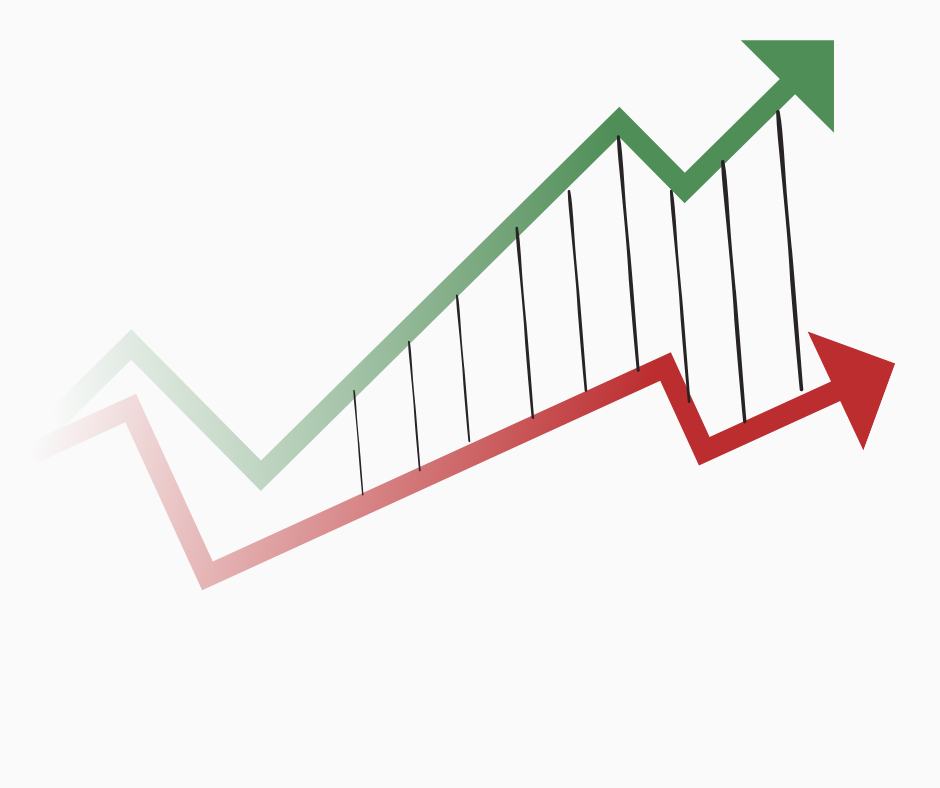
Margin trading uses borrowed funds or assets to create a position larger than the trader’s own capital or to sell borrowed assets short.
The account must maintain collateral. Costs may include interest and trading fees. If equity falls below required levels, the provider may demand more collateral, reduce positions or liquidate under its rules.
The trader can lose collateral quickly. Depending on product and jurisdiction, obligations can extend further. Never assume a platform’s automated liquidation is a complete loss cap.
Futures

A futures contract creates exposure to a future price under standardized or platform-defined terms. It does not automatically transfer ownership of the underlying crypto.
Contracts may be cash-settled or physically settled. Traditional futures have expiries. Crypto venues may also offer perpetual-style contracts without a normal expiry, often using funding mechanisms to help align contract and spot prices.
Exact terms, legal status and protections vary. A symbol such as BTC-PERP is a contract, not Bitcoin in a wallet.
Leverage is a multiplier
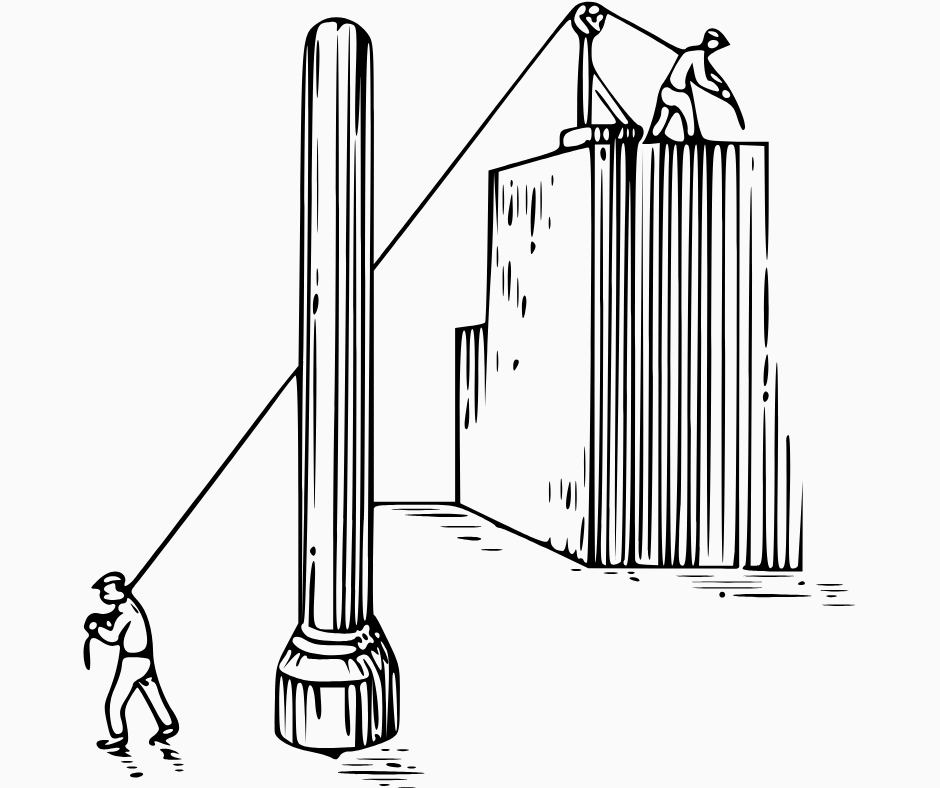
Leverage compares position exposure with the trader’s supporting equity.
If ₱10,000 supports a ₱50,000 position, the simple exposure multiple is 5×.
A 2% adverse move on ₱50,000 is approximately ₱1,000 before fees and funding—10% of the ₱10,000 equity.
A 10% adverse move would equal ₱5,000 before other effects, or half the equity. Liquidation may occur earlier depending on maintenance requirements.
Leverage amplifies gains and losses. The CFTC repeatedly warns that leveraged virtual-currency futures can magnify risk.
Notional value versus margin

The small number shown as required margin is not the position’s economic size.
Record:
- notional exposure;
- initial collateral;
- maintenance requirement;
- liquidation framework;
- fees and funding;
- worst plausible gap.
Risk should be discussed from notional exposure and exit mechanics, not only the cash deposited.
Long and short exposure
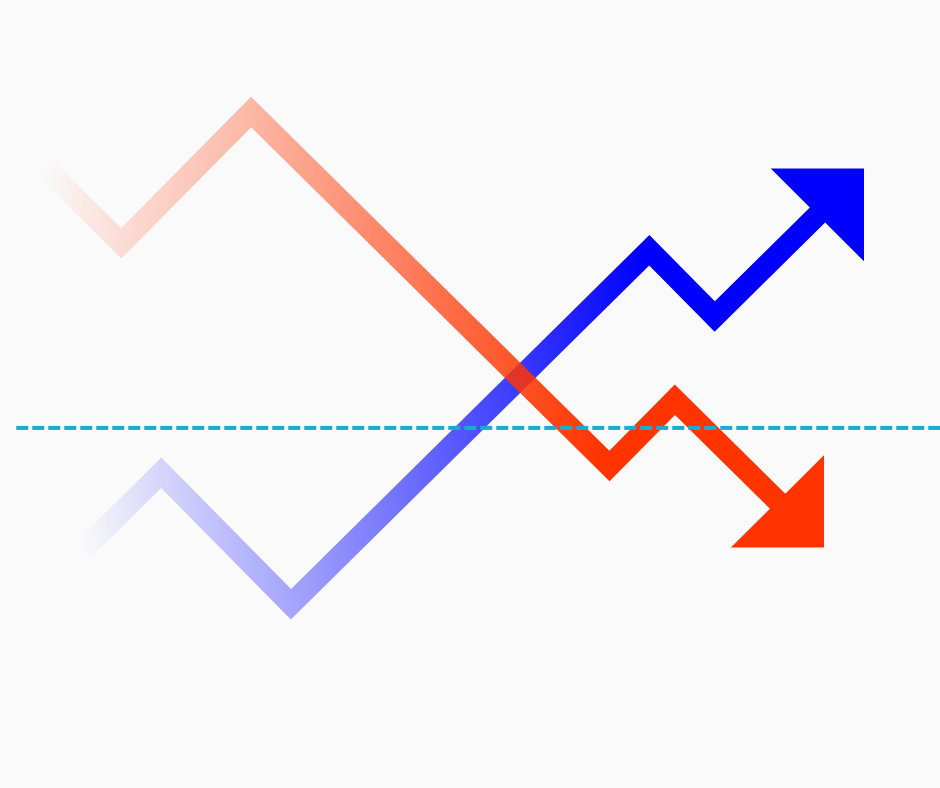
A long position generally benefits from rising price and loses when price falls. A short position generally benefits from falling price and loses when price rises.
Short losses can be especially dangerous because price has no fixed upside ceiling. Leveraged shorts can be liquidated during sharp rallies.
The ability to click “sell” without holding the asset often signals borrowing or a derivative position. Verify what contract or loan is created.
Liquidation is not a planned stop
Liquidation protects the provider’s collateral system, not the trader’s preferred outcome. It can occur at an estimated level that changes with fees, funding, collateral value and market movement.
Execution may happen in a stressed book. A gap can produce a worse result. A personal stop may fail or trigger too late relative to liquidation rules.
Relying on liquidation as risk management means the account has already surrendered control.
Funding, basis and convergence
Futures prices can differ from spot. That difference is often called basis. Perpetual contracts may exchange funding payments between sides under a formula. The trader can be directionally correct yet lose money through funding or unfavorable basis movement.
These are intermediate and advanced topics. A beginner only needs to recognize that derivative return is not always the same as spot price change.
Counterparty and venue structure
Spot users face custody and venue risks. Margin users add lending and collateral risks. Futures users add contract, margin, liquidation and settlement risks.
Multifunction crypto intermediaries may combine trading, custody and other roles, creating conflicts that require governance and disclosure. Regulation and customer protections differ by jurisdiction and product.
Philippine and Asian context

Availability in an app does not prove that a product may lawfully be offered or promoted in every country. Philippine users should verify the provider, applicable permissions, terms and complaint route. Foreign access does not equal local approval.
DOPAY Media must not state that margin, futures, leverage or related features are available through DOPAY without current Product/Operations and Compliance/Legal evidence.
Why beginners can stay with spot
Spot itself is risky enough to teach:
- pair reading;
- bid and ask;
- order types;
- spread, fees and slippage;
- position sizing;
- custody and Withdrawal.
There is no learning failure in declining leverage. A trader can build deep skill using simulated orders and small affordable spot exposure, or no-money practice.
The CLAIM check
- C — Contract: asset purchase, loan or derivative?
- L — Leverage: total notional compared with equity?
- A — Added costs: interest, funding, fees and spread?
- I — Involuntary exit: margin call or liquidation rules?
- M — Market and jurisdiction: who offers it, where and under what protections?
If the product cannot be explained with CLAIM, it should not be traded.
Common mistakes
- Calling a futures balance “Bitcoin owned.”
- Measuring exposure by margin deposit rather than notional.
- Treating liquidation price as a guaranteed stop.
- Ignoring funding, interest and basis.
- Assuming a foreign platform is approved locally.
- Using leverage to recover a loss.
- Believing advanced products are required for advanced learning.
A no-money classification lab
Classify three fictional positions:
- Pay ₱10,000 and receive a custodial crypto balance with no borrowing.
- Deposit ₱10,000 and borrow another ₱10,000 to buy crypto.
- Deposit ₱10,000 as margin for a ₱50,000 cash-settled contract.
For each, identify ownership or contract, notional exposure, added cost and forced-exit risk.
How this connects to market mastery
Product selection is part of execution. A correct market view expressed through the wrong instrument can fail because of funding, basis, liquidation or access.
Mastery includes choosing the simplest instrument that serves the purpose—and refusing complexity whose risks cannot be measured.
Key takeaways and check
- Spot exchanges assets; margin adds borrowing; futures create contract exposure.
- Leverage magnifies gains, losses and execution errors.
- Margin deposit is smaller than notional risk.
- Liquidation protects the collateral system, not the trader’s plan.
- Beginners do not need leverage to progress.
Market Explorer check: Classify the three lab positions and explain why the ₱50,000 futures position should not be described as only ₱10,000 of risk.