Why you should know this
Order type changes whether the reader prioritizes immediacy or price protection, but neither guarantees the complete desired result.
This is not about being told which trade to take. We are learning how to inspect the mechanism together, so a later decision is more deliberate and reviewable.
The short answer
This lesson turns the mechanic into a pre-trade execution check covering price control, cost, fill risk and the reader’s next action.
Limit order: price boundary first
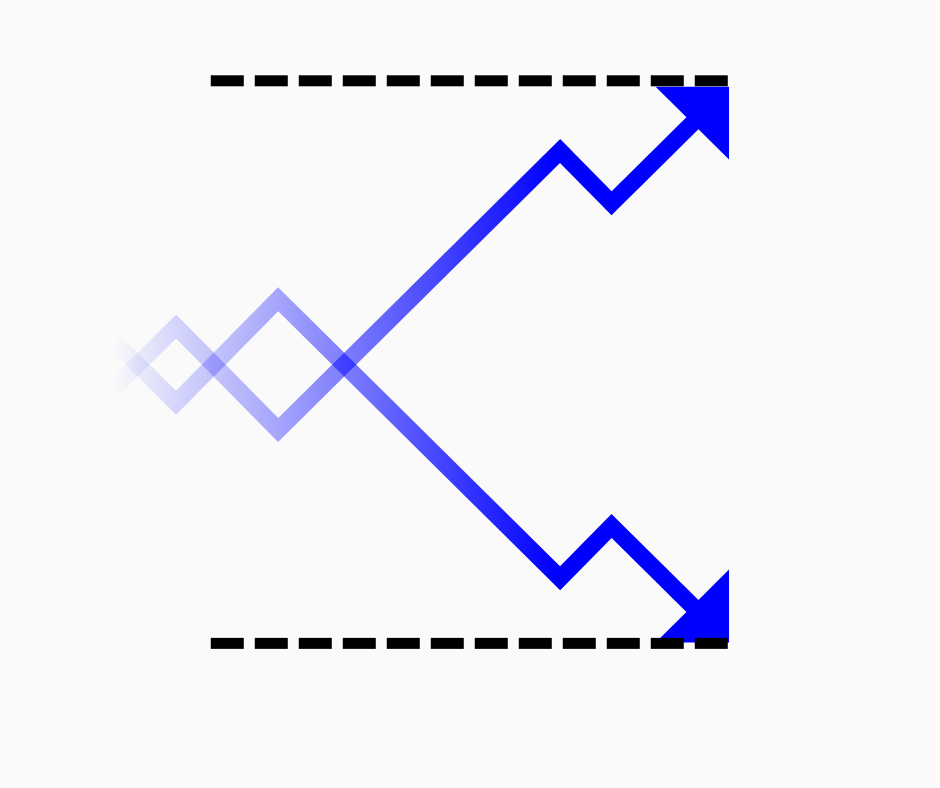
A limit order sets the worst price the trader will accept:
- a buy limit should execute only at the limit price or lower;
- a sell limit should execute only at the limit price or higher.
Its strength is price protection. Its weakness is fill uncertainty.
A limit order may:
- rest on the order book;
- fill partly;
- wait for a long time;
- expire or be cancelled;
- never fill;
- execute immediately if its price crosses existing orders.
“Limit” does not mean “maker.” An aggressive buy limit above the best ask can execute immediately and take liquidity. The limit protects the worst price, not the fee classification.
Fictional example: a liquid book
Lea wants to buy 0.001 BTC. The visible asks show much more quantity close to the current price. She has a non-speculative operational reason to complete promptly and accepts a clearly defined maximum total cost.
A market order may be reasonable for the fictional task because her size is small relative to nearby depth. She still reviews the order preview and expected average price.
If she has no urgency, a limit may provide more control. “Reasonable” does not mean guaranteed or recommended.
False comfort from a market order preview

An estimated total is based on current information. In a volatile market, orders can change between preview and execution. Some venues apply price-protection bands or cancel remainders; others behave differently.
Treat previews as estimates unless the provider explicitly documents a firm quote. Keep screenshots or records for later review, but do not confuse them with a guaranteed fill.
Common mistakes
- Believing market orders guarantee the displayed last price.
- Believing limit orders guarantee a fill.
- Using a large market order in a thin book.
- Setting a limit without a plan for partial execution.
- Assuming every limit is maker.
- Chasing after a missed order.
- Selecting an order type before defining purpose and maximum cost.
A no-money order lab
Use a fictional book with bids at ₱99 and asks at ₱101. Create three scenarios:
- A small urgent operational conversion.
- A patient speculative entry.
- A large order that exceeds nearby depth.
For each, choose market, limit, smaller size or no trade. Write one sentence about the risk your choice accepts.
A familiar Philippine or Asian example

A learner in the Philippines studies a fictional crypto quote and writes the pair direction, intended action, price control, estimated cost, possible fill problem and exit plan. The exercise uses paper values only. No order is placed.
One risk or limitation
Examples simplify execution. Real venues differ in order logic, trigger source, fees, tick and lot sizes, available liquidity and outage handling. A checklist can reduce avoidable mistakes, but it cannot guarantee a price, fill, exit or profit.
How this connects to market mastery
Market mastery includes execution discipline. A strong market view can still fail when the pair, order type, size, liquidity, fee or exit mechanics are misunderstood.
Quick check — no money needed

Use a fictional quote. Write the pair, buy or sell action, order type, price control, size, estimated fees, liquidity concern and the condition that would cancel the plan. Then explain which field protects you from the largest avoidable mistake.
If you can explain your answer and name the main limitation, this lesson is complete.