Why you should know this
The chart’s last price may not be the price available to buy, sell or fill a larger order.
This is not about being told which trade to take. We are learning how to inspect the mechanism together, so a later decision is more deliberate and reviewable.
The short answer
This lesson explains the four prices readers see and why they are not interchangeable.
The four values
Bid
The best bid is normally the highest displayed price at which a buyer is currently willing to buy the base asset.
If the best bid is ₱99.50, a marketable seller may be able to sell some quantity at ₱99.50—subject to the displayed size still being available.
Ask

The best ask, sometimes called the offer, is normally the lowest displayed price at which a seller is currently willing to sell the base asset.
If the best ask is ₱100.50, a marketable buyer may be able to buy some quantity at ₱100.50—again subject to available size.
Spread
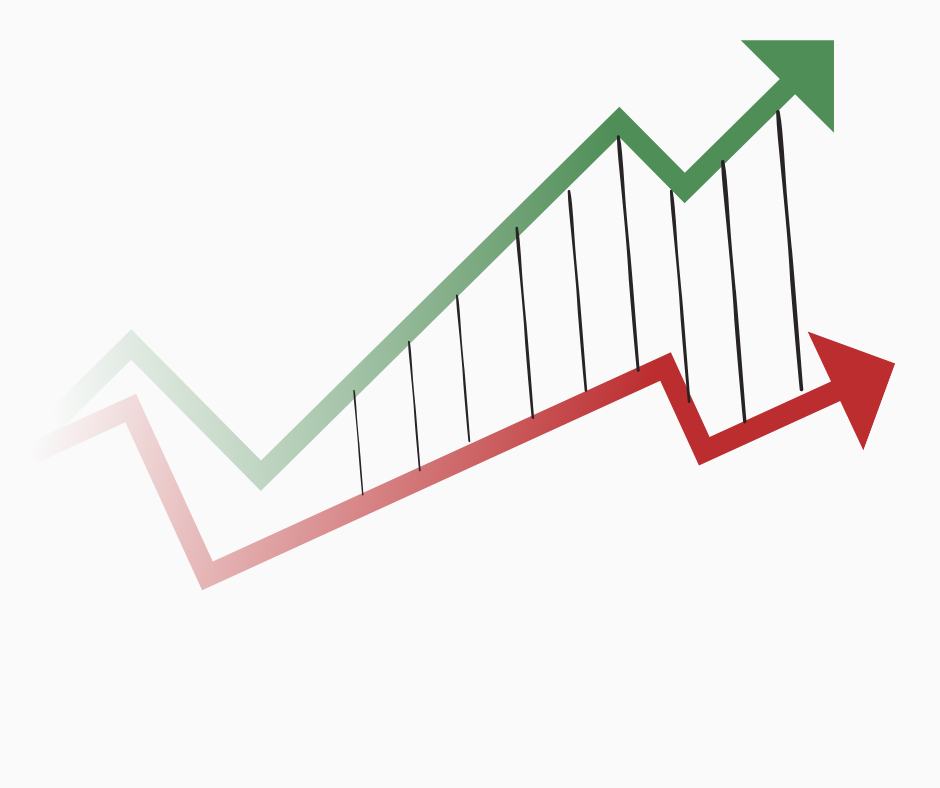
The bid-ask spread is the gap between the best ask and best bid:
Spread = Best ask − Best bid
With a ₱99.50 bid and ₱100.50 ask:
₱100.50 − ₱99.50 = ₱1.00
The spread is a visible trading cost for someone who immediately buys at the ask and sells at the bid, even before explicit fees.
Last price

The last price is the price of the most recently reported trade on that venue. It tells us where a transaction happened, not what the next transaction is guaranteed to receive.
The last trade could be seconds old, unusually small or on the opposite side of the current quote. In a fast market, the order book can move before a human reads the number.
Midpoint and percentage spread
Analysts sometimes calculate the midpoint:
Midpoint = (Best bid + Best ask) ÷ 2
Using ₱99.50 and ₱100.50:
(₱99.50 + ₱100.50) ÷ 2 = ₱100.00
The quoted percentage spread can be estimated as:
(Ask − Bid) ÷ Midpoint × 100
₱1.00 ÷ ₱100.00 × 100 = 1%
This helps compare a ₱1 spread on a ₱100 asset with a ₱1 spread on a ₱10,000 asset. The absolute gap is the same; the relative cost is not.
Why spreads widen
Spreads can widen when:
- price is moving quickly;
- few participants are quoting;
- the asset or pair is thinly traded;
- news creates uncertainty;
- market makers face higher inventory or hedging risk;
- a venue has operational trouble;
- local funding or Withdrawal access is strained.
A wide spread is information. It may signal that immediacy is expensive or that the market cannot absorb much size. It does not identify the exact cause by itself.
Last price can mislead without being false
Imagine the last trade was ₱100. Then sellers cancel their offers and the new best ask becomes ₱105. The screen may briefly emphasize ₱100 while the immediate buyable price is ₱105.
Or a tiny trade at ₱105 may set the last price while the midpoint remains around ₱100. A single print can look dramatic without representing the price available for meaningful size.
Check timestamp, bid, ask and depth rather than accusing the data of being wrong.
A familiar Philippine or Asian example

A learner in the Philippines studies a fictional crypto quote and writes the pair direction, intended action, price control, estimated cost, possible fill problem and exit plan. The exercise uses paper values only. No order is placed.
One risk or limitation
Examples simplify execution. Real venues differ in order logic, trigger source, fees, tick and lot sizes, available liquidity and outage handling. A checklist can reduce avoidable mistakes, but it cannot guarantee a price, fill, exit or profit.
How this connects to market mastery
Market mastery includes execution discipline. A strong market view can still fail when the pair, order type, size, liquidity, fee or exit mechanics are misunderstood.
Quick check — no money needed

Use a fictional quote. Write the pair, buy or sell action, order type, price control, size, estimated fees, liquidity concern and the condition that would cancel the plan. Then explain which field protects you from the largest avoidable mistake.
If you can explain your answer and name the main limitation, this lesson is complete.