Global coffee markets remain unsteady, with Arabica prices swinging by double digits in recent weeks and price cuts not seen to decline in the near future.
For the Philippines, where café culture is booming and coffee consumption is rising, this volatility hints undertones for both consumers and businesses, linking global supply shocks to local spending habits.
Beans are Getting More and More Expensive
Coffee prices surged in 2024 and hit record highs in 2025 due to adverse weather, particularly in Brazil and Vietnam.
While prices trended lower in early 2026, they spiked again in July as traders repriced risks tied to a potential Super El Niño event.
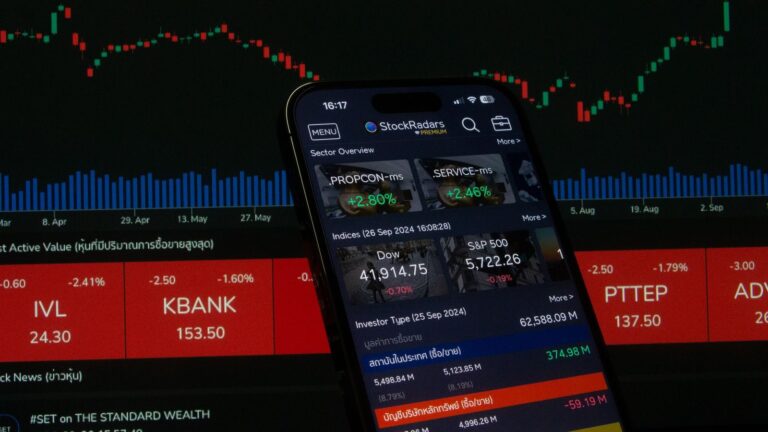
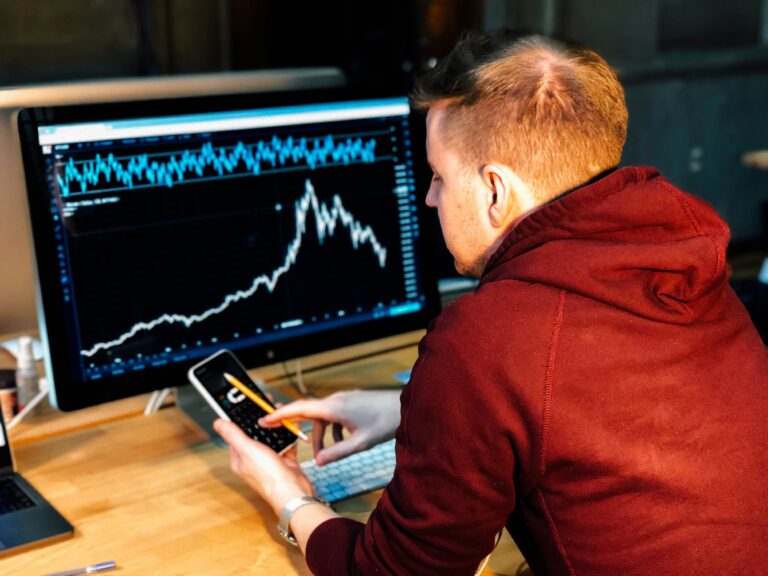
Arabica futures saw a 16% surge in one day—the biggest in 26 years—followed by a 9.2% drop the next day, showcasing extreme volatility.
This instability means roasters and retailers cannot yet pass lower costs to consumers.
Industry experts stressed that at least two years of strong harvests are needed to stabilize the market. For now, volatility remains the “new normal.”
The trend is global: coffee prices are caught between resilient demand and fragile supply.
Despite higher costs, consumers continue drinking coffee, though some reduce consumption rather than switch brands.
Analysts note that while coffee accounts for only 8–12% of input costs for food groups like Jollibee, sentiment risk is high—headlines about coffee inflation can spook investors even if margins are protected by procurement coverage.
Several factors contribute to volatility:
- Weather shocks: Rain-delayed harvest and risks from El Niño threaten supply.
- Low inventories: ICE exchange stocks remain tight, amplifying price swings.
- Speculation: Aggressive short covering and technical trading magnify volatility.
- Resilient demand: Consumers worldwide continue to prioritize coffee, keeping pressure on supply chains.
Volatile global coffee prices affect local cafés and consumers.
While large chains hedge costs through procurement contracts, smaller cafés are more exposed, often passing higher prices to customers. This can dampen demand or shift preferences toward cheaper options.
Coffee inflation is symbolic of how global commodity shocks ripple into local consumer markets, affecting spending patterns and sentiment.
Coffee Beans and Prices
The Philippines is one of the few countries that produces all four commercially viable coffee varieties: Arabica, Robusta, Liberica (Barako), and Excelsa.
Arabic
Grown in cooler highland areas like Benguet, Bukidnon, and Davao. Known for its smooth, acidic flavor and floral notes. Prices range from ₱1,475–₱1,880 per kilo for single-origin Arabica in the Philippines, while commercial Arabica is cheaper at around ₱930 per kilo. Globally, Arabica futures are highly volatile, often trading at a premium due to demand for specialty coffee.
Robusta
Grown in lowland areas, particularly Cavite and Mindanao. Stronger, more bitter flavor, often used in instant coffee. Locally priced at around ₱1,180 per kilo, making it more affordable than Arabica. Globally, Robusta trades at lower prices but has seen spikes due to supply shortages in Vietnam.
Liberica (Barako)
Unique to the Philippines, primarily grown in Batangas and Cavite. Known for its bold, smoky flavor and larger beans. Prices locally are around ₱290 for 100g or ₱620 for 250g, reflecting rarity and specialty status. Globally, Liberica is rare and commands high premiums in niche markets.
Excelsa
Less common, often blended with other beans. Offers tart, fruity notes. Prices vary but generally align with specialty-grade beans.
The price of coffee beans is shaped by a complex interplay of rarity, production costs, quality, demand, and external risks.
Rarity and supply constraints are among the most decisive factors. Arabica, for instance, requires high-altitude climates with cooler temperatures, limiting where it can be grown.
Liberica, known locally as Barako, is even rarer, cultivated in only a few provinces in the Philippines, which makes it a niche product that commands premium prices.
Production and processing methods also add to costs.
Specialty beans often undergo meticulous processes such as washed, natural, or honey methods, each requiring more labor, time, and resources. These methods enhance flavor complexity but increase expenses compared to mass-produced beans like Robusta.
Another driver is quality grading. Beans are scored based on cupping tests, with specialty-grade Arabica fetching higher prices due to superior taste, aroma, and consistency.
Global demand for high-scoring beans in specialty cafés pushes prices upward, especially in markets like Japan, Europe, and North America.
Climate risks and external shocks, with weather events such as El Niño, frost in Brazil, or heavy rains in Vietnam can devastate harvests; reducing supply and driving prices higher. Because coffee is a globally traded commodity, these shocks ripple across markets, affecting even local cafés in Manila or Cebu.
Finally, market speculation plays a role.
Coffee futures are actively traded, and speculative buying or short covering can cause dramatic price swings, particularly for Arabica. This volatility adds a financial premium to beans, making them more expensive even when supply is relatively stable.
In essence, a coffee bean becomes expensive not just because of its inherent qualities, but because of the rarity of its cultivation, the care in its processing, the global demand for specialty-grade flavors, and the risks embedded in its production and trade.
This is why Arabica and Liberica command higher prices both globally and locally, while Robusta remains the more affordable everyday option.
“Tara Kape” Culture in the Philippines
Coffee has long been embedded in Filipino daily life.
From traditional barako coffee in Batangas to instant sachets consumed in rural households, coffee is both a ritual and a comfort.
Surveys show that nine out \of ten households keep coffee in their pantries, and eight out of ten adults drink coffee daily.
The late 1990s and early 2000s marked the rise of café chains like Bo’s Coffee and Starbucks, which introduced Filipinos to specialty brews and café experiences.
Since then, the Philippines has seen a steady rise in coffee consumption.
Surveys by the Philippine Coffee Board show that Filipinos consume about 3 cups per day on average, with younger demographics driving demand for specialty brews.
Café culture has expanded rapidly in urban centers like Metro Manila, Cebu, and Davao, with chains and local artisanal cafés thriving, as Specialty coffee consumption is growing at a 5–6% compound annual growth rate (CAGR).
Demographically, millennials and Gen Z are the largest consumers, viewing coffee shops as social hubs and workspaces. The rise of remote work has further fueled café patronage.
In rural areas, instant coffee remains dominant, but urban consumers increasingly prefer brewed and specialty options.
Café culture is not just about consumption—it is about lifestyle.
Coffee shops have become venues for meetings, study sessions, and digital work.
Payment methods reflect this shift: digital wallets like GCash and Maya are increasingly used for café transactions, offering convenience and rewards.
QR Ph integration ensures interoperability, allowing customers to pay seamlessly across platforms.
Surveys by the Bangko Sentral ng Pilipinas (BSP) show that over 40% of retail transactions, including cafes and restaurants, in Metro Manila are now cashless, spotlighting the role of digital finance in everyday consumption.
Sip a Cup with DOPAY
DOPAY is a BSP-licensed Electronic Money Issuer (EMI) and Virtual Asset Service Provider (VASP) that provides minimal-fee transfers and payments, ensuring affordability for consumers even as commodity prices fluctuate.
Still, DOPAY adds another dimension.
Next time you go to a café, how about transforming your idle time into financial empowerment while drinking your coffee?
DOPAY users can engage in time-based crypto trades through DOPAY’s platform, earning rewards for successful trades with our Trade&Earn program.
Whether in Manila’s coffee shops or rural communities, DOPAY bridges consumption and finance, empowering Filipinos to navigate volatility with resilience.
Download the DOPAY app today!