Why you should know this
A legitimate transaction can still generate a review, and a review does not automatically mean the customer committed a crime. Understanding the purpose of AML, sanctions screening and transaction monitoring makes it easier to respond with evidence instead of panic or evasion.
The aim is not to turn every reader into a lawyer or compliance officer. It is to make the reader harder to confuse. A strong Academy 15 lesson should let someone identify the activity, the accountable role, the evidence and the point where a general rule stops being enough for a personal conclusion.
Monitoring looks for risk, not certainty

Anti-money-laundering and sanctions controls are designed to identify situations that may require additional review. Screening can compare names and other identifiers against relevant lists, while transaction monitoring can look for activity that differs from expected or lower-risk patterns.
An alert is therefore a prompt for assessment, not a criminal verdict. The provider may need to distinguish a false match, a legitimate unusual transaction and activity that requires restriction or reporting under applicable rules.
The customer sees only part of the control system
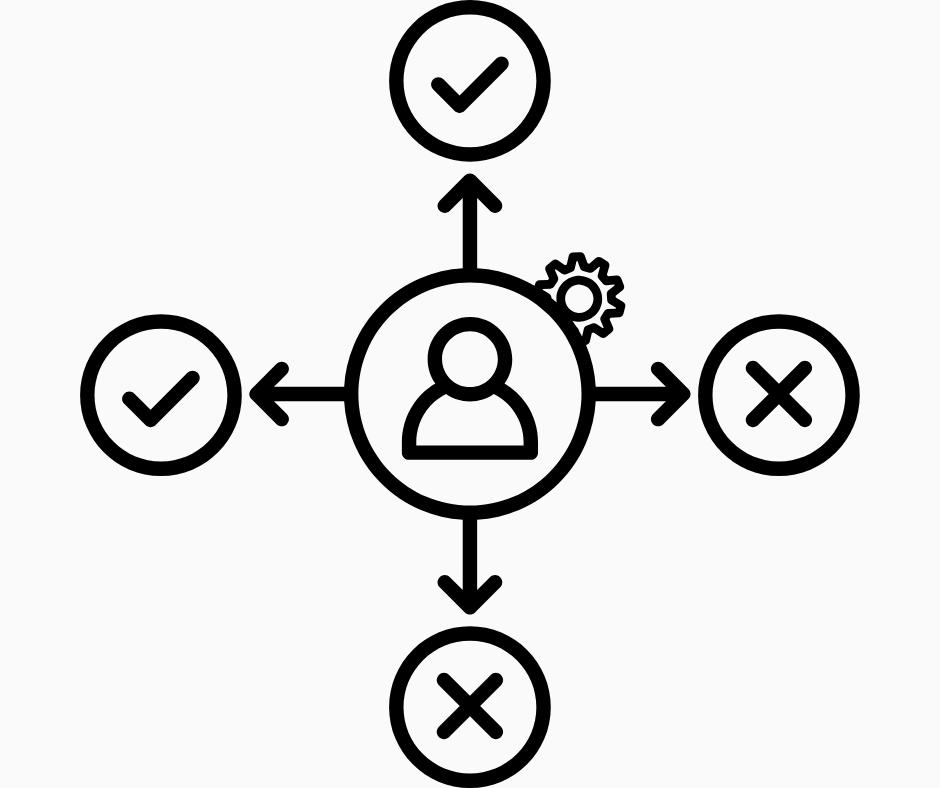
Financial institutions generally cannot expose every internal detection rule or investigation detail. That is important for two reasons. First, a customer should not assume silence means that no review exists. Second, educational material should not reverse-engineer monitoring thresholds or provide techniques for avoiding detection.
The safer consumer skill is documentation: know the purpose of the transaction, preserve counterpart information and receipts where appropriate, and answer legitimate information requests accurately.
Sanctions, AML and fraud controls can overlap

A delayed transaction may involve name screening, transaction-pattern review, fraud controls, security checks or an operational issue. The visible symptom—“pending”—does not tell the reader which control fired. That uncertainty is why escalation should begin with the provider’s transaction record rather than a theory about what the provider is doing.
Work through a realistic case
A customer receives payment from an overseas client and the transfer is held for review. Instead of splitting the payment into smaller transfers or opening a second account, the customer collects the invoice, contract and sender information already available from the legitimate business relationship, then responds through the provider’s official review channel.
Notice what the exercise does not do. It does not start with a legal slogan and force the facts to fit. It starts with the transaction or communication, identifies the relevant roles and records, and only then asks which current rule or protection may apply.
Where the protection boundary ends

Providers may be legally restricted from explaining some monitoring, reporting or sanctions decisions in detail. A customer can request process assistance, but the article must not promise full disclosure of internal controls.
For publication, every current statement about a regulator, provider status, legal duty, complaint route, deadline, threshold or available remedy must be reopened from the controlled source pack and mapped to the exact jurisdiction and as-of date. If that evidence does not establish applicability, the claim stays qualified or moves to needs_review.
Practice — no money needed

Use the fictional case above or create a comparable case. Write one page with four headings:
| Question | Your note |
|---|---|
| What exactly happened? | State the transaction, data event, communication or promotion without legal labels. |
| Who is responsible for this step? | Name the entity or role, not only the brand. |
| What evidence supports the expectation? | Terms, receipt, regulator record, privacy notice, transaction reference or other primary evidence. |
| What remains uncertain? | Record the legal, factual or operational point that still requires verification. |
Then explain in two or three sentences why the uncertain point matters. If your conclusion changes when that fact changes, you have found the decision boundary.
How this connects to market mastery
Market participation includes knowing when an unexplained delay is a compliance question rather than a price or technology question.
The next lesson turns this understanding into a rights, duties and escalation exercise. The goal is not to memorize regulators. The goal is to build a repeatable way to protect yourself when money, data and regulated services meet.