
Why you should know this
A transaction can look cheap because one fee is visible while the spread, network cost, conversion rate or withdrawal limit changes the final outcome. Consumer protection starts with understanding the whole economic route before confirming.
The aim is not to turn every reader into a lawyer or compliance officer. It is to make the reader harder to confuse. A strong Academy 15 lesson should let someone identify the activity, the accountable role, the evidence and the point where a general rule stops being enough for a personal conclusion.
The visible fee is only one part of total cost

A crypto or e-wallet transaction can include several economic components: an explicit service fee, a bid-ask spread, a conversion margin, a network or withdrawal fee, minimum amounts, and limits that affect how or when the user can complete the transaction.
A good disclosure lets the reader understand the cost or the method used to determine it before commitment. The reader should also distinguish an estimate from a guaranteed final amount when market price or network conditions can still change.
The right comparison is input versus usable output
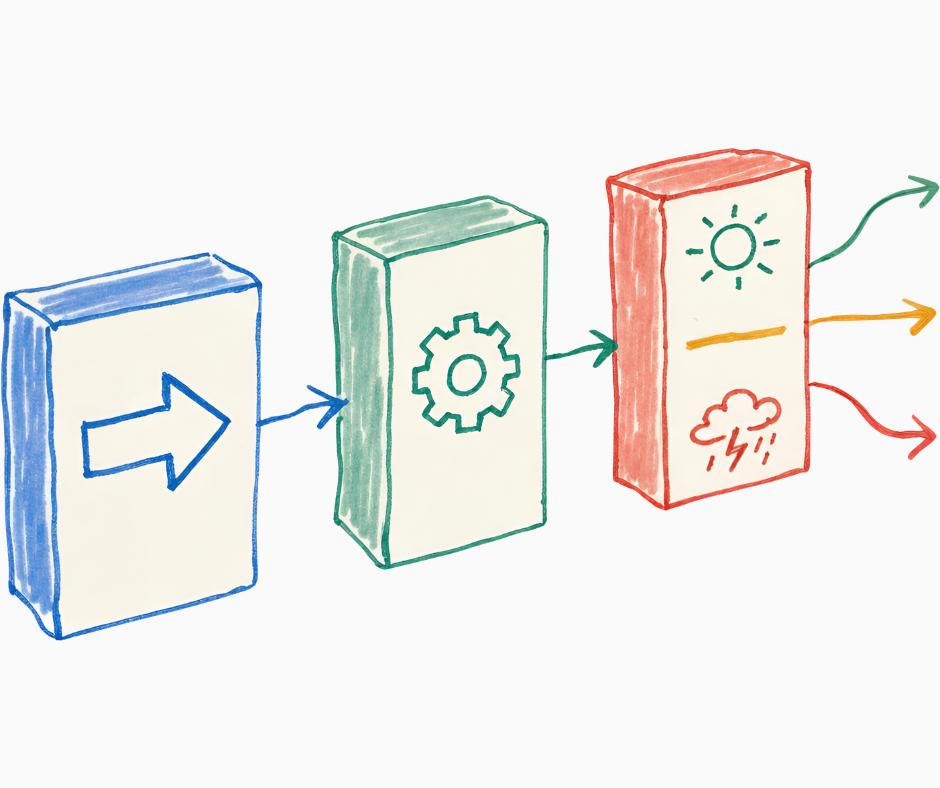
If a user starts with ₱10,000, the useful question is not “What percentage fee is advertised?” but “How much asset is actually received, and what would it cost to convert or withdraw that asset again?” For cross-border use, the final recipient amount can matter more than the intermediate crypto price.
That same method works when comparing providers: use the same amount, asset, route and time, then compare executable output rather than marketing labels.
Limits are part of the product, not fine-print trivia

Daily limits, minimum withdrawals, supported networks, maintenance windows and account-level restrictions can make a nominally available service unusable for a particular job. A reader should treat those constraints as part of the economic decision, not as an afterthought discovered after purchase.
Work through a realistic case
For an illustrative comparison, Provider A is assigned a ₱50 transaction fee and a wider executable spread, while Provider B is assigned a ₱100 fee and a tighter quote. These are teaching assumptions, not real provider fees or market averages. The learner calculates the final asset received from the full quote and then the final PHP obtainable after an illustrative withdrawal. The lower advertised fee does not automatically produce the lower total cost.
Notice what the exercise does not do. It does not start with a legal slogan and force the facts to fit. It starts with the transaction or communication, identifies the relevant roles and records, and only then asks which current rule or protection may apply.
Where the protection boundary ends
Fees, spreads, limits and network conditions can change. A screenshot is evidence of what was displayed at one time, not a permanent tariff.
For publication, every current statement about a regulator, provider status, legal duty, complaint route, deadline, threshold or available remedy must be reopened from the controlled source pack and mapped to the exact jurisdiction and as-of date. If that evidence does not establish applicability, the claim stays qualified or moves to needs_review.
Practice — no money needed

Use the fictional case above or create a comparable case. Write one page with four headings:
| Question | Your note |
|---|---|
| What exactly happened? | State the transaction, data event, communication or promotion without legal labels. |
| Who is responsible for this step? | Name the entity or role, not only the brand. |
| What evidence supports the expectation? | Terms, receipt, regulator record, privacy notice, transaction reference or other primary evidence. |
| What remains uncertain? | Record the legal, factual or operational point that still requires verification. |
Then explain in two or three sentences why the uncertain point matters. If your conclusion changes when that fact changes, you have found the decision boundary.
How this connects to market mastery
Execution quality begins before trading: the reader learns to compare all-in economic outcomes and preserve the disclosure used for the decision.
The next lesson turns this understanding into a rights, duties and escalation exercise. The goal is not to memorize regulators. The goal is to build a repeatable way to protect yourself when money, data and regulated services meet.