Why you should know this
Trade review matters because outcome and decision quality can point in different directions. Without separating them, a trader can reinforce bad behavior after a lucky win and abandon good process after a normal loss.
Trading psychology is useful when it changes a decision, not when it gives us a label for ourselves. The goal is therefore not to call someone “emotional,” “disciplined” or “biased.” It is to notice the point where the evidence, position size, timing or risk rule begins to change—and to make that change reviewable.
A useful review starts with a two-axis question: was the process good, and what was the outcome?
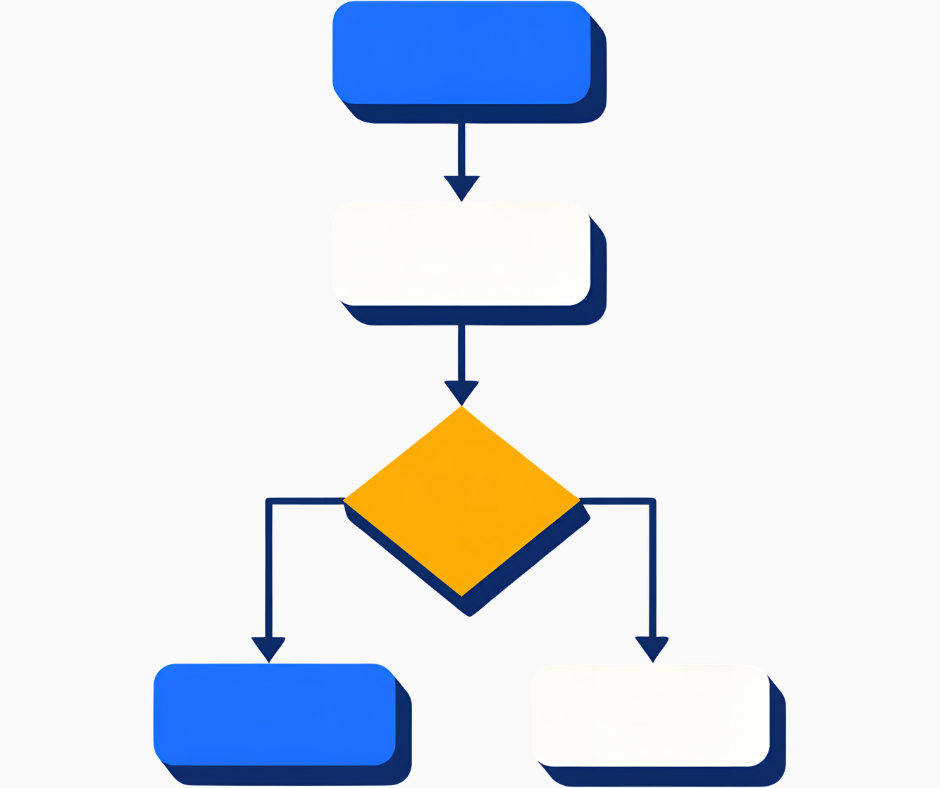
Four combinations are possible. Good process can produce a win or a loss. Poor process can also produce a win or a loss. This simple matrix prevents P&L from automatically deciding whether the trade deserves praise or correction.
The most dangerous quadrant can be poor process, good outcome because the market rewards the behavior immediately. If the trader learns from the profit instead of the process, the same behavior may be repeated with larger size.
Review the information that was available at the time, not the chart that exists now
Hindsight makes missed signals look obvious. A fair review reconstructs the decision point using the data, news and market structure actually available then.
The question is not “What should I have known?” in an unlimited sense. It is “Given my documented process, what should I reasonably have checked?” That keeps the review useful instead of turning it into self-criticism based on future information.
Individual trades generate hypotheses; repeated trades support process changes
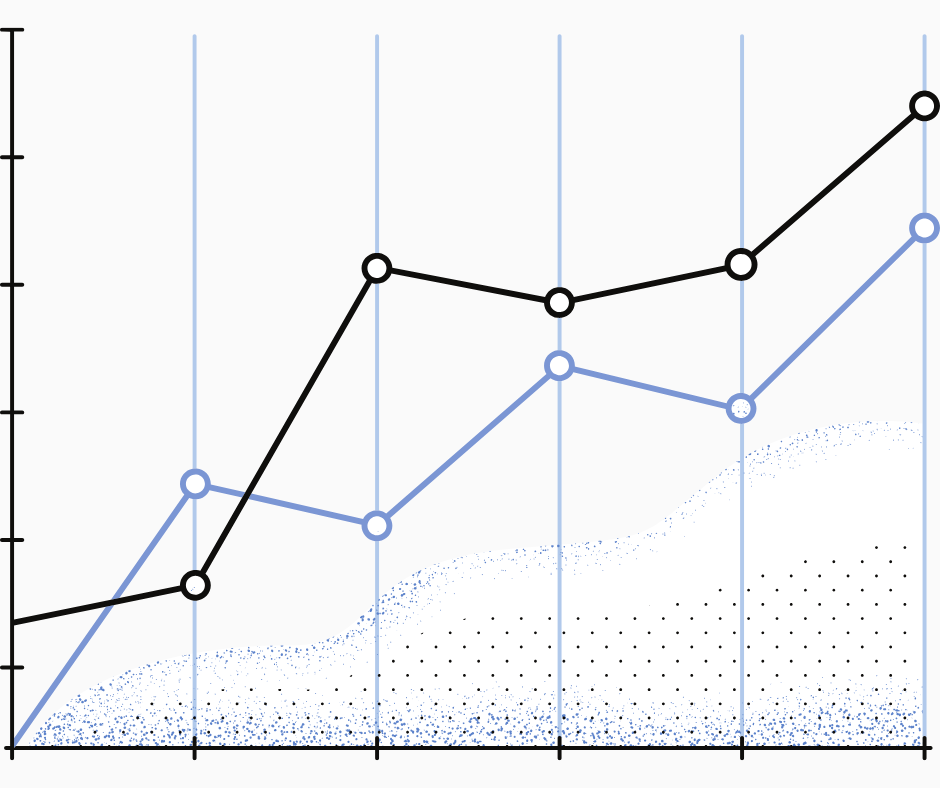
A single loss may reveal a clear rule violation, but it rarely proves that a strategy is broken. The review should separate one-off execution errors from patterns that recur across a sample.
This creates a sensible hierarchy: fix obvious process breaches immediately, but change strategy rules only after enough comparable evidence has accumulated under the change-control process.
Worked example — follow the decision, not just the feeling
A trader reviews four fictional trades: good-process win, good-process loss, poor-process win and poor-process loss. The surprising result is that the poor-process winner feels best emotionally, yet it receives the strongest corrective note because the trader ignored the size limit. The good-process loser needs no revenge; it becomes another valid sample of strategy risk.
The important part of the example is the sequence. First there is a market event. Then there is an interpretation. Then the trader feels pressure to alter a rule. By separating those stages, the reader can decide whether new evidence actually supports the change.
What this framework cannot guarantee
A behavioral framework cannot tell us the next price, remove uncertainty or guarantee that a disciplined decision will make money. It also should not be used to explain every loss as a psychological failure. Markets can invalidate good decisions, and operational problems can overwhelm a reasonable plan.
The useful standard is narrower: make the decision process visible enough that later review can distinguish a market outcome from a preventable process change.
No-money exercise — reconstruct one decision before seeing the outcome

Choose a fictional or historical setup and stop the story at the decision point. Write the market facts that were available, the original plan, the behavioral pressure and the rule that was about to change. Then write one alternative explanation and the condition that should keep the original plan in force.
Do not judge the exercise by whether the later price moved in the imagined direction. Judge it by whether the decision could be explained before the outcome was known.
How this connects to market mastery
Academy 10 built external risk controls: sizing, loss limits, liquidity, counterparty risk and crisis rules. Academy 11 adds the internal operating layer. The objective is not to become emotionless; it is to make sure that stress, excitement and recent P&L do not silently rewrite the controls already built.