
Why practice matters more than recognizing the label
Knowing the name of a bias or behavior does not automatically change it. In a live market, the pressure usually arrives before there is time for a long reflection. A useful practice must therefore be short enough to use and specific enough that it changes an observable decision.
The boredom-trading routine gives inactivity a measurable job. If no setup exists, the session still produces useful work without manufacturing market exposure.
Build the routine around the actual decision point
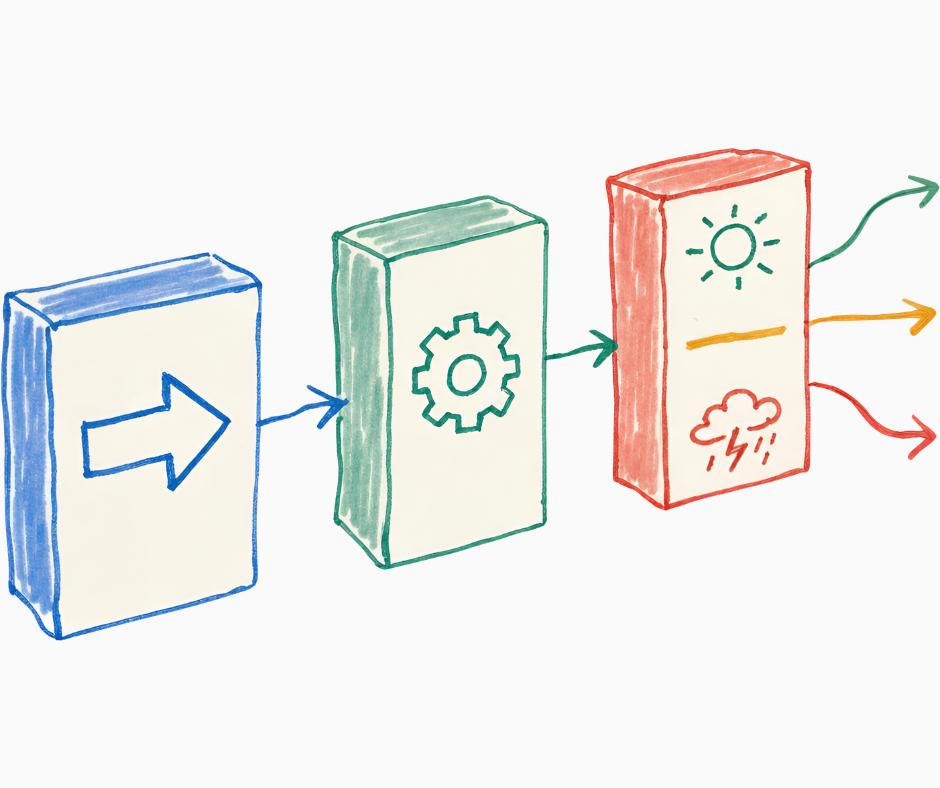
- Define the minimum setup conditions before the trading session begins.
- When an urge to trade appears, identify which setup condition is actually present and which are missing.
- Record whether the urge followed boredom, a social trigger, a recent loss or simple market availability.
- Estimate the round-trip friction of the proposed trade, including spread and fees where known.
- Choose a non-trading task—review, research, replay or journal work—when the setup is absent.
- At weekly review, count avoided low-quality trades as process evidence rather than as missed opportunities.
The routine is not a punishment and it does not require the reader to feel calm before continuing. It asks for observable evidence that the original process is back in control: the setup can be described, the risk is within the plan, the reason for changing anything is documented, and the decision still makes sense without relying on the emotional trigger.
Worked practice — use the same scenario, but record the controls
A trader reserves two hours after work to trade. For three evenings, no setup meets the plan. On the fourth evening, he considers a small trade in a random token simply because he has “done nothing all week.” He compares the idea with his setup checklist and finds that liquidity and invalidation are both poor. Instead of forcing a trade, he uses the session to review prior executions and records the no-trade decision as successful process adherence.
Turn the scenario into a four-column worksheet:
| What happened | What I wanted to change | What evidence supports the change | What rule remains in force |
|---|---|---|---|
| Trigger or market event | Entry, size, stop, exit, frequency or research conclusion | New fact, tested condition or none | Original risk/process rule and the reason it exists |
If the third column is empty, the reader has learned something useful: the urge may be real, but the evidence for changing the plan is not yet there.
Warning signs that the routine is being bypassed
Warning signs include scanning more and more assets until something looks tradable, lowering setup standards late in a quiet session, taking very small trades solely for stimulation, and judging a no-trade day as wasted time.
A warning sign is not proof that the trade will lose. It is evidence that the quality of the decision process may be deteriorating. That is enough reason to slow the change down and return to the documented rule.
Define the reset condition before the next decision
A pause is useful only if the reader knows what ends it. “Wait until I feel better” is vague. A stronger reset condition is operational: the previous trade is recorded, the setup is independently valid, risk has returned to baseline, a breached loss limit has been respected, or the scheduled review window has arrived.
For this family, write one sentence in this form:
I can reconsider the decision when __ is true, and I will not change __ before that condition is met.
This turns psychology into a change-control problem rather than a personality judgment.
Weekly review — look for a pattern, not a confession
At the end of the week, count how often the trigger appeared, how often the routine was used, and whether the plan changed with or without new evidence. A repeated pattern deserves a process adjustment. One isolated feeling does not require a new identity or a new strategy.
The review should remain neutral. The purpose is to improve the operating system, not to shame the person using it.
Quick check — no money needed

Complete the routine with a fictional or historical example. Preserve the original plan before revealing the later outcome. Then identify:
- the trigger;
- the rule that came under pressure;
- the evidence, if any, for changing it;
- the warning sign you would recognize next time; and
- the reset condition that allows the decision process to resume.
If another reader could follow the worksheet and reach the same process decision without knowing whether the trade later won or lost, the practice is doing its job.