Why practice matters more than recognizing the label
Knowing the name of a bias or behavior does not automatically change it. In a live market, the pressure usually arrives before there is time for a long reflection. A useful practice must therefore be short enough to use and specific enough that it changes an observable decision.
The purpose of a FOMO routine is not to suppress excitement. It is to prevent excitement from rewriting the trade faster than the reader can inspect the change. A useful routine therefore compares the old decision with the new one and forces the reason for the change into the open.
Build the routine around the actual decision point
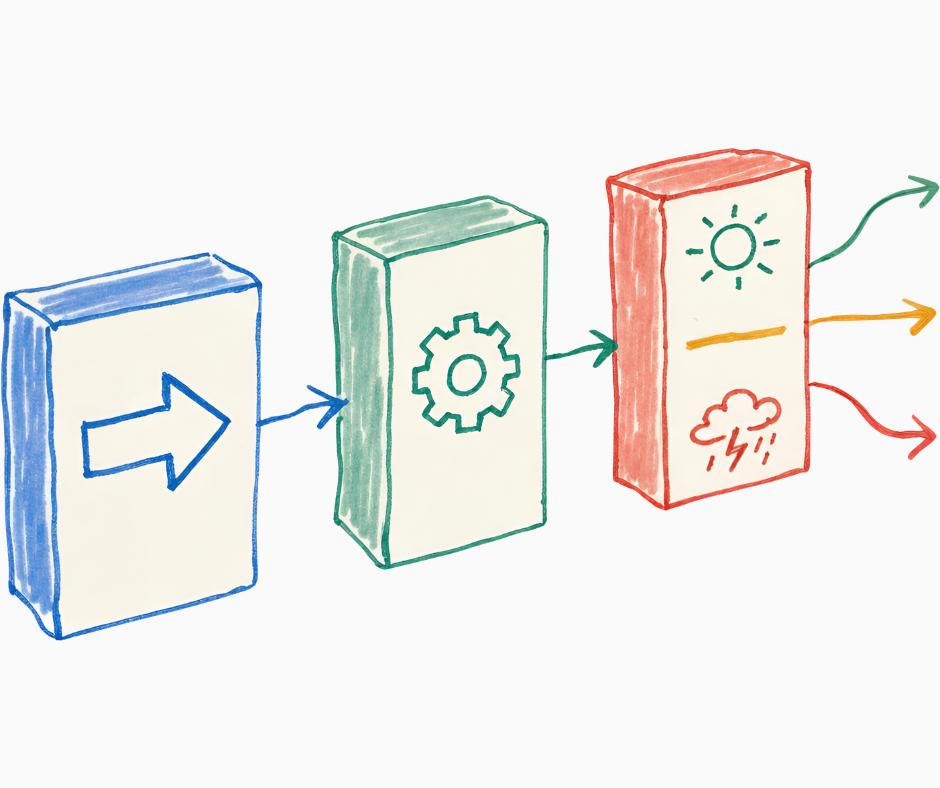
- Record the trigger: price move, social post, chat message, news item or other event that created urgency.
- Write the original entry, invalidation, risk amount and reason for the trade before changing any of them.
- Write the proposed new entry, invalidation and size, then calculate how much each changed.
- Identify the genuinely new evidence. Do not count the price move itself twice as both event and proof.
- Choose a cooling rule appropriate to the setup: for example, wait for the next planned review point rather than using an arbitrary emotional delay.
- After the decision window, record whether the trade still meets the original risk standard. No trade is a valid outcome.
The routine is not a punishment and it does not require the reader to feel calm before continuing. It asks for observable evidence that the original process is back in control: the setup can be described, the risk is within the plan, the reason for changing anything is documented, and the decision still makes sense without relying on the emotional trigger.
Worked practice — use the same scenario, but record the controls

A learner in Manila sees a token rise from PHP 40 to PHP 48 equivalent while a group chat fills with screenshots. Her original plan allowed an entry only near PHP 41–42 with a defined invalidation level. Instead of treating PHP 48 as proof that she was wrong to wait, she writes down the new spread, available depth, her original risk budget and the specific evidence that has changed. She finds that the only new information is the rally itself. Her decision is therefore not “the token will fall”; it is “my earlier setup no longer exists, so I need a new setup rather than chasing the old one.”
Turn the scenario into a four-column worksheet:
| What happened | What I wanted to change | What evidence supports the change | What rule remains in force |
|---|---|---|---|
| Trigger or market event | Entry, size, stop, exit, frequency or research conclusion | New fact, tested condition or none | Original risk/process rule and the reason it exists |
If the third column is empty, the reader has learned something useful: the urge may be real, but the evidence for changing the plan is not yet there.
Warning signs that the routine is being bypassed

Warning signs include increasing size because the move “looks certain,” removing an invalidation level because the asset is running, opening the order screen before the thesis is written, and using other people’s profits as the main reason for urgency.
A warning sign is not proof that the trade will lose. It is evidence that the quality of the decision process may be deteriorating. That is enough reason to slow the change down and return to the documented rule.
Define the reset condition before the next decision
A pause is useful only if the reader knows what ends it. “Wait until I feel better” is vague. A stronger reset condition is operational: the previous trade is recorded, the setup is independently valid, risk has returned to baseline, a breached loss limit has been respected, or the scheduled review window has arrived.
For this family, write one sentence in this form:
I can reconsider the decision when __ is true, and I will not change __ before that condition is met.
This turns psychology into a change-control problem rather than a personality judgment.
Weekly review — look for a pattern, not a confession
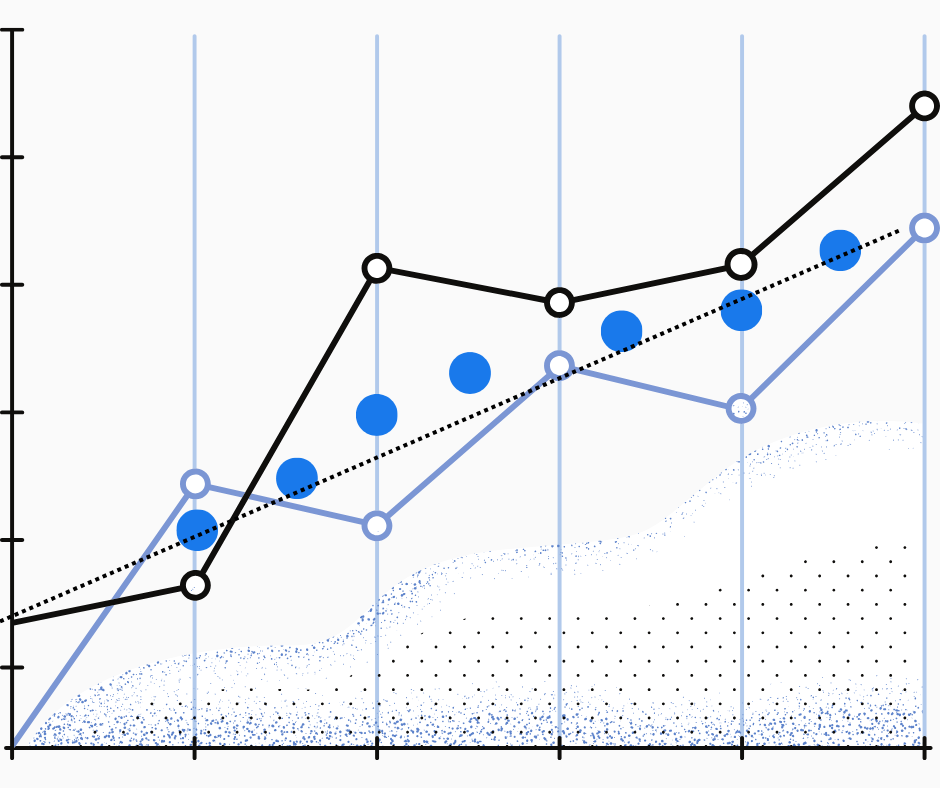
At the end of the week, count how often the trigger appeared, how often the routine was used, and whether the plan changed with or without new evidence. A repeated pattern deserves a process adjustment. One isolated feeling does not require a new identity or a new strategy.
The review should remain neutral. The purpose is to improve the operating system, not to shame the person using it.
Quick check — no money needed

Complete the routine with a fictional or historical example. Preserve the original plan before revealing the later outcome. Then identify:
- the trigger;
- the rule that came under pressure;
- the evidence, if any, for changing it;
- the warning sign you would recognize next time; and
- the reset condition that allows the decision process to resume.
If another reader could follow the worksheet and reach the same process decision without knowing whether the trade later won or lost, the practice is doing its job.