In a Globalized World
With the rapid development of the internet, technology, and free trade came increased global commerce, manufacturing chains, and the digital economy. With these came the practice and necessity of international payments.
It has never been easier to shop online and to have a t-shirt manufactured in China delivered to North America via a warehouse in Asia of a store based in Europe. The same is true for the international flow of money for finance, governments, and individual transfers and payments.
Individuals Receiving International Payments in the Philippines
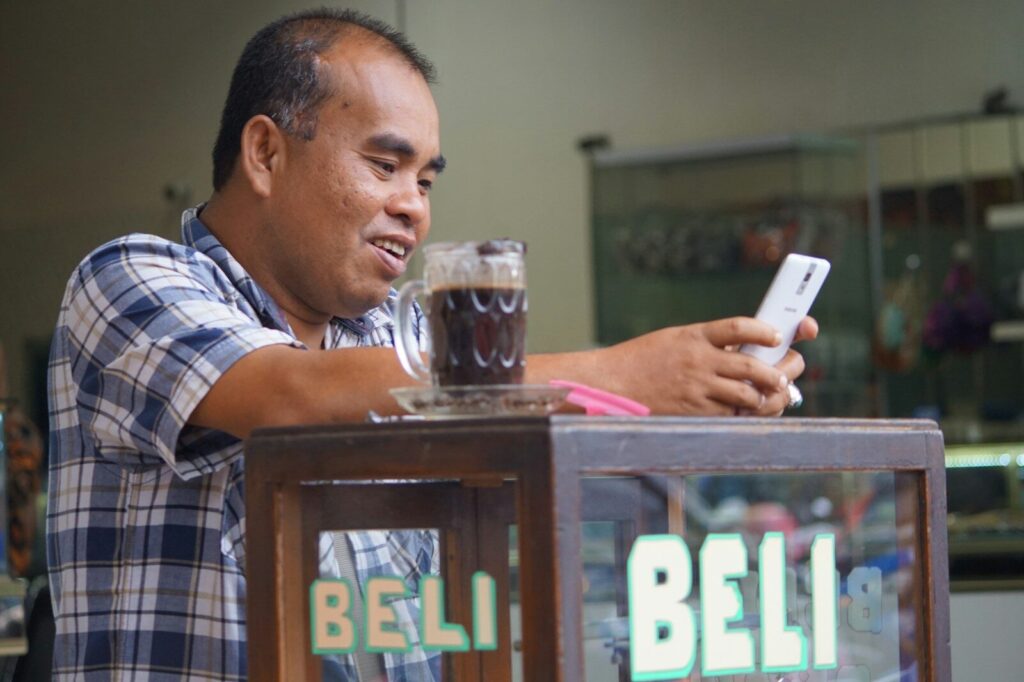
In the Philippines, there are different types of people that receive payments from overseas. These include the families of Overseas Filipino Workers (OFWs), freelancers and remote workers, digital content creators and influencers, and beneficiaries of foreign education and support.
The largest individual recipients of foreign currency in the Philippines are the families of OFWs. They receive personal remittances from overseas workers in countries such as the U.S., Saudi Arabia, Singapore, Canada, and Japan.
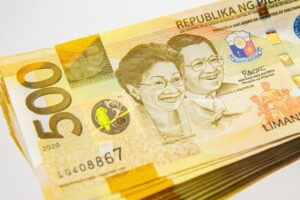
In 2024, personal remittances reached an all-time high of $38.34 billion, accounting for approximately 8.3% of the GDP of the Philippines.
Next comes the freelancers and remote workers. They are called freelancers because they are usually not regular employees, and the companies they work for are mostly based abroad. They include professionals who offer services such as graphic design, virtual assistance, information technology (IT) support to international clients as standalone individual contributors, often using digital platforms like Upwork or Fiverr.
The last decade has seen the rise of bloggers, influencers, and digital content creators, who come in next after freelancers. They are individuals who monetize content on global platforms such as YouTube, Facebook, Twitch, Instagram, and TikTok. Their earnings are traditionally sent through international transfers as well.
The last group of individuals who receive the most share of international payments are the beneficiaries of foreign education or support. These are individuals or households that receive funds for living expenses, educational fees, or healthcare from relatives abroad.
Businesses Receiving International Payments in the Philippines
Businesses that receive international payments in the Philippines receive funds on a bigger scale than individuals. The largest among these companies are business process outsourcing (BPO) companies, export-oriented manufacturers, travel and tourism operators, real estate developers, and renewable energy and infrastructure firms. Smaller organizations that receive international payments include small and medium enterprises (SMEs), e-commerce sellers, and service providers.
The largest corporate recipients of foreign currency are BPO companies. BPO companies include call centers and service providers for information technology (IT), software, providers, IT-enabled services, human resource services, and finance and accounting services. The revenues of BPO companies are expected to grow significantly.
Export-oriented manufacturers are companies operating within or outside economic zones, such as the Philippine Economic Zone Authority (PEZA). These manufacturers export goods, particularly electronics, machinery, and food manufacturing. As exporters, they receive foreign currency for the sale of their products overseas.
For their part, travel and tourism operators, such as hotels, travel agencies, and tour operators, receive payments from foreign tourists. Real estate developers receive foreign currency in the form of investment payments from foreign investors or overseas Filipinos buying property.
Renewable energy and infrastructure firms, which are part of an industry that was booming in the past years, are companies involved in joint ventures with foreign firms, receiving foreign currency in the form of foreign direct investments (FDI).
The growth of digital payment services has enabled the expansion of local e-commerce sellers and service providers that cater to international customers who use digital payment gateways.
E-commerce sellers and service providers are part of Small and Medium Enterprises (SMEs), the biggest category among businesses in the country. As of 2023, there are 1.2 million SMEs in the Philippines, which comprise 99.6% of all business establishments in the country.
Methods for Receiving International Payments
With so many types of individual workers and companies big and small receiving international payments, innovations were born in the world of finance from the need for digital, faster, and cheaper methods to receive foreign currency.
From direct bank transfers, other methods that are faster and cheaper were introduced. These include digital wallets/remittance platforms, specialized digital accounts, and digital or blockchain-based assets such as cryptocurrency.\
Among the top apps to offer digital wallet services in the Philippines are Gcash, Maya, and GrabPay.
DOPAY E-Wallet and Crypto Wallet
Compared to its precursors, DOPAY is relatively new. DOPAY, through its parent company WIBS PHP INC., is regulated by the Bangko Sentral ng Pilipinas (BSP) and has licenses as an Electronic Money Issuer (EMI) and as a Virtual Asset Service Provider (VASP).
Powered by blockchain technology, DOPAY provides payment, remittance, and financial accessibility through electronic money issuance and cryptocurrency exchange.
DOPAY is an easy-to-use and convenient app that safeguards your information and your money through the policies and procedures required by the BSP.
Through DOPAY, freelancers, BPO owners, and SMEs can hold, receive, and transfer funds and payments in global currencies through DOPAY’s large wallet sizes. App users such a digital content creator can receive payment of influencer services without exchange rate fees by utilizing the global account features of the DOPAY app.
Download the DOPAY app today!