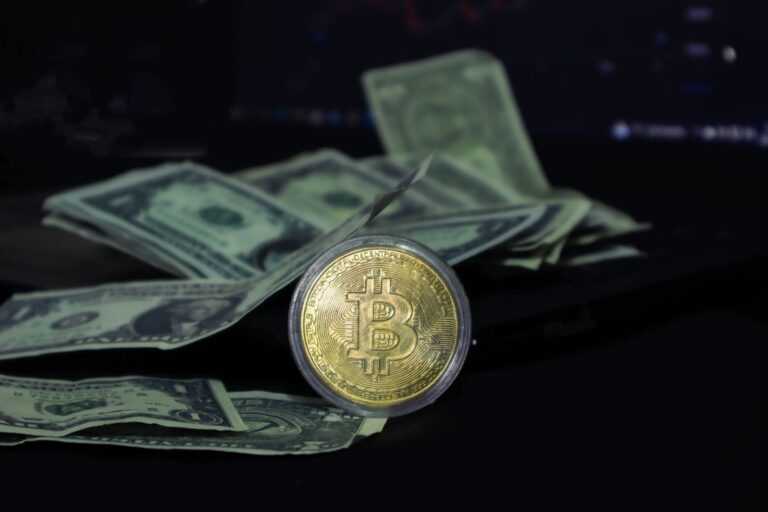
How Cryptos Can Save OFWs Millions

For decades, Overseas Filipino workers or OFWs have shouldered high remittance fees just to send money home. Traditional channels (Banks, Wester Union) often charge 5–8% in transfer fees or FX spreads, eating into the hard earned wages of millions abroad.

Crypto as Alternative for OFWs

In 2026, a new alternative is reshaping the remittance landscape: crypto wallets.

A cross‑border transaction that once took days through traditional banking rails can now settle in minutes. Instead of paying 5–8% in transfer fees or FX spreads a common cost for Society for Worldwide Interbank Financial Telecommunication (SWIFT) based remittances crypto rails offer free transaction fees on DOPAY. For a typical OFW juggling multiple jobs abroad, the ability to send money instantly without waiting in line or losing a chunk of their salary to fees is transformative.

Platforms like Coins.ph are making crypto remittances more accessible. With user-friendly interfaces and integration with local wallets, sending ₱10,000 from Dubai to Manila can be as simple as tapping a screen.

Even mainstream players are watching closely. GCash, already available in 16 overseas markets, could integrate crypto rails to make cross-border transfers seamless. If that happens, the line between e-wallets and crypto wallets may blur entirely.

But what does this mean for families back home?

Sending via Crypto Cut Significant Remittance Fees

Remittances are not just personal transactions; they are macroeconomic lifelines. Cutting transaction fee’s could save OFWs billions collectively. For families back home, that means more money for essentials, tuition, or small business investments.

Crypto remittances also align with the government’s push for financial inclusion. With 70% of Filipinos historically unbanked, digital wallets are often the first step into formal finance. Adding crypto functionality could accelerate this shift, especially for rural households that rely heavily on remittance income.

However, there are two major issues that hold Filipinos back from using the more convenient option: Trust and Literacy.

Education Remains a Hurdle on Crypto Adoption Among OFWs

Many OFWs and families remain cautious. Stories of scams and lost funds fuel skepticism. Without strong consumer education, adoption may stall. As of 2025, 20% of Filipinos are aware of cryptocurrencies, more than tripling from 6% the previous year. But only a further 20% are actually using it.

For OFWs, every peso saved matters. Crypto wallets promise to turn remittances from a costly chore into a quick, affordable lifeline.

The challenge now is making sure families feel safe using them. With the right mix of education, regulation, and innovation, crypto could mark the start of a new chapter in Philippine remittances, one where workers abroad keep more of what they earn, and households at home gain more of what they need.


Share this post:

Latest Articles

Person holding anonymous mask near servers, hinting at cybersecurity and hacking themes.

SEC Conducts Investigation of Data Security Incident 

Trust is one of the most valuable assets in any financial system.  Investors trust regulators to safeguard market integrity. Businesses trust government agencies to protect sensitive corporate information. Citizens trust institutions to secure their personal data.   When questions emerge about whether those data protections remain effective, the issue quickly extends

A well-lit supermarket aisle showcasing a variety of yogurt products in a refrigerated display.

France Links Supermarket Fridge Cyberattack to Iranian Cyber Unit 

French authorities have formally attributed a series of unprecedented cyberattacks on supermarket refrigeration systems to the Islamic Revolutionary Guard Corps (IRGC) of Iran, describing the incident as the first large-scale cyber sabotage operation conducted on French territory.  According to French officials, the attacks affected hundreds of supermarket locations, forcing businesses

Detailed view of assorted coins highlighting different denominations in monochrome.

Self-Print: BSP Wants to Invest in Local Currency Production   

In an era increasingly defined by digital payments, mobile wallets, and cashless transactions, it may seem surprising that the Bangko Sentral ng Pilipinas (BSP) is investing in expanding its capacity to produce physical currency.  But the central bank’s latest move to establish local polymer banknote production reveals an important reality

A modern humanoid robot with digital face and luminescent screen, symbolizing innovation in technology.

PH Digital Economy Eyes $42B Value as Filipinos Continue AI Utilization  

According to the latest e-Conomy SEA 2026 Report by Google, Temasek, and Bain & Company, the Philippine digital economy is projected to reach $42 billion in gross merchandise value (GMV) in 2026, representing a 15 percent increase from $36 billion in 2025.  More significantly, the report projects that the country’s

Grayscale photograph of a handcuffed individual holding a letter board with the word 'FRAUD'.

Gcash, SEC Join Forces to Fight Scams and Digital Fraud 

Financial services are becoming more accessible, convenient, and inclusive.  Millions of Filipinos now use mobile wallets, digital lending platforms, online investment products, and app-based financial services as part of everyday life.  But the same technologies that have expanded financial inclusion have also created new opportunities for fraudsters, scam operators, and

Nighttime street scene with people walking under festive lights on a wet brick pavement.

Businesses Face Rough Roads Ahead: Challenges after Christmas Profits Fade 

The Christmas season remains the most important period of the year for many Philippine businesses.  It is a time when consumer spending accelerates, remittances from overseas Filipinos increase household purchasing power, retailers experience stronger sales, and many industries receive a temporary boost from holiday demand.  However, behind the festive atmosphere,

Download DOPAY.ph Now!

Bringing Your Money Closer to Home.

Whether you’re in the Philippines or working abroad as OFW, DOPAY makes it easier to manage and transfer your funds.

With our low remittance fee, you can enjoy a digital wallet built for convenient and cost-efficient transactions.

DOPAY Download App

Related Articles:

a close up of a one dollar bill

How Global Watchdogs and the Philippines Strengthens Its Fight Against Dirty Money 

The fight against financial crime has shifted toward public-private partnerships (PPPs).
Dopay Remittance

Filipino families pull back on spending while staying optimistic 

Study found that Filipino households are trimming spending as higher living costs squeeze budgets, yet many remain optimistic about their financial futures.