The National Telecommunications Commission (NTC) is intensifying its crackdown on stolen mobile phones, aiming to protect consumers, reduce crime, and clean up the country’s fast‑growing second‑hand device market.
With mobile phones now central to daily life—from communication and digital payments to work and education—the proliferation of stolen devices poses serious risks to public safety and financial integrity.
NTC’s latest proposal includes stricter enforcement against illegal phone traders, tighter rules for second‑hand sellers, and a proposed ₱20‑million minimum capital requirement for businesses engaged in the sale of used devices.
The draft rules portray the government’s recognition that mobile phones are no longer mere gadgets; they are gateways to digital identity, financial access, and personal security.
The crackdown comes amid rising reports of phone theft, SIM swapping, and digital fraud, with criminals exploiting stolen devices to access victims’ e‑wallets, bank accounts, and personal data.
As digital adoption accelerates, the risks associated with stolen phones have grown exponentially. The NTC’s reforms aim to address these risks by strengthening oversight, improving traceability, and ensuring that second‑hand sellers operate responsibly and transparently.
Stopping the Domino Effect
NTC has intensified operations against sellers of stolen phones, conducting raids and issuing warnings to establishments that fail to comply with registration and documentation requirements.
The agency emphasized that stolen phones fuel criminal activity, including identity theft and financial fraud, and that stricter enforcement is necessary to protect consumers.
In a draft memorandum circular presented at a public hearing this September, NTC is considering a ₱20‑million minimum paid‑up capital requirement for businesses selling second‑hand phones.
The proposal aims to professionalize the industry, reduce fly‑by‑night operations, and ensure that sellers have the financial capacity to comply with regulatory obligations. The NTC also plans to require sellers to maintain detailed records of device origins, IMEI numbers, and customer transactions to prevent stolen units from entering the market.
All of these form part of a bigger effort of the government on telecommunications regulation, strengthening consumer protection, and aligning industry practices with global standards.
Stolen Phones Are a Growing National Problem
Mobile phones have become extensions of personal identity. They store passwords, biometrics, financial accounts, personal messages, and sensitive documents.
When a phone is stolen, the risk extends far beyond the loss of hardware. Criminals can access e‑wallets, bank apps, and social media accounts, enabling them to steal money, impersonate victims, or commit fraud.
The rise of digital payments has made stolen phones even more valuable to criminals.
With millions of Filipinos using e‑wallets such as GCash, Maya, and other digital platforms, phone theft has become a gateway to unauthorized transfers and account takeovers. SIM swapping—where criminals use stolen phones to reset passwords and hijack accounts—has also become more common.
The NTC’s crackdown recognizes that stolen phones are not just property crimes; they are digital security threats. Through reduction of the circulation of stolen devices, the government aims to protect consumers from financial loss, identity theft, and digital fraud.
A Staple in the Philippines: Second‑Hand Market
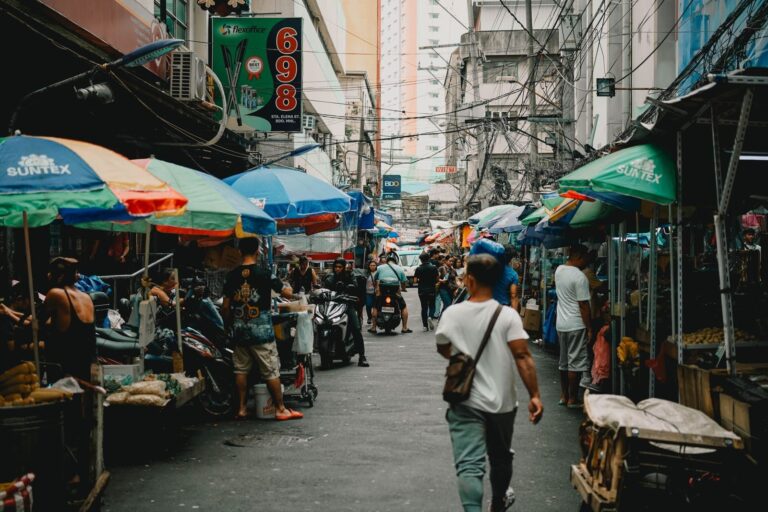
The second‑hand phone market in the Philippines is large and growing.
Many consumers prefer used devices due to affordability, especially as flagship models from Apple and Samsung become increasingly expensive. The market includes legitimate sellers, refurbishers, and online platforms, but it also includes informal traders who operate without documentation or oversight.
The lack of regulation has allowed stolen phones to enter the second‑hand market easily. Sellers often fail to verify device origins, and buyers unknowingly purchase stolen units that may later be blocked or confiscated. This undermines consumer trust and perpetuates criminal activity.
The NTC’s proposed ₱20‑million capital requirement aims to filter out illegitimate sellers and ensure that only serious, well‑capitalized businesses operate in the second‑hand market.
While the requirement may be challenging for small sellers, the NTC argues that stricter rules are necessary to protect consumers and reduce crime.
Strengthening Traceability Through IMEI Registration
One of the NTC’s key strategies is improving traceability through IMEI (International Mobile Equipment Identity) registration.
IMEI numbers uniquely identify mobile devices and can be used to block stolen phones from accessing networks. The NTC has long required telcos to block IMEI numbers reported as stolen, but enforcement has been inconsistent.
The new rules aim to strengthen IMEI verification by requiring second‑hand sellers to record IMEI numbers, verify device origins, and maintain transaction logs. This creates a paper trail that can help authorities track stolen devices and hold sellers accountable.
Improved IMEI enforcement also aligns with global best practices. Countries such as India, Singapore, and the United Kingdom have implemented strict IMEI blocking systems to reduce phone theft and protect consumers.
The Philippines’ move toward stronger IMEI regulation is a step toward international standards.
Digital Fraud and the Link to Stolen Phones
The hike of digital fraud has made stolen phones more dangerous than ever.
Criminals use stolen devices to access victims’ financial accounts, reset passwords, and bypass security measures. Even with two‑factor authentication, criminals can exploit SIM cards, biometrics, or saved passwords to gain access.
The NTC’s crackdown is therefore not just about preventing theft; it is about protecting the digital economy. As more Filipinos rely on digital payments, e‑commerce, and online banking, the security of mobile devices becomes critical to national financial stability.
The crackdown also supports the Bangko Sentral ng Pilipinas’ (BSP) broader digitalization agenda, which emphasizes secure digital transactions and consumer protection. Through reduced circulation of stolen phones, the NTC helps strengthen the integrity of digital financial systems.
A more secure telecommunications ecosystem benefits consumers, businesses, and the government. It reduces crime, protects financial transactions, and strengthens trust in digital services. It also supports the country’s digital transformation goals by ensuring that mobile devices—the primary gateway to digital services—are secure and trustworthy.
For our beloved OFWs, with DOPAY, a BSP-licensed e-wallet, you can be assured that you can send money to the Philippines safely and at low cost.
Simply top-up your DOPAY wallet from anywhere in the world and send that to someone in the Philippines through DOPAY, and they will receive pesos in their DOPAY wallet; all within the app!
With DOPAY’s crypto wallet, you can gain crypto rewards for every trade under our Trade & Earn program. Not just that, with DOPAY’s Refer & Earn program, Filipinos can unlock new doors for earning possibilities with every successful referral.
Download the DOPAY app today!