Social Security System (SSS) modernizes short‑term credit access for Filipino workers through the launch of SSS LoanLite, a fully digital micro‑loan program implemented through participating financial institutions (PFIs).
Formalized under SSS Circular No. 2026‑005, the initiative marks a structural shift in how SSS delivers financial assistance, moving away from employer‑dependent processes and toward real‑time digital validation, instant decisioning, and seamless disbursement.
Powered initially by RCBC DiskarTech, LoanLite aims to provide fast, secure, and affordable micro‑loans to millions of SSS members, especially freelancers, gig workers, voluntary contributors, and younger workers who often struggle to access formal credit.
With loan amounts ranging from ₱1,000 to ₱20,000, repayment terms of 15, 30, 60, or 90 days, and interest rates at 8% per annum, LoanLite is designed to be a safer alternative to informal lending channels that typically charge predatory rates.
As SSS expands partnerships with RCBC, UnionDigital Bank, Land Bank of the Philippines, and UnionBank, LoanLite is poised to reshape the micro‑lending landscape in the Philippines.
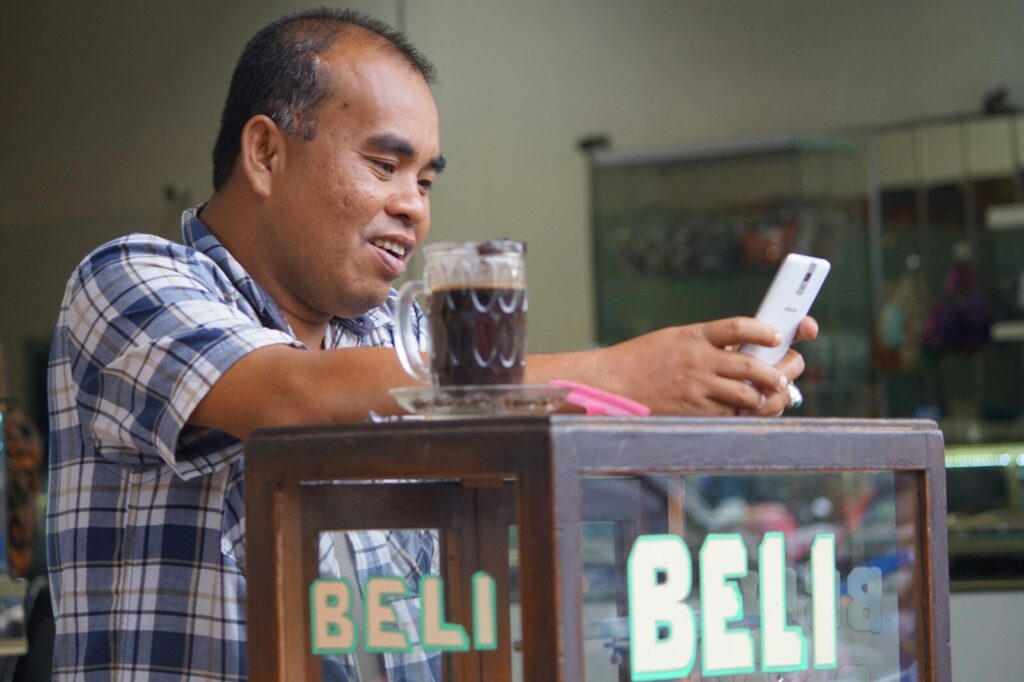
Easy Access to LoanLite through your Phone
SSS Circular No. 2026‑005 establishes the full guidelines for the SSS Micro Loan Program, including eligibility rules, loan terms, repayment mechanisms, and the role of PFIs in processing applications and disbursing funds.
The partnership between SSS and RCBC was formalized on August 11, 2026, enabling LoanLite applications through the RCBC DiskarTech mobile app, with real‑time eligibility validation, instant loan decisioning, and immediate disbursement upon approval.
SSS also allocated ₱2 billion to RCBC DiskarTech as an initial tranche for LoanLite disbursements, part of a larger ₱40‑billion facility intended to deliver emergency cash to members faster. The program removes the traditional requirement for employer certification, making it significantly more accessible to freelancers and gig workers.
Reports confirm that UnionDigital Bank is already accepting LoanLite applications through its mobile app, while RCBC, LandBank, and UnionBank are in various stages of onboarding.
LoanLite is not a repackaged salary loan, it is a distinct product with its own eligibility rules and digital‑first processing model.
Loans Are Now Digital
Historically, SSS’ traditional salary loan programs required employer certification, making access difficult for freelancers, informal workers, and voluntary contributors.
Processing times were slow, documentation requirements were cumbersome, and disbursement often required physical visits to branches or partner banks.
LoanLite eliminates these barriers by shifting the entire process to PFIs. Applications are submitted through digital banking apps, eligibility is validated instantly through SSS‑PFI integration, and funds are disbursed directly to the member’s account.
The alignment is brought upon by SSS’s digital transformation agenda, which includes the MySSS Card powered by RCBC DiskarTech, an initiative that saw an 830% increase in onboarding and ₱2.69 billion in benefits disbursed from January to July 2026.
LoanLite also supports financial inclusion by providing safe, affordable credit to members who might otherwise turn to informal lenders charging exorbitant interest rates.
Eligibility and Terms of the Loan Program
Circular No. 2026‑005 requires at least 12 posted monthly contributions for eligibility, correcting widespread misinformation that members need 36 total contributions or 6 within the past year.
The circular lists eight additional conditions, including having no other active micro‑loan and meeting SSS verification requirements.
LoanLite is available to employed, self‑employed, voluntary, and overseas Filipino worker (OFW) members. Employer certification is not required, making the program accessible to workers outside traditional employment structures.
LoanLite allows members to borrow ₱1,000 to ₱20,000, depending on contribution history and Monthly Salary Credit (MSC). Repayment terms are 15, 30, 60, or 90 days, offering flexibility for short‑term financial needs.
The interest rate is 8% per annum, or approximately 0.67% per month, making LoanLite significantly cheaper than informal lending channels. PFIs may charge a transaction fee of up to ₱200 per loan to sustain operational costs, but SSS does not take a cut of this fee.
LoanLite’s short‑term nature distinguishes it from salary loans, which have longer repayment periods and different eligibility rules. The program is designed for immediate needs such as medical expenses, school fees, household essentials, and small business capital.
Real-Time Digital Processing
LoanLite’s most transformative feature is its fully digital processing model.
Through RCBC DiskarTech and UnionDigital Bank, members can apply anytime, receive instant eligibility validation, and obtain immediate loan decisioning. Approved loans are disbursed instantly to the member’s digital account.
This end‑to‑end digital workflow eliminates branch visits, manual paperwork, and employer involvement. It also reduces processing delays and minimizes the risk of errors or incomplete documentation.
Automatic debit arrangements (ADA) allow PFIs to deduct repayments directly from the member’s nominated account, ensuring timely repayment and reducing delinquency risk. The circular defines ADA as a financial arrangement enabling automatic deduction on a predetermined schedule
LoanLite is particularly beneficial for freelancers, gig workers, and younger members who often lack access to traditional credit channels. These workers typically do not have employer certification, making salary loans inaccessible.
Through a lowered contribution requirement from 24 months to 12 months and removing employer certification, SSS has made short‑term credit significantly more inclusive. SSS President Robert Joseph Montes De Claro noted that LoanLite is designed with younger members in mind, anticipating strong uptake among Gen Z and Gen X workers.
LoanLite also helps members build credit history through PFIs, potentially opening doors to larger loans and financial products in the future.
PFIs play a central role in LoanLite’s implementation. RCBC DiskarTech is the first fully operational partner, offering real‑time validation and instant disbursement. UnionDigital Bank is also live, accepting applications through its mobile app.
LandBank and UnionBank are in the onboarding phase, with SSS confirming that more banks may join the program. Any bank in good standing with the BSP may apply to become a PFI, expanding LoanLite’s reach nationwide
DOPAY, as a BSP‑licensed e‑wallet and crypto wallet, stands ready to promote financial integrity, transparency, and consumer protection.
For our beloved OFWs, with DOPAY, you can be assured that you can send money to the Philippines safely and at low cost.
Simply top-up your DOPAY wallet from anywhere in the world and send that to someone in the Philippines through DOPAY, and they will receive pesos in their DOPAY wallet; all within the app!
With DOPAY’s crypto wallet, you can gain crypto rewards for every trade under our Trade & Earn program. Not just that, with DOPAY’s Refer & Earn program, Filipinos can unlock new doors for earning possibilities with every successful referral.
Download the DOPAY app today!