The Philippines is entering a new phase of digital public service delivery as the Department of Social Welfare and Development (DSWD) expands digital payouts for its UPLIFT Assistance program, with Maya joining GCash and LandBank as official disbursement channels.
Maya has deployed on‑ground teams in Navotas City and Quezon City to help beneficiaries set up and verify accounts ahead of digital disbursements, marking one of the country’s largest pushes to bring unbanked and underbanked households into formal financial systems.
Government ayuda’s delivery is being changed—moving away from long queues, manual verification, and physical cash handling toward digital channels that promise speed, transparency, and financial inclusion.
Eradicating Long Queues with Digital Options
The UPLIFT Assistance program provides ₱2,000 monthly aid to 2.5 million poor, near‑poor, and low‑income households, identified through the 2024 Community‑Based Monitoring System.
The first payout in July was intentionally conducted manually so DSWD staff could collect beneficiaries’ chosen digital account details. From August to December, payouts are fully digital, with Maya joining GCash and LandBank as official channels.
Maya’s participation expands the ecosystem of digital financial services available to beneficiaries, allowing them not only to receive aid but also to access payments, savings, and credit products through Maya Bank.
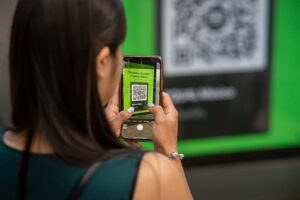
Maya’s role in the payout is both operational and developmental. Operationally, Maya assists beneficiaries with account creation, identity verification, and onboarding—critical steps for ensuring smooth digital disbursement.
Developmentally, Maya positions digital payouts as an entry point into formal banking. Beneficiaries who choose Maya can use their accounts for everyday payments and, subject to requirements, access savings and credit products through Maya Bank.
Maya Bank President Angelo Madrid emphasized that the opportunity “goes beyond digitizing the payout,” noting that digital accounts help beneficiaries save, make payments, and manage money better over time.
UPLIFT Assistance Program
The DSWD ayuda under UPLIFT is designed to provide financial relief to households experiencing economic vulnerability. The ₱2,000 monthly assistance helps families cope with rising living costs, food insecurity, and income instability.
The program targets poor and near‑poor households, many of whom have limited access to formal financial services.
Through shifting of payouts to digital channels, DSWD aims to reduce logistical barriers, improve efficiency, and empower beneficiaries with financial tools they can use beyond the program’s duration.
The UPLIFT Assistance program itself is a major social protection initiative. It provides monthly financial support to households identified through the Community‑Based Monitoring System, ensuring that aid reaches those most in need.
The program’s shift to digital payouts is part of a broader effort to modernize government assistance delivery.
The manual first payout in July served as a data‑gathering step, allowing DSWD to collect beneficiaries’ digital account details for subsequent payouts. This hybrid approach ensures accuracy and reduces the risk of misdirected funds.
DSWD-Maya Partnership
The DSWD–Maya partnership was brought about by the government’s push for digital transformation and financial inclusion.
The Bangko Sentral ng Pilipinas (BSP) has repeatedly emphasized that financial inclusion is not just about access to accounts but about meaningful use of financial services.
Digital payouts allow beneficiaries to receive aid directly into accounts they can continue using for savings, payments, and credit. The partnership also reflects the government’s desire to modernize social protection systems, reduce leakages, and improve transparency in cash transfers.
Maya’s involvement expands the options available to beneficiaries and supports the government’s goal of integrating more Filipinos into the formal financial system.
Are Digital Ayudas New?
Digital payouts are being adopted because traditional ayuda distribution in the Philippines has long been associated with long queues, crowded venues, and logistical challenges.
Manual payouts require beneficiaries to travel to designated locations, often waiting hours under harsh weather conditions. Physical cash handling also poses risks such as theft, misallocation, and human error.
Digital payouts eliminate these issues by sending funds directly to beneficiaries’ accounts, allowing them to withdraw or spend money at their convenience. Digital channels also reduce administrative burdens for government agencies and improve auditability.
This is not the first time the Philippine government has used digital channels for ayuda distribution. During the COVID‑19 pandemic, several LGUs partnered with GCash and PayMaya (now Maya) to distribute emergency subsidies.
The results were generally positive: faster disbursement, reduced crowding, and improved transparency. Digital payouts also helped accelerate the adoption of e‑wallets among Filipinos, contributing to the rapid growth of digital finance in the country.
The UPLIFT program builds on these earlier efforts but at a much larger scale, covering 2.5 million households nationwide.
Can Philippines Go Full-Digital?
The Philippines is indeed moving toward a digital‑first economy.
The BSP’s Digital Payments Transformation Roadmap aims for 50% of retail payments to be digital and 70% of Filipino adults to have transaction accounts. Digital ayuda programs accelerate this shift by onboarding millions of new users into digital financial systems.
The rise of e‑wallets, QR Ph, digital banks, and online government services further supports the transition. Maya’s involvement in UPLIFT demonstrates how fintechs can play a central role in national digitalization efforts.
However, several challenges remain including digital literacy, as digital literacy varies widely across regions, and many beneficiaries may struggle with account setup, verification, or app navigation.
Connectivity issues persist in rural areas, limiting access to digital services. Fraud and scams targeting digital users remain a concern, requiring strong cybersecurity measures and user education.
Some beneficiaries may prefer cash due to familiarity or lack of trust in digital systems. Government agencies must also ensure that digital payouts are inclusive, secure, and accessible to all eligible households.
Digital financial institutions play a crucial role in ensuring the availability and reliability of digital services. They must provide secure platforms, robust customer support, and accessible onboarding processes.
Fintechs like Maya and DOPAY must ensure that digital accounts are easy to use, safe from fraud, and capable of supporting everyday financial needs. They also play a role in educating users, promoting financial literacy, and offering products that help beneficiaries manage money effectively.
As digital payouts become more common, the responsibility of financial institutions to maintain trust and reliability becomes even more critical.
For our beloved OFWs, with DOPAY, you can be assured that you can send money to the Philippines safely and at low cost.
Simply top-up your DOPAY wallet from anywhere in the world and send that to someone in the Philippines through DOPAY, and they will receive pesos in their DOPAY wallet; all within the app!
With DOPAY’s crypto wallet, you can gain crypto rewards for every trade under our Trade & Earn program. Not just that, with DOPAY’s Refer & Earn program, Filipinos can unlock new doors for earning possibilities with every successful referral.
Download the DOPAY app today!