Why you should know this
New wallet technology can make recovery and signing easier, but convenience often changes who can authorize transactions and which parties become part of the trust model.
Academy 14 is where “I know the term” stops being enough. A useful technology explanation should let you predict what happens when one component fails, which party still has power, and which part of the user outcome sits outside the technology. That is the standard we will use here.
A wallet is a signing and access system
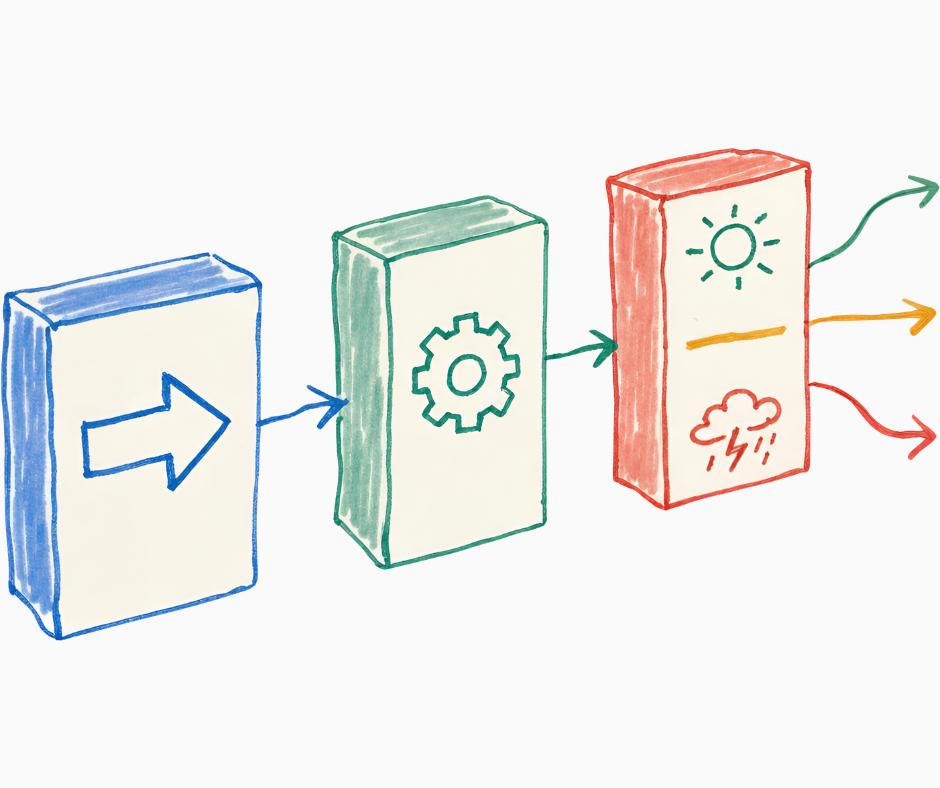
A crypto wallet does not literally contain coins. It manages the credentials and logic needed to authorize changes on a blockchain. Traditional wallets may rely on one seed phrase or hardware key. Newer designs can distribute signing across devices or parties, use smart-account rules, or combine cryptography with passkeys and recovery services.
That changes the security question from “where is my seed?” to “what combination of factors can authorize my assets, and who can change that policy?”
MPC and multisignature solve different coordination problems

Multisignature typically requires multiple distinct on-chain signatures according to protocol rules. Multi-party computation can distribute the creation of one signature across several key shares. Both can remove a single point of compromise, but their implementation, recovery and audit models differ.
Institutional custody may add HSMs, policies, approvals, transaction screening and operational segregation. The cryptography is only one layer of the custody system.
Smart accounts can make policy programmable

Account-abstraction or smart-account designs can support spending limits, session keys, social recovery, batched transactions and different authentication methods. That can make wallets safer for ordinary users—but only if the recovery and upgrade logic is itself secure.
A recovery guardian that can help restore access can also become an attack target. Convenience features should always be translated into authorization powers.
Custody choice is a control-allocation decision
Self-custody gives the user more direct control and more direct responsibility. Third-party custody can offer support, recovery and institutional controls while adding counterparty and legal-entity risk.
There is no universal answer. The right design depends on transaction value, user capability, governance, required support and the consequence of either unauthorized access or permanent lockout.
Worked example — follow the mechanism, not the slogan
A fictional family wallet controls PHP 500,000 equivalent of assets. Design A uses one hardware device and seed backup. Design B uses three signing shares across the user, a second device and a recovery service. Compare compromise, device loss, coercion, inheritance and service failure. The easier recovery model also creates more parties that need careful controls.
What this lesson does not prove
Understanding a mechanism does not establish that a particular product is safe, legal, available, efficient or suitable. A protocol can work exactly as designed while a custodian, bridge, issuer, oracle, wallet, bank, service provider or user process fails around it. Current implementations can also change through upgrades and governance.
That is why technical literacy should increase caution, not replace it. The better you understand the system, the more precisely you can ask where evidence is still missing.
Philippine and Asian lens

Wallet and custody choices intersect with local support, inheritance, corporate governance and provider regulation. A recovery feature that works technically should also fit the user’s actual legal and operational environment.
Practice — no money needed

Take the worked example above or a historical system you already know. Draw a simple flow using boxes and arrows. For each box, write:
- What state or decision changes here?
- Who or what authorizes the change?
- What data does this step trust?
- What can fail even if the underlying protocol remains healthy?
- What evidence would tell you the step actually worked?
Then write one sentence beginning: “This technology solves , but it still depends on .”
If you cannot fill the second blank, you probably have a slogan rather than a system model.
How this connects to market mastery
Market mastery is not predicting which technology will win. It is being able to separate architecture from marketing, trace dependencies, compare alternatives and keep confidence proportional to evidence. That skill becomes essential in Academy 15, where the same technologies meet consumer rights, regulation and accountability.