Why you should know this
A smart contract can execute perfectly and still make the wrong decision if the external data feeding it is stale, manipulated, incomplete or misunderstood.
Academy 14 is where “I know the term” stops being enough. A useful technology explanation should let you predict what happens when one component fails, which party still has power, and which part of the user outcome sits outside the technology. That is the standard we will use here.
Blockchains cannot natively observe most external facts

A blockchain can verify its own state, but it does not automatically know the USD/PHP exchange rate, whether a flight landed, who won an election, or what a bond is worth. An oracle system brings external data into a form smart contracts can consume.
That means every oracle introduces a data provenance problem: where did the value originate, how was it transformed, and how does the contract decide it is reliable enough to act on?
Aggregation reduces some risks but creates methodology choices
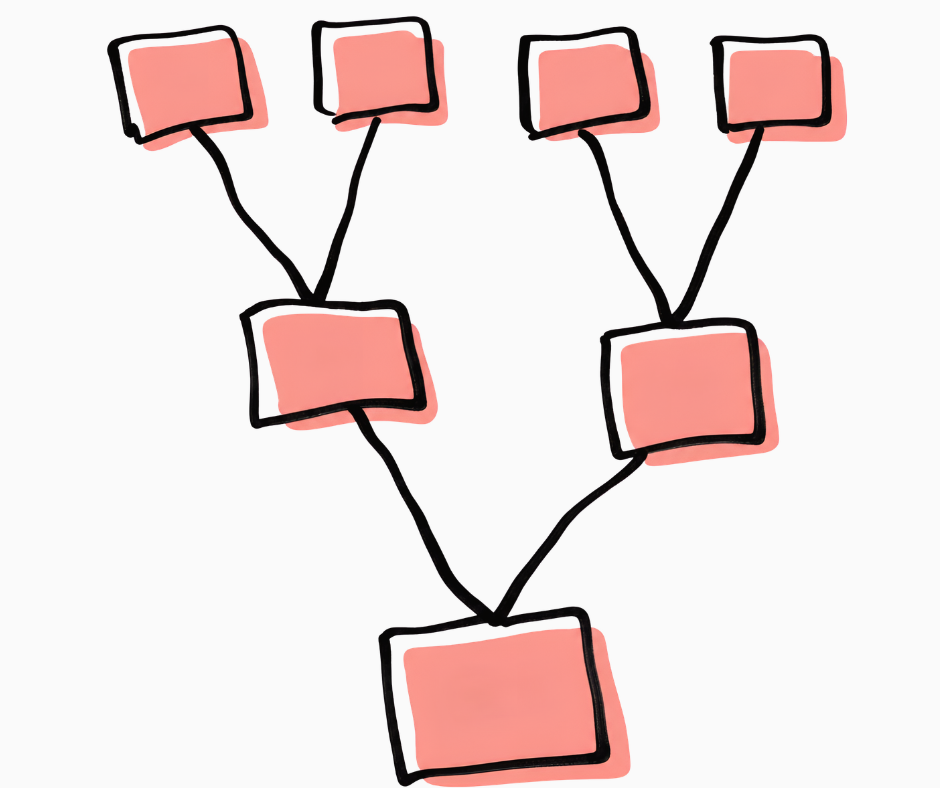
An oracle can combine multiple exchanges, data vendors or reporters. Aggregation can reduce dependence on one source, but the methodology matters: which venues count, how outliers are handled, how quickly updates occur and what happens during market disruption.
A median of bad or stale inputs is still bad data. Good design considers both source diversity and source quality.
Latency can be as important as correctness
Financial contracts often depend on timely data. A price that was correct thirty seconds ago may be dangerous during a fast liquidation event. Oracles therefore balance update frequency, transaction cost, manipulation resistance and network congestion.
Users should know the difference between a contract’s displayed value and the exact oracle update that drives its rules.
Oracle governance is part of protocol governance
Someone chooses data sources, update thresholds, emergency procedures and software. Those choices can be governed by a decentralized process or a smaller administrative group. Either way, they represent control.
A risk review should include who can change the feed, pause it, replace sources or recover from a bad update.
Worked example — follow the mechanism, not the slogan
A fictional lending protocol liquidates collateral when its oracle price falls below a threshold. The market price on one exchange briefly crashes because of thin liquidity, while other venues remain stable. Whether liquidation occurs depends on the oracle’s source selection and aggregation—not just “the market price.”
What this lesson does not prove
Understanding a mechanism does not establish that a particular product is safe, legal, available, efficient or suitable. A protocol can work exactly as designed while a custodian, bridge, issuer, oracle, wallet, bank, service provider or user process fails around it. Current implementations can also change through upgrades and governance.
That is why technical literacy should increase caution, not replace it. The better you understand the system, the more precisely you can ask where evidence is still missing.
Philippine and Asian lens
Oracle inputs can include regional FX, local asset prices or operating-hour-sensitive benchmarks. A Philippine use case relying on PHP or Asian market data should check source hours, methodology and fallback behavior.
Practice — no money needed

Take the worked example above or a historical system you already know. Draw a simple flow using boxes and arrows. For each box, write:
- What state or decision changes here?
- Who or what authorizes the change?
- What data does this step trust?
- What can fail even if the underlying protocol remains healthy?
- What evidence would tell you the step actually worked?
Then write one sentence beginning: “This technology solves , but it still depends on .”
If you cannot fill the second blank, you probably have a slogan rather than a system model.
How this connects to market mastery
Market mastery is not predicting which technology will win. It is being able to separate architecture from marketing, trace dependencies, compare alternatives and keep confidence proportional to evidence. That skill becomes essential in Academy 15, where the same technologies meet consumer rights, regulation and accountability.