Why you should know this
Moving an asset across chains often means replacing one trust model with a bridge trust model; the token on the destination chain may not be the original asset at all.
Academy 14 is where “I know the term” stops being enough. A useful technology explanation should let you predict what happens when one component fails, which party still has power, and which part of the user outcome sits outside the technology. That is the standard we will use here.
Assets usually do not literally jump between chains
When people say an asset “moved” from one blockchain to another, the actual mechanism often locks or burns value on the source side and creates or releases a representation on the destination side. Another design may use liquidity providers rather than wrapped assets. The user experience can look seamless even though the accounting model changed.
This matters because the destination token may depend on custody, verification or messaging components that the original native asset did not.
A bridge has to verify a statement about another system
The core interoperability problem is verification: how does Chain B know that something valid happened on Chain A? Bridges can use multisignature committees, light-client verification, validator sets, optimistic proofs, zero-knowledge proofs or other mechanisms.
Each model has a security budget and failure mode. A bridge secured by a small committee can fail even when both underlying chains remain perfectly healthy. A more trust-minimized design can still fail through code or configuration.
Liquidity bridges move a different kind of risk

Some systems avoid wrapped representations by using pools or market makers on both sides. The user receives an asset from destination liquidity while the system later rebalances. That reduces one custody model but introduces liquidity, pricing and rebalancing risk.
Again, interoperability does not remove trust; it rearranges the dependencies.
Recovery is harder when several systems disagree
Cross-chain incidents can involve the source chain, destination chain, bridge contract, relayer, validator set, custodian or exchange. Determining where the authoritative record lives becomes part of incident response.
A user should therefore know which asset they hold after bridging and who, if anyone, has the ability to restore backing or pause transfers.
Worked example — follow the mechanism, not the slogan
A fictional user locks 1 native token on Chain A and receives 1 wrapped token on Chain B. Chain A later continues normally, but the bridge validator keys are compromised. The wrapped token may lose confidence even though the original locked token still exists. That scenario shows why bridge risk is distinct from chain risk.
What this lesson does not prove
Understanding a mechanism does not establish that a particular product is safe, legal, available, efficient or suitable. A protocol can work exactly as designed while a custodian, bridge, issuer, oracle, wallet, bank, service provider or user process fails around it. Current implementations can also change through upgrades and governance.
That is why technical literacy should increase caution, not replace it. The better you understand the system, the more precisely you can ask where evidence is still missing.
Philippine and Asian lens
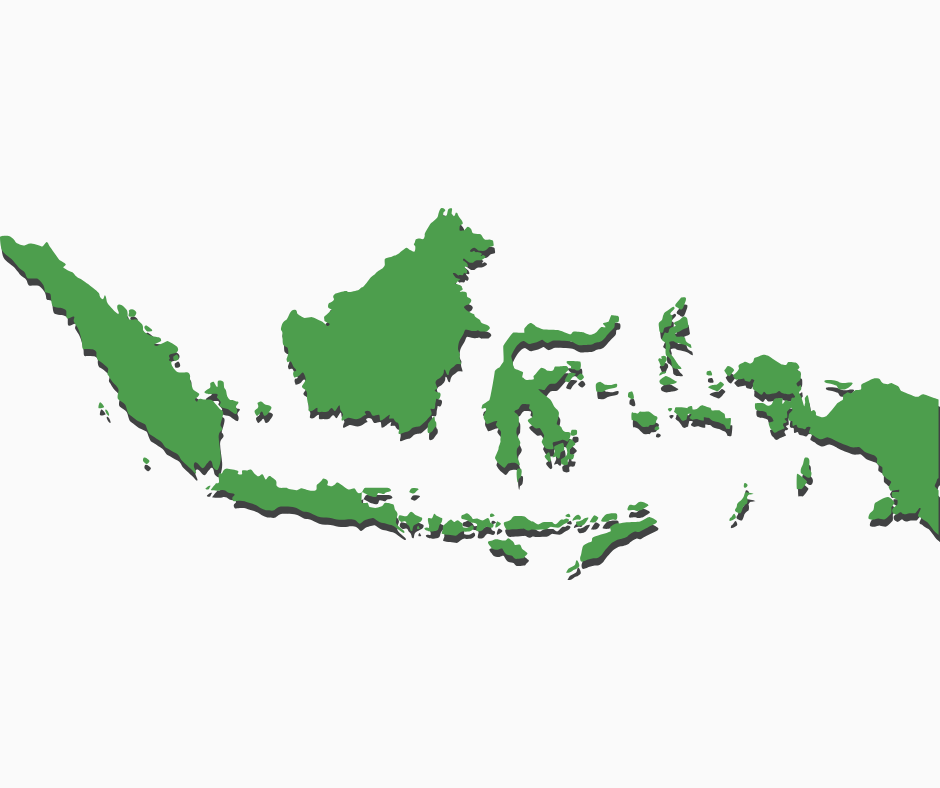
Cross-chain routes are especially relevant to users moving between global crypto markets and local cash-out services. Network support must match at both ends; a bridge cannot make a destination asset usable by a Philippine provider that does not support that chain.
Practice — no money needed

Take the worked example above or a historical system you already know. Draw a simple flow using boxes and arrows. For each box, write:
- What state or decision changes here?
- Who or what authorizes the change?
- What data does this step trust?
- What can fail even if the underlying protocol remains healthy?
- What evidence would tell you the step actually worked?
Then write one sentence beginning: “This technology solves , but it still depends on .”
If you cannot fill the second blank, you probably have a slogan rather than a system model.
How this connects to market mastery
Market mastery is not predicting which technology will win. It is being able to separate architecture from marketing, trace dependencies, compare alternatives and keep confidence proportional to evidence. That skill becomes essential in Academy 15, where the same technologies meet consumer rights, regulation and accountability.