Why you should know this
ASEAN is a regional grouping, not one crypto jurisdiction. A service that is available or regulated in one member country may be restricted, structured differently or irrelevant in another. Treating “ASEAN crypto rules” as a single rulebook can create both legal and operational mistakes.
Academy 13 is where global crypto knowledge meets the practical details that decide whether a Philippine or Asian user can actually use that knowledge. The goal is not to memorize country trivia. It is to learn how to localize a decision without turning an old rule, a foreign licence, a screen price or a regional headline into stronger evidence than it really is.
ASEAN is a region, not one rulebook
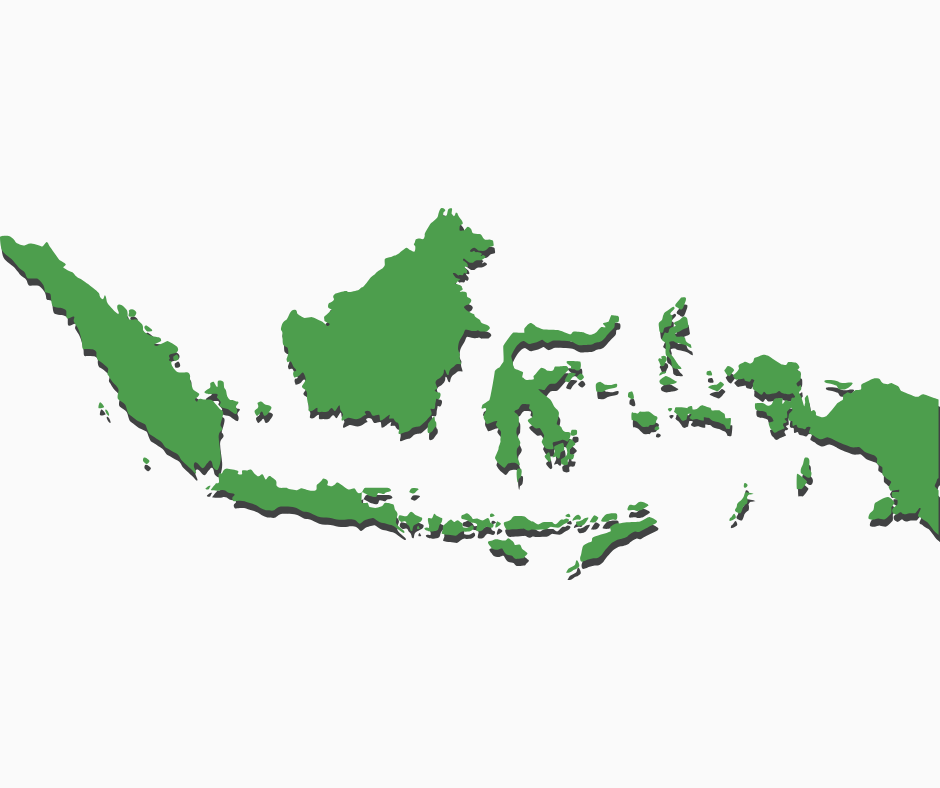
A useful country comparison does not begin with “crypto friendly” or “crypto banned.” It begins with the activity: exchange, custody, payment, remittance, stablecoin issuance, marketing or investment product. Then it asks which authority regulates that activity, which entities may provide it, who may use it and what current restrictions apply.
Compare the same activity across countries
Use a country matrix with the same columns for each market: regulator/source, activity, user type, legal entity/licence, local fiat rail, tax/record issue, consumer recourse and as-of date. The consistent columns make differences visible without pretending that every jurisdiction uses the same legal vocabulary.
Worked example — make the local outcome visible
A platform may legally serve customers under one ASEAN jurisdiction while its app is visible in another country where the same service is not authorized. App availability, website access and a familiar brand are therefore poor substitutes for country-specific verification. A Philippine user should anchor the conclusion in Philippine rules even when the service is headquartered elsewhere.
A useful habit is to write the starting state and the ending state in the same line. When money moves, every intermediate currency, asset, provider, fee, FX conversion and access condition belongs in the analysis. When the lesson is about regulation or market access rather than a transfer, use the same discipline: start with the specific user and activity, then end with the permission, restriction or operational consequence that can actually be supported.
Do not use app visibility as legal evidence
Regional rules can change at different speeds. Some authorities may publish English guidance while others rely on local-language laws or notices. If the evidence cannot establish current applicability, the correct conclusion is “needs verification,” not a broad regional label.
This is also why a current authoritative source matters more in Academy 13 than a confident generalization. Country, service and rule claims should carry an as-of date. When the evidence cannot establish current applicability, the correct conclusion is needs verification, not a softened guess.
Practice — no money needed

Pick three fictional ASEAN countries and one activity, such as retail crypto exchange. Fill the same eight-column matrix for all three. Do not write “allowed” or “not allowed” until the authority, activity, user and effective date are identified. Then explain why a service available in Country A cannot automatically be recommended or assumed available in Countries B and C.
When you finish, add two final lines:
- What is the strongest conclusion the evidence supports?
- What would change the conclusion?
That second line prevents a local-market observation from becoming a permanent belief.
How this connects to market mastery
Regional knowledge becomes useful when it improves execution, access, risk control or interpretation. Market mastery does not mean knowing every Asian rule by memory. It means knowing how to identify the relevant jurisdiction, source, currency, provider, user and decision boundary when the context changes.