Why you should know this
A Japan–Philippines corridor is more than JPY converted into a token and then into PHP. It crosses two currencies, at least two legal environments and several possible service providers. If one leg is misunderstood, a route that looks cheap on paper can become slow, unavailable or expensive in practice.
Academy 13 is where global crypto knowledge meets the practical details that decide whether a Philippine or Asian user can actually use that knowledge. The goal is not to memorize country trivia. It is to learn how to localize a decision without turning an old rule, a foreign licence, a screen price or a regional headline into stronger evidence than it really is.
Map the corridor from JPY all the way to usable PHP
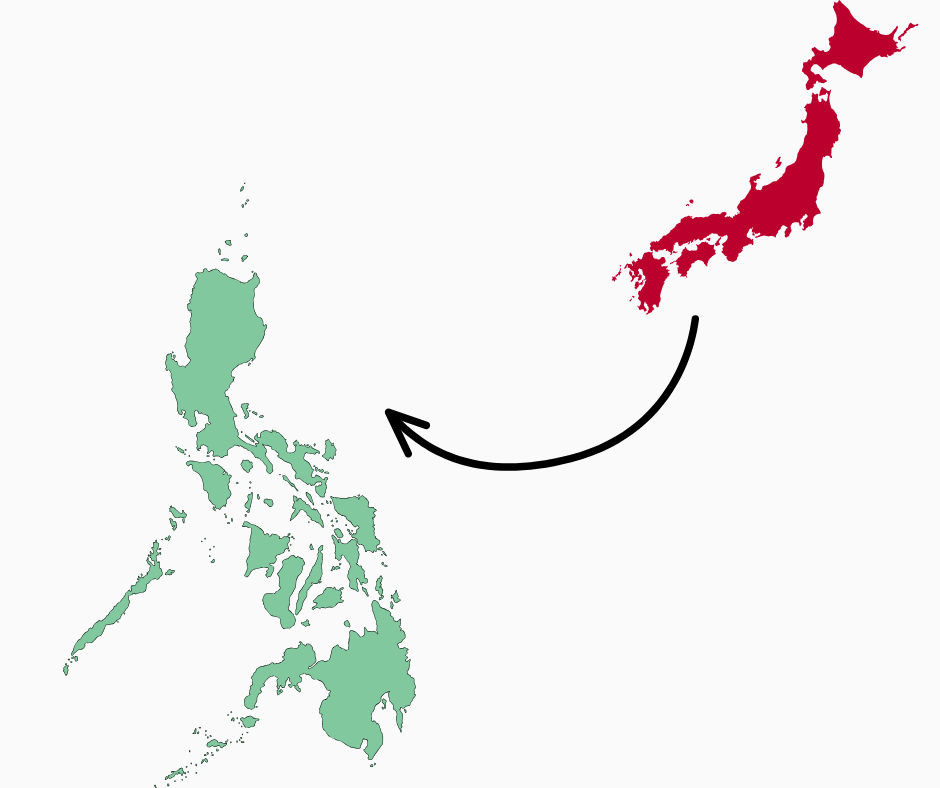
Map the corridor from the sender’s point of view all the way to the recipient’s usable peso balance. A simplified route may be JPY → Japanese funding or crypto service → digital asset/stablecoin → transfer → Philippine provider → PHP → bank/e-wallet. Another route may remain fiat throughout. The relevant comparison is the entire corridor, not one attractive conversion quote in the middle.
Both jurisdictions have to work at the same time
Record the accountable entity and user eligibility on both sides, JPY funding method, asset/network, transfer restrictions, travel-rule or customer-information requirements where applicable, Philippine receiving support, PHP conversion, final withdrawal rail and total time. Japan and the Philippines can apply different requirements to the same transfer, so a route must work from both ends.
Worked example — make the local outcome visible
Use a fictional starting amount of JPY 100,000 and a fictional reference rate of JPY 1 = ₱0.40. The simple reference value is ₱40,000. Now subtract a 0.5% JPY-side conversion cost, a JPY 300 equivalent transfer/network cost and a 0.7% PHP-side conversion cost. The final value is already below the reference before any adverse price movement or cash-out fee. This is why corridor comparison should be done in the recipient’s final currency.
A useful habit is to write the starting state and the ending state in the same line. When money moves, every intermediate currency, asset, provider, fee, FX conversion and access condition belongs in the analysis. When the lesson is about regulation or market access rather than a transfer, use the same discipline: start with the specific user and activity, then end with the permission, restriction or operational consequence that can actually be supported.
A middle-leg quote can hide the real cost
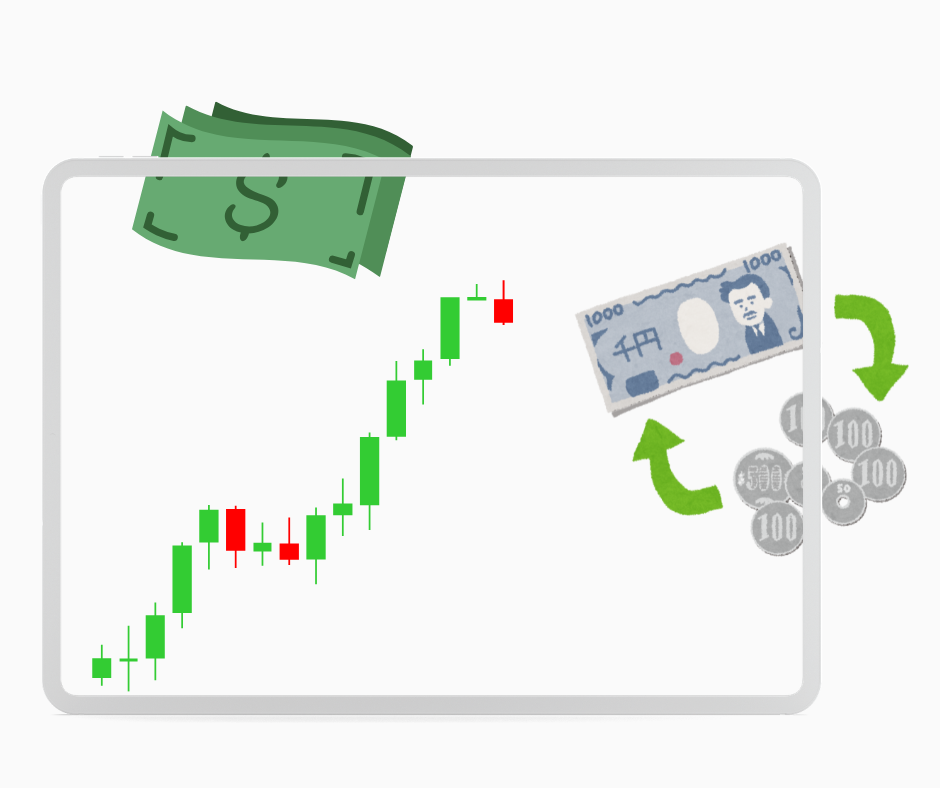
Service access can depend on residency, account type, provider registration, supported counterparties, network and current transfer rules. Do not assume that a service licensed in Japan is automatically available to a Philippine resident, or that a Philippine service can receive every asset or network used in Japan.
This is also why a current authoritative source matters more in Academy 13 than a confident generalization. Country, service and rule claims should carry an as-of date. When the evidence cannot establish current applicability, the correct conclusion is needs verification, not a softened guess.
Practice — no money needed

Draw two end-to-end Japan–Philippines routes for the same fictional JPY 100,000 payment. Label every entity, currency, asset and status change. Calculate final PHP under normal assumptions, then change one condition: a wider spread, a transfer delay, an unsupported network or a compliance hold. The winning route is the one that still meets the recipient’s goal after the stress case, not the one with the prettiest headline fee.
When you finish, add two final lines:
- What is the strongest conclusion the evidence supports?
- What would change the conclusion?
That second line prevents a local-market observation from becoming a permanent belief.
How this connects to market mastery
Regional knowledge becomes useful when it improves execution, access, risk control or interpretation. Market mastery does not mean knowing every Asian rule by memory. It means knowing how to identify the relevant jurisdiction, source, currency, provider, user and decision boundary when the context changes.